





By Ken Ali
Trinidad and Tobago has achieved more in crime-fighting through a State of Emergency than Caricom’s longstanding Implementing Agency for Crime and Security (IMPACS).
The previous SoE, which ended in January, and the United States’ military attacks on drug trafficking have been largely credited for a 42 per cent decline in domestic murders last year.
Law enforcement used provisions of the SoE to round up gangsters, while the maritime crackdown directly affected the transshipment of cocaine.
In contrast, IMPACS, set up in 2006 to implement security strategies, has had minimal effect on regional drug and gun running, and the accompanying high murder rates.
Caricom islands that were previously peaceful tourism getaways have been recording historic numbers of ghastly homicides in recent years.

Former PM Dr Keith Rowley
St. Vincent, St. Kitts-Nevis, and St. Lucia are among regional islands where the respective crime indexes have been worsened by the lucrative illicit drug and arms trade.
IMPACS has had few successes, one being the November 2025 bust of 772 kilogrammes of cocaine in the Virgin Islands.
“Effective real-time intelligence exchange” was credited for the interception.
But that is a token in a trafficking trade of literally trillions of dollars’ worth of drugs from the Venezuelan coastline, through T&T and other Caricom countries, to US and European markets.
The Caricom agency was meant to build capacity as part of a strategic approach based on partnerships with relevant agencies, and intelligence sharing and training.
Coordination was meant to enhance regional security.
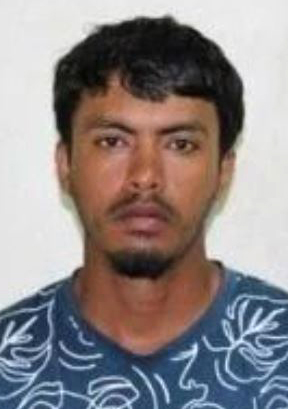
Trinidadian Cesar Diaz Abrahim, 30
Leaders banked on the organisation making serious dents against organised crime, including money laundering.
But, regionally, an estimated 70 per cent of offences are committed with illegal firearms.
IMPACS was an idle bystander as brutal Venezuelan gangsters rode roughshod through the region, pirogues with sealed cocaine sailed into sheltered ports, and go-fast yachts spirited the cargo to profitable markets.
The dark trade was carried out “with impunity,” according to a report of the US State Department.
As Prime Minister, Dr. Keith Rowley touted the agency as “a correct and sustainable way” to confront crime.
“There are no safe harbours in any of our Caribbean territories,” Rowley bragged, as if making a cruel joke.
He heralded information sharing, ballistics tracking, police cooperation, and other measures “to investigate, apprehend and prosecute criminal actors with greater efficiency.”
But Rowley’s rhetoric did not match the dreadful reality of a region overrun by a cartel of well-structured drug kingpins.
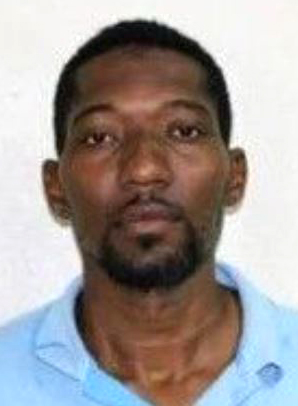
Trinidadian Ronald James, 49
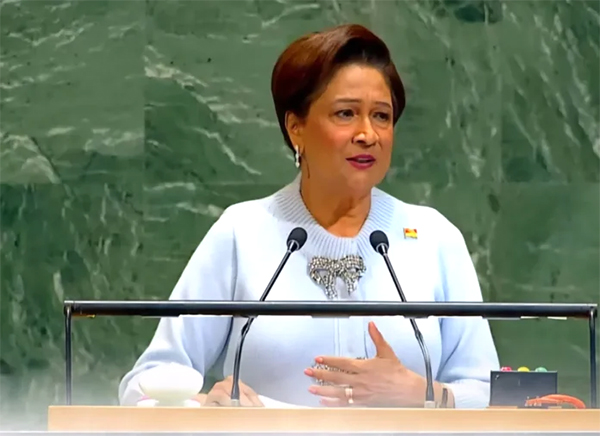
In that context, Prime Minister Kamla Persad-Bissessar slammed Caricom as “an unreliable partner,” and denounced its reckless portrayal of “a region of peace.”
PM Persad-Bissessar stressed: “I cannot depend on my military, my protective services, and certainly from you in the Caribbean.”
The harsh facts confirm that IMPACS is essentially another failed Caricom institution, one which received routine lip service from a succession of leaders even as the crime scourge worsened.
And still, several regional bosses are hawking IMPACS as the agency to lift the territory out of the drug and guns epidemic.
It is a startling reality check on their hopelessness in confronting the security plague.
PM Persad-Bissessar summed up that the regional bloc is “dysfunctional.”
