





By Dr Jack Austin Warner
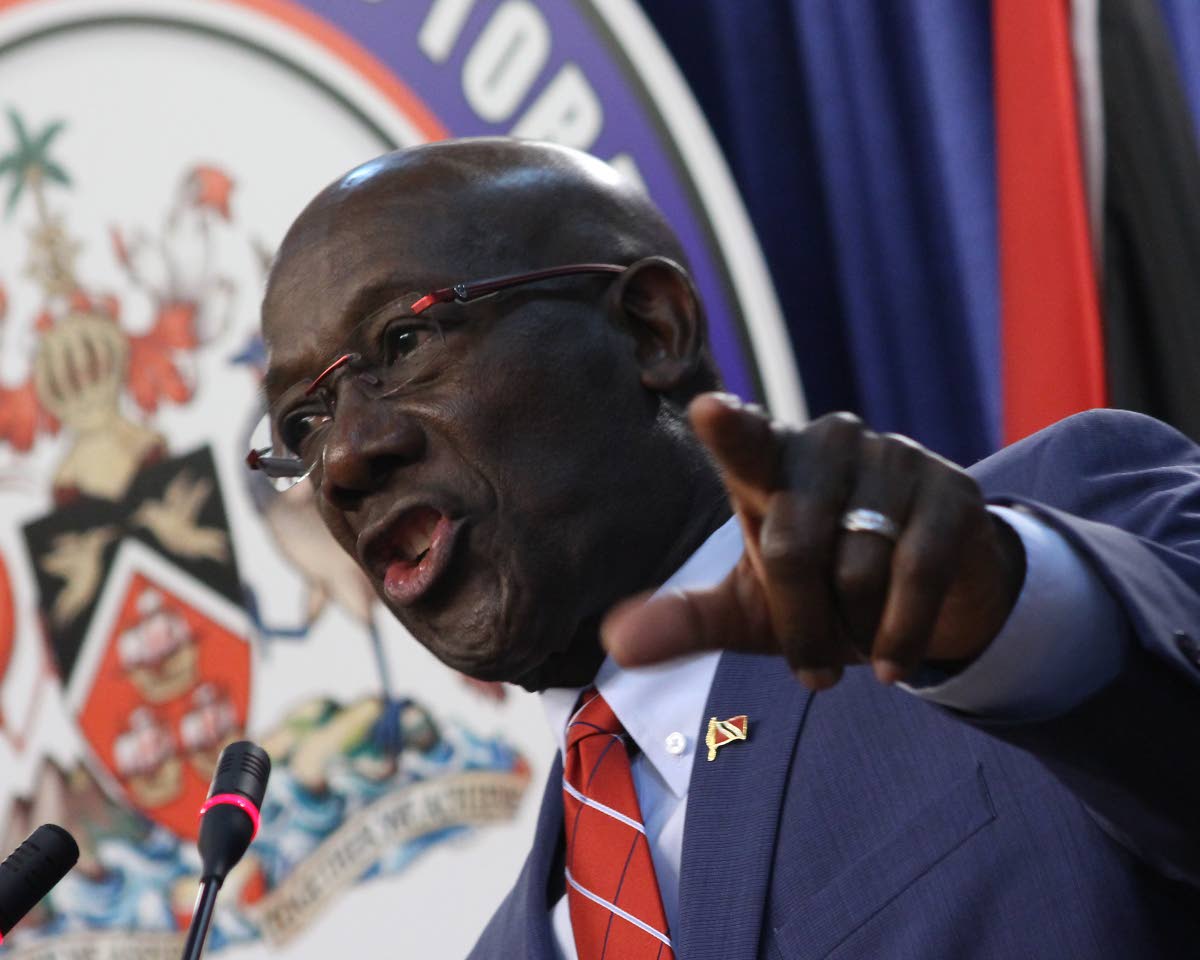
Of one thing Dr Keith Rowley must now be certain and that is that his press conference did not restore his relevance; it reinforced the decision the country made on April 28, 2025, and it reminded the nation, in stark and unmistakable terms, why it chose political change.
There was an expectation, perhaps even a hope, that a former prime minister, now fully removed from political office, influence, and even internal party relevance, would have approached the moment at 2pm yesterday differently.
Freed from the burdens of governance, this could have been an opportunity for reflection, for statesmanship, for a measured contribution that elevated the national conversation rather than dragged it backwards.
Instead, what unfolded was something far more familiar and far less constructive: a return to the very tone, posture, and instincts that defined his tenure, only now delivered without the weight or responsibility of office. In other words, it was empty.
Dr Rowley, it seems, has not yet come to terms with a simple reality: his time has passed. He no longer governs, he no longer directs policy, and he no longer commands a political base that shapes outcomes.
And yet, the impulse to step forward, to insert himself into the national discourse, to seek the spotlight, remains. However, stripped of authority, that impulse no longer reads as leadership. It reads as insistence, an insistence on relevance in a political environment that has already moved on.
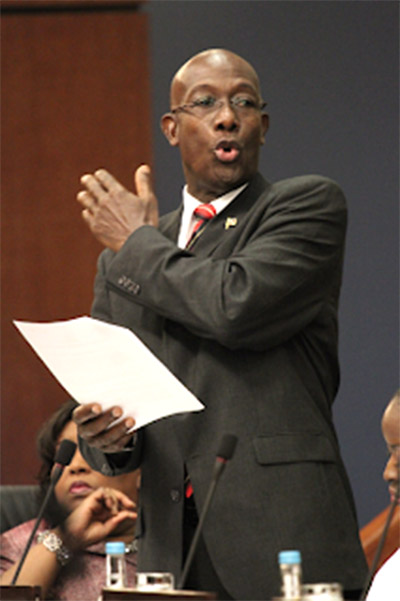
What made last Tuesday’s press conference particularly striking was not just its content but also its tone. One expected a degree of restraint, a level of decorum befitting a former head of government.
In fact, one vainly expected a man like PJ Patterson former Prime Minister of Jamaica from 1992 – 2006 and who retired gracefully after fourteen continuous in politics and whom, at 91, has remained an elder and respected statesman in Jamaican politics.
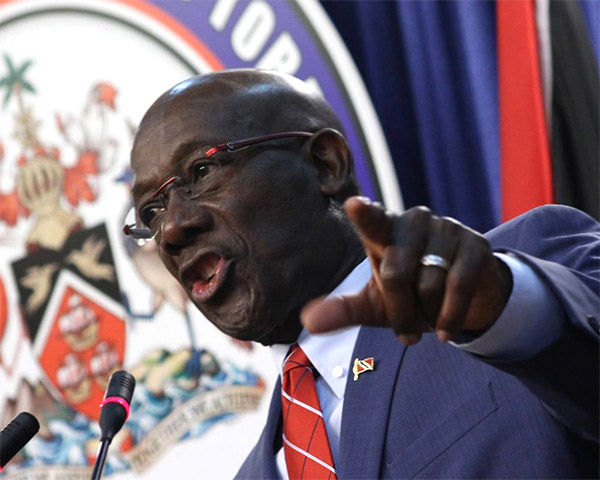
But not so for 76 years old Dr Keith Christopher Rowley, a retired and despised former Prime Minister, who served this country for nine and one-half brutal and boisterous years! Instead, what emerged from Rowley’s press conference was combative and, at times, unbecoming.
In chastising the sitting Prime Minister and referring to her in derogatory terms, Dr Rowley did not distinguish himself; he diminished the very standards he appeared to demand.
In calling her a “Jammette,” he did not elevate the discourse; he descended into the same base conduct he sought to criticise, exposing a contradiction that did not go unnoticed.
A reminder
That moment was more than a lapse. It was a reminder. A reminder of the style of politics of which the country has grown weary: one that is personal, defensive, dismissive of criticism, and too often detached from the lived frustrations of ordinary citizens. It is precisely that fatigue that culminated on April, 28 2025, when voters chose to turn the page.
And yet, in speaking as he did, Dr Rowley seemed to reopen that chapter without acknowledging his place in it. The issues he addressed—crime, governance, national direction—are not new. They are extensions of challenges that were born and existed, and in many respects, deepened during his tenure.
To speak on them now as though from a distance, without reckoning with that continuity, creates an unavoidable dissonance. It positions him as an observer of problems he once authored and had both the authority and responsibility to address and did not.
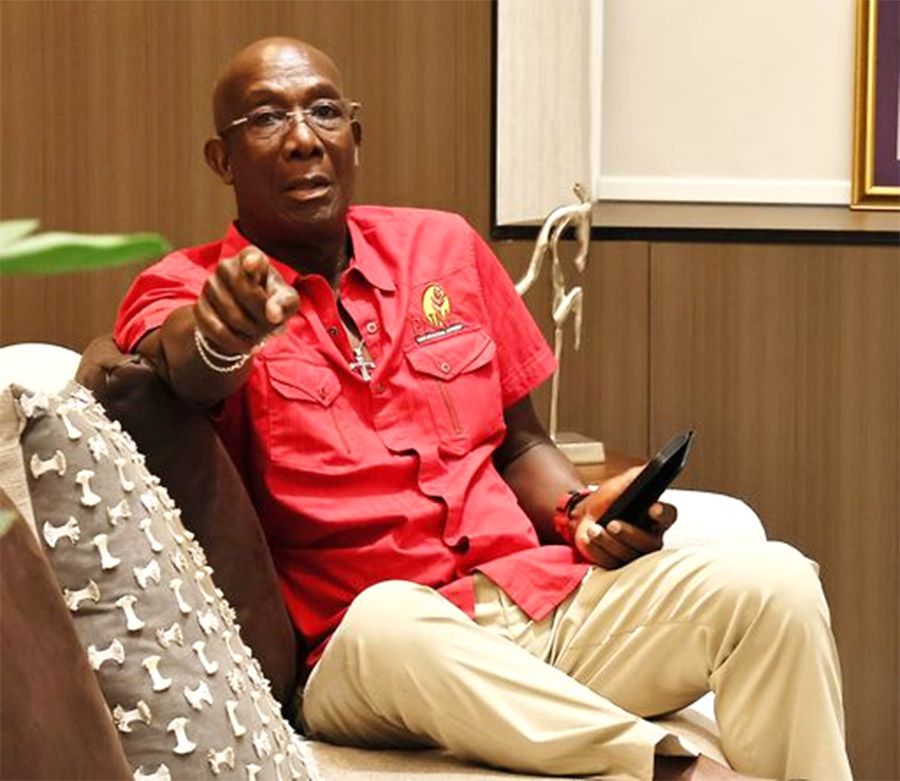
That is not a position of strength. It is a position of distance; distance from consequence, from accountability, and from the urgency that defines leadership in real time.
There is, of course, a role for former leaders in any democracy. It is not to compete with the present, nor to relitigate the past through the lens of defence. It is to offer perspective, to guide with restraint, and to demonstrate through conduct the very standards they once expected of others. That is what statesmanship demands: not power, but discipline; not prominence, but purpose.
What the country witnessed yesterday instead was a reassertion of presence without purpose.
And in that, Rowley’s press conference achieved something unintended but significant. It did not reshape the national conversation. It clarified it. It reminded citizens of the political tone they rejected, the approach they moved away from, and the reasons they chose a different path.
Dr Rowley spoke, perhaps believing he still had something to reclaim.
But in doing so, he underscored a far simpler truth.
The country has already moved on, and for many, it is better off without him.
