





By Ken Ali
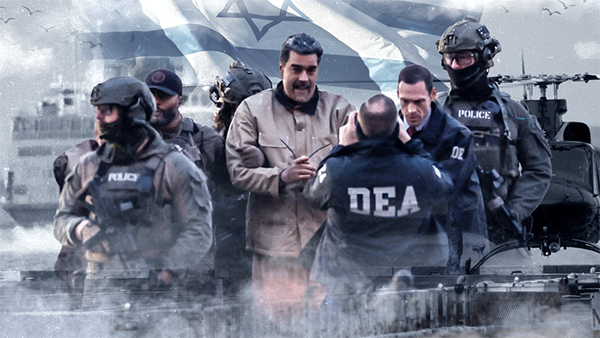
Now is a good time to revisit the United States’ criminal indictment against Venezuelan despot Nicholas Maduro.
Maduro, according to the Americans, facilitated a vast cocaine trafficking network, with Trinidad and Tobago the primary transshipment route.
The drug kingpin is languishing in a New York prison awaiting trial for narco-terrorism, violence and money laundering.
The US alleges that Maduro’s web paid off corrupt Caribbean politicians, who shielded traffickers from arrest, permitting the illicit billion-dollar operations.
Tren de Aragua, and the splinter Evander controlled illicit transit ports, operating alongside T&T gangs in a scheme “valued at millions in suspicious transactions.”
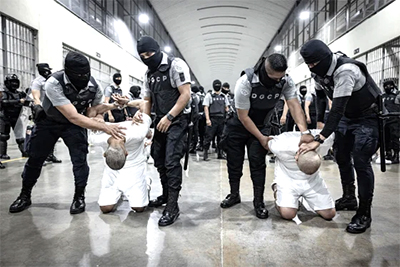
The Americans term it “systemic corruption.”
No Caribbean politician was publicly named in the unsealed indictment.
But T&T is, by far, the major drug trafficking route in this part of the world, ranking eight out of 10 in the US’ Organised Crime Index.
The maritime coasts remained porous despite a PNM 2015 general election manifesto promise to set up a border protection and security agency.
In 2016, a senior government official vetoed a formal recommendation to the National Security Council.
The Rowley Government did not act on repeated scorching reports from US agencies about the crime-running epidemic and involvement of powerful honchos.
The US sea attacks from last September to December “significantly disrupted” drug trafficking through T&T.
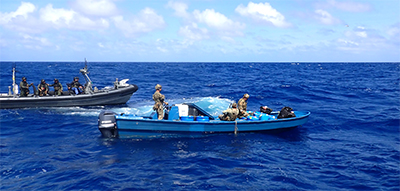
But cartels are parachuting drug bales onto vessels, and hiding cocaine in legitimate food shipments.
Buoys are being used for offshore drop-offs involving long-range go-fast boats, according to US security reports.
In other words, the entrenched billion-dollar drug transshipment industry is alive and well.
Corruption involving police, customs and other officials is “widespread,” one report said.
The UNC administration pledged a wide-ranging attack on the drug trade, including sealing the open borders, providing adequate resources, and other fit-for-purpose measures.
Some legislative and operational plans have been put into effect.
But the drug trade takes no holiday, and there is intel of recent bloody crimes being tied to organised crime.
The State of Emergency grants the police service enhanced powers, such as disrupting gang networks by reducing mobility.
Certain critics stayed mum while the PNM administration disregarded the drug trafficking free-for-all and the accompanying crime spree.
Those commentators are now hyperventilating over the SoE, demanding an immediate solution to an intractable problem.
The urban media have never called for decisive action against the drug elites, the powerful operators of the billion-dollar underground economy.
Prime Minister Kamla Persad-Bissessar has repeatedly pledged to take down the cocaine mafia that has destabilised the land through gang warfare, the weapons trade and money laundering.
Surely, the Prime Minister deserves national support.
