


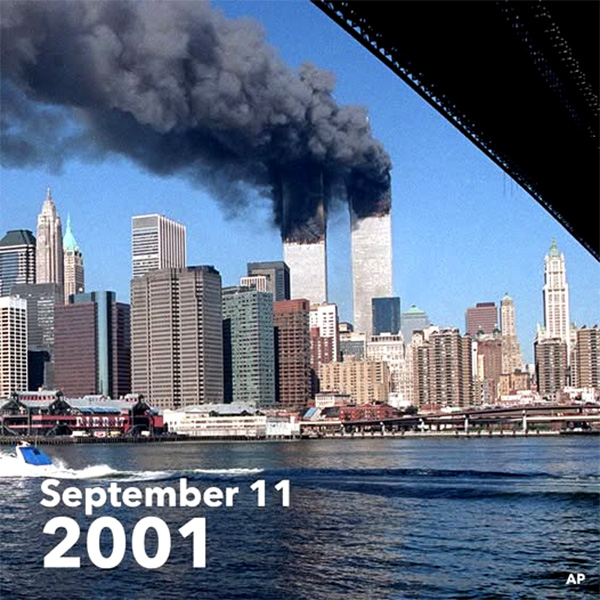



I was there.
On the morning of September 11, 2001, I was sitting on a plane at JFK Airport, ready to taxi onto the runway for takeoff. I was heading home to Trinidad.
I often wonder how many people have experienced what it is like to put a plane-load of Trinbagoians together.
It is something special.
Put a group of Trinbagonians on an aircraft after they have been away from home, and sometimes it feels less like a commercial flight and more like releasing prisoners who have been locked up for a while and are finally heading to an island of freedom.
The freedom can become extreme.
Your right to talk, laugh, joke, sing and generally behave as though everybody else’s rights are secondary suddenly becomes very important.
And on that morning, the Trini bad behaviour started.
Remember, this was 2001. The smartphone had not yet arrived. BlackBerry was becoming popular, and a cellphone was still mostly a phone—not the electronic Swiss Army knife it is today.
Thank God, perhaps.
Because if smartphones had existed as they do today, there would probably have been hundreds of videos documenting that morning.
What I am telling you is therefore from memory. But some things get permanently etched into your mind.
The plane was loaded with Trinis—and probably overloaded with luggage too. Remember those suitcases in those days? They were enormous. You were allowed two pieces, and I suspect half of American goods was packed into those bags.
We buckled up. The safety instructions were given. Tray tables were put away. Seat belts were fastened.
Then the plane began moving.
We reached the runway. You could feel the excitement. Everybody was ready.
And then suddenly—the engines went quiet.
Not completely, but enough to make you wonder.
It seemed as though the captain had his foot on the accelerator but the plane was in neutral. He held it there for what seemed like several minutes, and then the engines dropped back almost to nothing.
That was when the Trini comedy began.
“Like the Captain mash up de plane? Doh tell me we need a part!”
Then came another:
“Why is this taking so long? Did we run out of gas?”
“Maybe the plane need a push-start!”
Someone suggested that the aircraft was carrying too much luggage. Another joked that perhaps the pilot had just gotten his licence.
The laughter spread.
Within minutes, the aircraft had become a little Trini party. People who had boarded as strangers were suddenly talking, laughing and singing calypso.
For perhaps twenty minutes, it was pure Trini camaraderie.
Then the captain came over the intercom.
“Sorry, folks. We have to return to the terminal.”
The plane turned around.
And, naturally, the jokes continued.
“Captain, we forget to pick up Robbie?”
A reference to then-President A.N.R. Robinson.
But somewhere between the jokes and the turning aircraft, something changed.
The laughter began to disappear.
This did not feel right.
When we reached the terminal, the captain was unusually abrupt.
“Disembark immediately. This is an emergency.”
The doors opened. We were told to hurry.
And if you know Trinis, you know something serious had happened.
The same people who had been joking minutes earlier suddenly became quiet.
And then many began to pray.
It is true: there are no atheists in a foxhole.
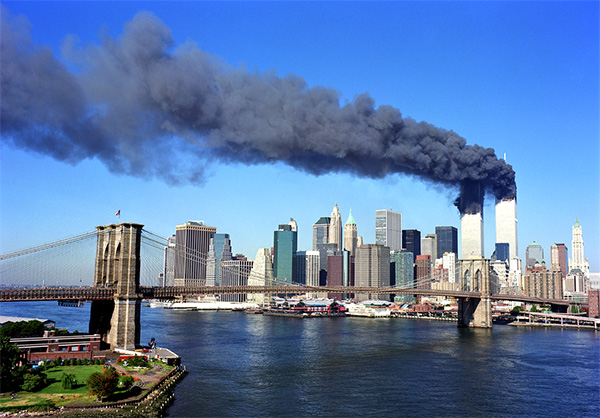
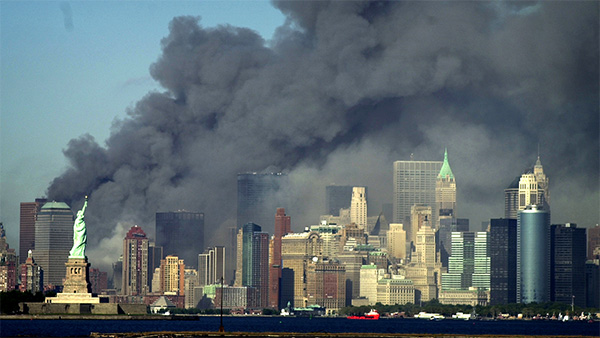
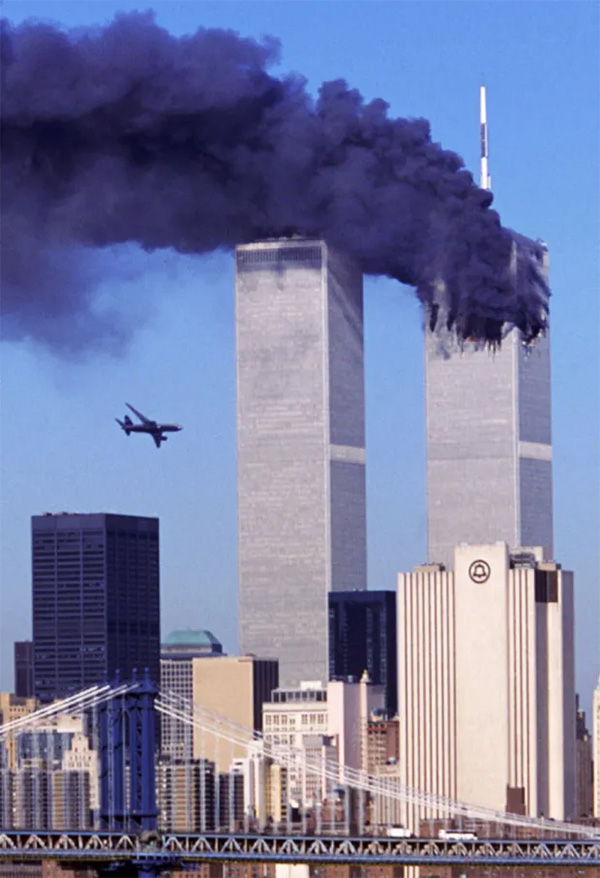
We rushed into the terminal. But not before we could see smoke and paper flying in the air.
There was a television on in the termenal when we saw the images of the second aircraft crashing into a tower.
In that instant, the jokes were over.
The world had changed.
New York became a nightmare.
JFK was locked down under extraordinary security. I did not return to Trinidad for more than a week.
In Mahatten where i was staying looked like a war zone. Debris was everywhere. People wandered the streets searching for family members and loved ones. The devastation looked almost like the aftermath of an earthquake.
And the people I met on that flight—the strangers who had become friends during those twenty minutes of Trini humour—we stayed in touch.
9/11 left a scar on all of us.
But it also changed aviation forever.
The carefree days of air travel were over. Security tightened. Cockpit doors became fortified. Passengers were screened more intensely. Airports changed. The simple act of boarding an aircraft would never again feel quite so simple.
For me, something else changed.
Since that day, I have never had the same desire to fly.
Perhaps that is because I was sitting on an aircraft that morning, ready to take off, completely unaware that the world was about to change.
I remember the jokes.
I remember the singing.
I remember the laughter.
And I remember how quickly it all stopped.
That is what September 11 means to me.
Not simply buildings collapsing. Not simply aircraft being hijacked. Not simply the beginning of a new era in aviation.
It is the memory of an ordinary morning that suddenly became extraordinary—and a plane-load of Trinis who went from joking to praying when we realized that something was terribly wrong.
Twenty-five years later, I can still see it.
And some mornings, you never forget.
The author earned his PhD at the Ohio State University.
He has worked in research, teaching and public service, including with the Ministry of Education, LRC, The UWI, and the Ohio State University.
He is now retired
