


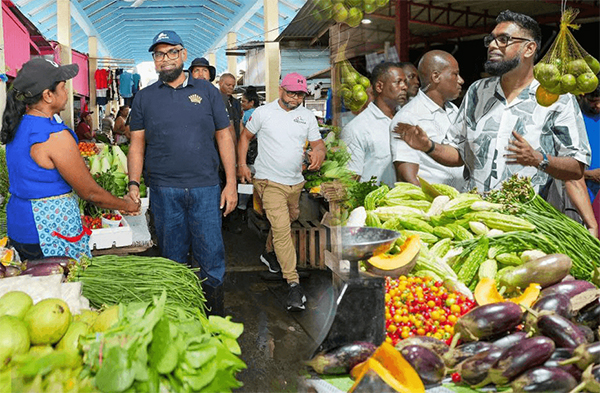



It is certainly heartening and encouraging to learn that one of our CARICOM countries, Guyana, is taking up the mantle of responsibility to increase food production and ensure food security among its neighbouring countries, Trinbago included.
According to reports Guyana President Dr. Mohamed Irfaan Ali and guided by Agriculture Minister, Zulfikar Mustapha has embarked on a programme to ensure that food security remains its foremost priority for years to come. Already the only English-speaking country in South America has stepped up production in many areas of food production including rice, corn, soybean, onions, dragon fruit, watermelon and cassava. In the livestock sector we have seen increases in poultry, beef, chicken and pork production.
According to Mr. Mustapha, “The Agriculture Sector has undergone a massive transformation over the past six years.” This was done by increasing the Agriculture budget from $18.4 billion in 2020 to $113.2 billion in 2026. Not only that but initiatives have been set up to assist farmers with land preparation, greenhouses, hydroponics, irrigation, pest and disease control, disaster management and marketing of their produce.
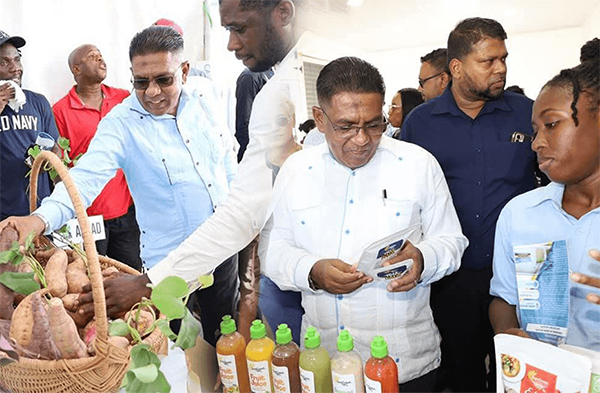
A special push has been made to include the youth in this sector by providing incentives to get involved in this noble sector because the Guyanese Government has realised that without food nothing else is possible and a well-fed nation is certainly a happy and productive nation.
What is of note also, is the fact that Guyana is not only thinking about itself alone but the entire region as the President has said time and time again that he is committed to reducing the food import bill and providing food security in the region. The lesson to take away here is that although oil and gas is now earning much foreign currency in the country, they are not losing focus on what matters the most and they have understood that relying on the energy sector alone could create unforeseeable disaster later on.
Emphasis on Agriculture is:
1) An economic buffer in case of a drastic decline in the energy sector
2)Ensuring sustained economic growth in GDP
3)Provides long-term employment for its people
4)Affords opportunities for youths to be gainfully employed
5)Reducing food import bill and creates food security
I believe that T&T can learn many lessons here as we were there before but instead of investing in Agriculture and the young people we did the opposite. Now, we have found ourselves with a huge food import bill and insecurity as we had experienced during the years of Covid 19.
It is not too late for us as we still have oil and gas money coming in and we do have a willing population, good climate, good soil and fertiliser producing industries right on our doorsteps.
In the upcoming National Budget it is hoped that these considerations are taken into account.
WKS Hosein,
Couva
