


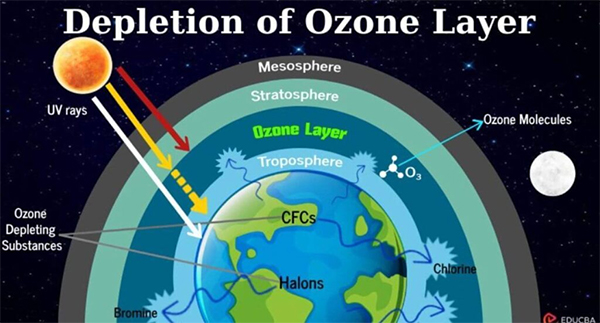



We hear the constant sermons about climate change, the ozone layer, the Arctic and going green. But one has to ask: is the world really serious about environmental protection, or has “green” become another very profitable industry?
While small countries are pressured to change their behaviour, major economies continue to consume enormous quantities of fossil fuels. China remains the world’s largest coal consumer, even though its coal fired electricity generation declined in 2025.
And what happens when wars send bombs and drones into oil and gas infrastructure? What happens when pipelines fail, ships discharge contaminants, or industrial waste finds its way into the sea? Who is continuously monitoring what vessels are loading and unloading offshore Trinidad and Tobago, and what is entering our waters?
We also see illegal materials being destroyed in the open air, with smoke and contaminants potentially entering the atmosphere. Yet we continue to hear the word “green” as though saying it often enough makes us environmentally responsible.
Then there is the food on our supermarket shelves.
What controls are actually being applied to imported genetically modified or bioengineered foods? The Government has food safety, quarantine and laboratory systems, but consumers deserve to know what is actually being tested and what information is available to them.
I therefore ask the Minister of Health and the Minister responsible for Agriculture: What exactly is entering our food chain, what testing is being done, and are consumers being properly informed?
Environmental protection cannot be selective. If we are serious about protecting the population, the sea, the air and our food supply, the same scrutiny must apply to everyone, large countries, small countries, manufacturers, shipping companies and governments alike.
Otherwise, “going green” risks becoming nothing more than a slogan, and a very profitable one.
Gordon Laughlin,
Westmoorings
