





By PETER GREEN
Friday was supposed to be Prime Minister’s Question Time.
But hear what!
The Opposition decided not to send any questions to the House Speaker for approval. In other words, they boycotted the Prime Minister’s Question Time
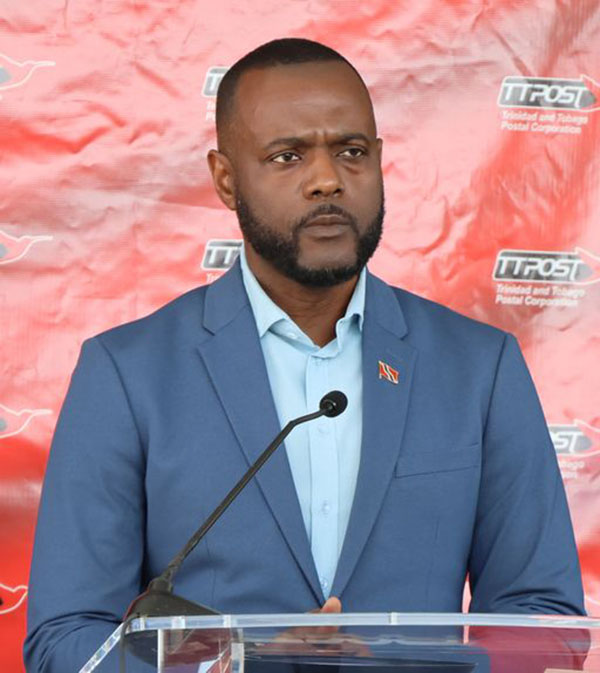
Opposition Chief Whip, Marvin Gonzales, said the decision was intended to force action on what he described as a growing threat to parliamentary accountability.
The Opposition wants the Standing Orders Committee to urgently address a ruling made by the Speaker on September 19, 2025, which Gonzales said prevents MPs from asking supplementary questions when they believe the Prime Minister’s responses are incomplete, evasive or inaccurate.
He argued that the restriction leaves the Prime Minister free to make statements in Parliament without being challenged immediately.
Gonzales also questioned the limited number of questions submitted by Opposition MPs that have been approved since the 13th Republican Parliament began in May 2025.
He said the Opposition submitted 130 questions to the Prime Minister, but only 30 were approved. The other 100 were either rejected, delayed or remain unresolved.
Friday’s boycott came after the Opposition had signalled it would withdraw from the session if the issue remained unresolved.
Among the matters MPs had intended to raise were the Special Operations Zone in Maloney, crime statistics, water shortages, the deadly boating collision off Chaguaramas and preparations for a potentially severe dry season linked to El Niño.
However, Gonzales said the Opposition feared its questions could be rejected and that MPs would again be unable to challenge the Prime Minister through supplementary questions.
Gonzales said the House Speaker had previously indicated that the matter could be referred to the Standing Orders Committee, but more than a year after the ruling, no changes have been made.
The Opposition is now demanding that the committee meet urgently and recommend changes to Standing Order 26 to clearly allow relevant follow-up questions.
Gonzales insisted the move was not about securing special privileges for Opposition MPs, but restoring a parliamentary practice that had existed under previous Speakers and administrations.
