





By Dr Jack Austin Warner Former FIFA Vice President
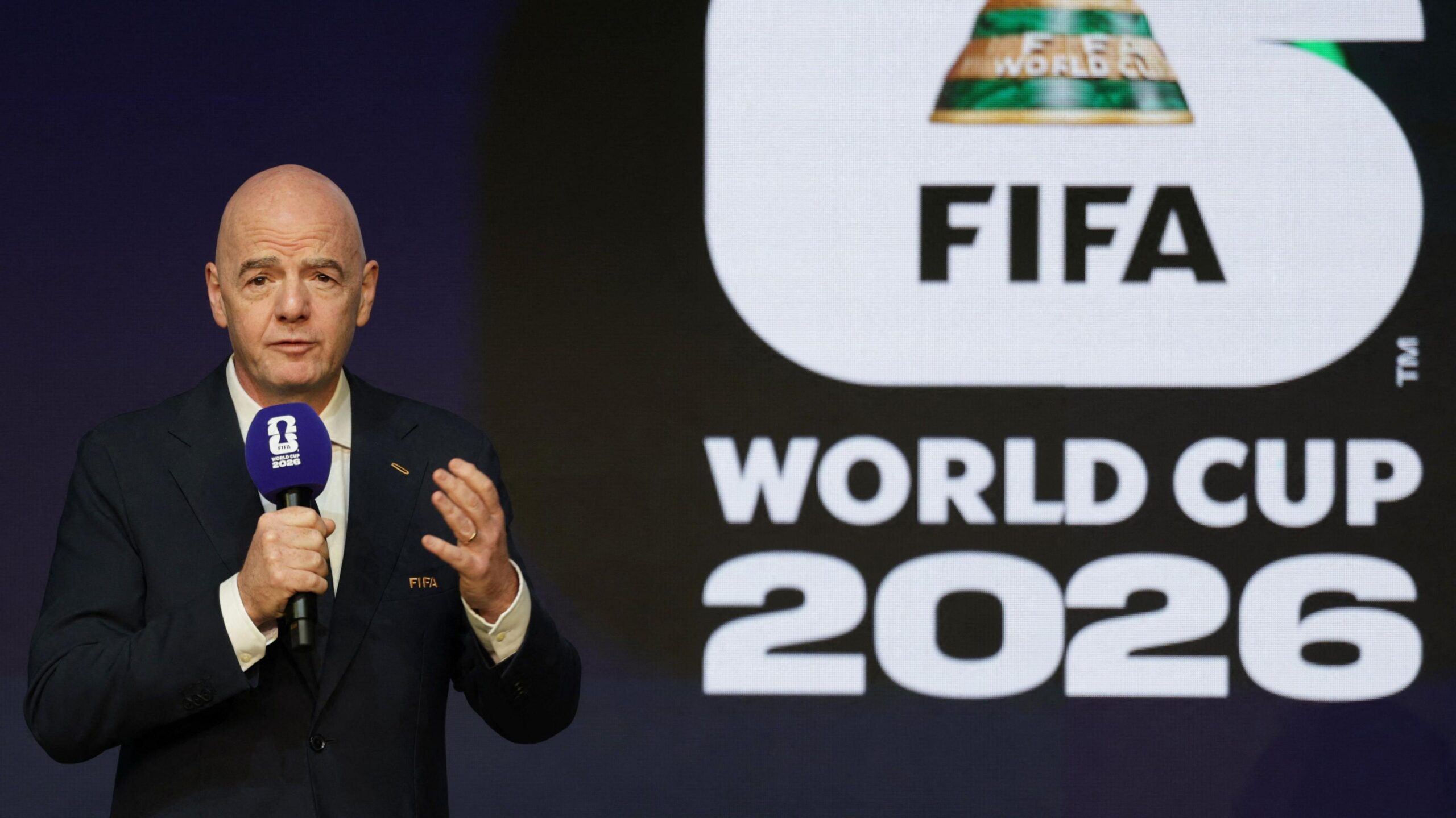
The FIFA World Cup is supposed to be the ultimate unifier, an event when geopolitics pauses and the entire world gathers around the beautiful game. But as the 2026 tournament hosted by the United States, Mexico, and Canada, approaches, legitimate questions are emerging: Is the World Cup under threat?
It is not from lack of enthusiasm or from stadium readiness, but rather from security instability, immigration bottlenecks, and political turbulence that could complicate what is meant to be the most expansive World Cup in history.
First, there is the issue of violence in Mexico. Mexico is scheduled to host multiple matches, including high-profile fixtures in Mexico City, Guadalajara, and Monterrey. Yet the country continues to grapple with cartel-related violence in several regions. While major metropolitan areas hosting matches are heavily secured and accustomed to large international events, the optics of sustained criminal activity cannot be ignored. A single high-profile security incident during the tournament could overshadow months of preparation. FIFA and local authorities must be acutely aware of this, which is why security planning has intensified, but the reputational risk remains.
Second, there is the question of U.S. institutional stability, particularly concerning the Department of Homeland Security (DHS). Any partial shutdown, budget impasse, or administrative paralysis affecting DHS or Customs and Border Protection could create severe bottlenecks at ports of entry. The United States will host the majority of matches. Millions of fans are expected to travel across borders during a compressed tournament schedule. Even modest disruptions to visa processing, airport security staffing, or border management could result in long delays and global embarrassment.
The World Cup is not just a sporting event; it is a logistical operation on a wartime scale. Visa processing timelines, biometric screening systems, and inter-agency coordination must function seamlessly. If federal shutdowns or political gridlock interrupt that machinery, the impact will be immediate and highly visible.
Then there is the thorny issue of visa restrictions. The U.S. already maintains strict entry requirements for nationals from certain countries. With the expanded 48-team format, the 2026 tournament will bring in players, officials, and fans from more nations than ever before, including countries whose citizens may face additional screening or travel hurdles. If visa delays prevent supporters from attending or, worse, complicate player or delegation travel, the spirit of the tournament could suffer.
Canada and Mexico have their own visa regimes, though generally less restrictive than the United States’. But because fans will likely cross borders multiple times, especially for knockout rounds, policy misalignment could create confusion and uneven access. A fan cleared to enter Mexico may not have the documentation to enter the United States on short notice. Harmonisation of travel protocols across the three host nations is therefore essential.
Broader threats
Beyond security and immigration, there are broader threats. Climate volatility poses a real concern. Summer heatwaves across North America are intensifying. Player welfare in high-temperature environments, particularly in open stadia, could become an issue. Infrastructure resilience: power grids, public transport, and emergency services will also be tested.
Cybersecurity is another under-discussed vulnerability. Large international events attract sophisticated cyber actors. Ticketing platforms, broadcast feeds, and transportation systems are all potential targets. A coordinated cyber disruption during a marquee match would reverberate worldwide.
Yet it would be premature to declare the tournament imperilled. The United States, Canada, and Mexico have all hosted mega-events before: the Olympics, Super Bowls, international summits, and even World Cups, and have demonstrated capacity for high-level coordination. Security cooperation across North America is extensive. Intelligence sharing, joint task forces, and event-specific planning are already underway.
The real question is not whether threats exist; they do. The question is whether political will and administrative competence can neutralise them in time.
The 2026 World Cup is meant to symbolise continental unity and global celebration, but unity requires preparation, and celebration requires stability. If violence, bureaucratic dysfunction, or restrictive travel policies overshadow the tournament, the damage will be more reputational than operational, and reputational damage in a globalised era spreads far more quickly.
So, is the FIFA World Cup under threat? Not existentially yet, but it is under pressure, and pressure tests institutions. The world, not me, will be watching long before the first whistle blows.
