





It is tempting to measure success in simple numbers. More than 200 gang-related arrests under a State of Emergency sounds decisive, even reassuring. It suggests action, momentum, and control. It allows officials to point to tangible outcomes and say, with some confidence, that progress is being made, but numbers, on their own, can be misleading, because while arrests may signal activity, they do not necessarily signal resolution. In the case of Trinidad and Tobago’s repeated States of Emergency, the distinction matters.
Yet, even as the government and security forces proclaim the success of the State of Emergency (SoE), the reality on the ground tells a starkly different story. Home invasions continue to terrorise families in their own sanctuaries. Criminals, emboldened rather than deterred, brazenly slaughter citizens, including children, in broad daylight. Schoolchildren themselves have become both victims and perpetrators of violent attacks in public spaces, while police stations are not off-limits: armed groups have invaded these supposed bastions of law and order, stealing weapons and ammunition with impunity, all under the watch of the SOE. The fundamental question is neither whether the police have been active nor whether the State has exercised its expanded powers. The question is whether those actions have translated into lasting security, whether the machinery of crime has been dismantled or merely disrupted. On that test, the evidence remains far less convincing.

A State of Emergency is, by design, an extraordinary measure. It grants the State powers it would not ordinarily possess: expanded search authority, detention without immediate charge, curfews, and restrictions on movement. These tools are meant to deliver rapid, decisive results in moments of crisis. Raids have increased, suspected gang members have been detained, firearms have been seized, and there have even been periods where the murder rate appeared to have stabilised or declined. However, the true measure of success is not what happens during the emergency; it is what happens after.
If the underlying drivers of crime remain untouched, then whatever gains the authorities claim under emergency powers are little more than window dressing. Despite the parade of arrests, military-style raids, and public displays of force, the reality remains unchanged: the government repeatedly declares new States of Emergency, extends existing ones, or threatens further crackdowns as violence surges yet again. If the SOE were truly effective, why do these cycles persist? The answer stares us in the face: disruption is not dismantling. Arresting offenders may scatter the flock, but the shepherds of crime simply regroup, adapt, and resume business as usual.
There is a psychological price to pay
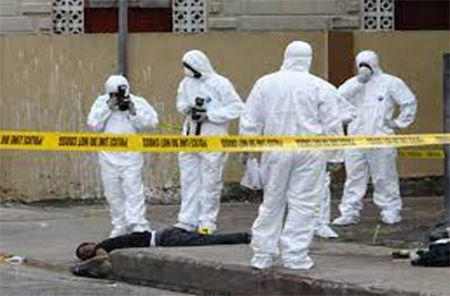
Arrests disrupt. They remove individuals from circulation, interrupt planned activities, and create short-term instability within criminal networks, but dismantling requires something more enduring. It requires breaking command structures, disrupting financing, seizing assets, successfully prosecuting and convicting key figures, and eliminating the conditions that allow gangs to regenerate. Without these, the system adapts; new actors emerge, old networks reconfigure, and the cycle continues.
Another uncomfortable truth: detention is not justice. The authorities detain suspects by the dozens, but these arrests frequently collapse in court due to flimsy evidence, unprotected witnesses, or rushed investigations. Suspects walk free, returning to the very neighbourhoods from which they were taken. The SOE’s promise of consequence quickly unravels, replaced by the bitter lesson that accountability remains elusive no matter how many times the State flexes its emergency powers.
Beyond the operational dimension lies a deeper structural issue. Crime in Trinidad and Tobago is not simply a policing problem; it is an ecosystem. It is sustained by illegal firearms trafficking, narcotics flows, economic marginalisation, weak community trust, and, in some cases, the influence of prison-based coordination. A State of Emergency can suppress the symptoms of this system, but it cannot, on its own, cure the disease.
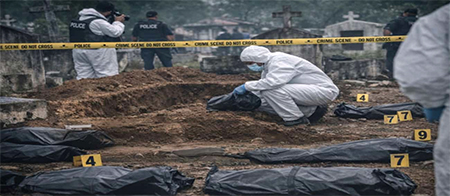
This is why success must be defined rigorously. A temporary dip in murders under the SOE may look impressive in a press conference, but it is a poor substitute for real progress. The public is not fooled. They witness the return of violence as soon as the SOE is lifted; they see the weak conviction rates, the persistent flow of illegal weapons, and gangs that remain entrenched. The true test of success is not whether the government can suppress crime for a moment, but whether citizens can walk the streets without fear long after the sirens have faded.
There is also a psychological price to pay. When politicians and police chiefs normalise the SOE as a routine tool of governance, they send the message that safety is a privilege to be rationed, not a right to be guaranteed. Citizens grow weary, cynical, and resigned, learning to live with a perpetual sense of crisis instead of demanding lasting solutions.
In the final analysis, the SOE’s true legacy is measured not by the length of arrest lists but by the safety of ordinary people when extraordinary powers are gone. By that standard, the State and its security forces have yet to deliver. Trinidad and Tobago deserves more than a temporary respite from violence; it deserves a future where safety does not depend on perpetual crisis but is rooted in justice, trust, and lasting reform.
