




Dear Editor,
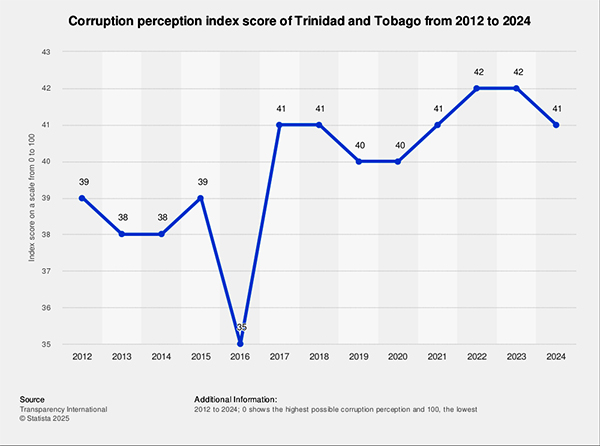
The time has come for the country to confront a harsh political reality. The People’s National Movement built a reputation over decades that is now stained by scandal, criminal allegations, corruption, and moral collapse. The record is public and the damage to national trust is undeniable.
For years citizens watched the same disturbing pattern. Drug trafficking networks expanded while criminals operated with growing confidence.
Corruption scandals surfaced around state contracts and public money. Political insiders closed ranks whenever questions appeared. Accountability rarely followed.
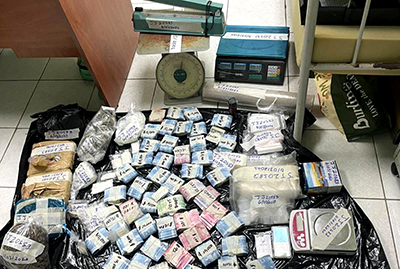
Law enforcement operations repeatedly exposed drug trafficking routes passing through Trinidad and Tobago during periods when the PNM controlled the national government.
Organized gangs strengthened their grip on communities while murder rates climbed to historic levels. In 2022 the country recorded more than 600 murders. Citizens lived with fear while the political leadership responsible for national security struggled to produce results.
Corruption also became a permanent shadow around the PNM political establishment. Public procurement controversies, misuse of state resources, and repeated allegations involving individuals close to political power damaged the credibility of government institutions.
Citizens watched inquiry after inquiry and investigation after investigation while the same political figures attempted to distance themselves from scandal.
Even more disturbing are the criminal allegations that have emerged over the years involving sexual misconduct and exploitation connected to individuals who moved within the political orbit surrounding the PNM.
Allegations of pedophilia and abuse represent the darkest crimes imaginable in any society. When such accusations appear anywhere near public authority the moral legitimacy of leadership collapses.
These issues reveal a deeper problem. The PNM operated for too long inside a political culture that protected insiders while the public paid the price. Silence replaced accountability. Loyalty replaced ethics. Political survival replaced moral responsibility.
Citizens across the country saw the consequences. Crime surged. Public trust collapsed. Communities suffered while those responsible for leadership argued politics instead of confronting the crisis.
The people of Trinidad and Tobago finally responded at the ballot box. They rejected a political system that had become synonymous with scandal, arrogance, and failure. They demanded leadership grounded in integrity and accountability.
The lesson for the country is simple. No political organization can survive forever while corruption scandals, criminal allegations, and national insecurity surround it. The public eventually demands change.
That moment has arrived.
Curtis Anthony Obrady,
Arima
