





By Dr Jack Warner
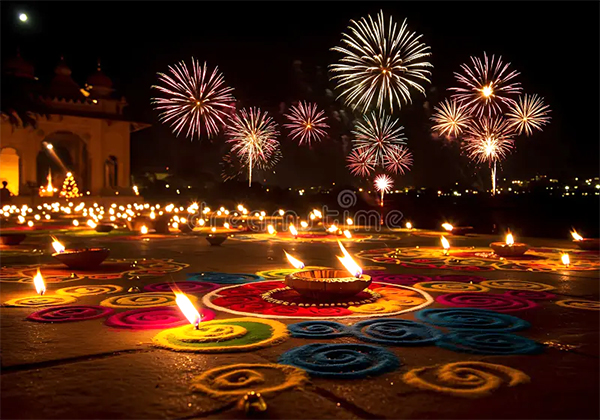
A painful irony is unfolding in Trinidad and Tobago as we prepare to celebrate Divali, the Festival of Lights. At a time when our nation should be reflecting upon the triumph of light over darkness, knowledge over ignorance and goodness over evil, the public conversation has become increasingly consumed by bitterness, political accusations and personal attacks surrounding Blue Waters’ sponsorship of Divali Nagar.
Surely, we can do better than this.
Divali is not simply an occasion for lighting deyas, decorating homes, sharing sweets and exchanging greetings. Its deeper significance lies in the spiritual values it invites humanity to embrace: truth, humility, compassion, self-discipline, forgiveness and the courage to overcome the darkness within ourselves.
Yet what message are we sending when a festival celebrating enlightenment becomes another battleground for political hostility?
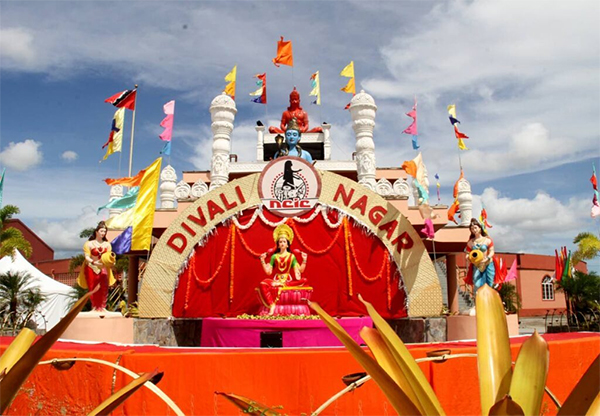
The controversy arose after several state-linked companies withdrew sponsorship from Divali Nagar, while Blue Waters increased its longstanding support, becoming a Diamond Sponsor of the festival’s fortieth anniversary celebrations. What should have been an opportunity to acknowledge the preservation of cultural heritage has instead become entangled in political disputes and allegations concerning the company’s owners.
Prime Minister Kamla Persad-Bissessar has publicly criticised the sponsorship, alleging offensive private remarks by the company’s owners. Their attorney has rejected those allegations. The National Council of Indian Culture, meanwhile, maintains that its sponsorship arrangements were pursued for cultural rather than political purposes.
These disagreements may involve legitimate questions requiring clarification. Allegations of racial prejudice must always be taken seriously, and public officials are entitled to explain decisions involving state resources. But accusations must be examined fairly, with evidence and respect for due process.
What cannot be justified is allowing the dispute to overshadow the sacred significance of Divali.
A disagreement over sponsorship should not become an invitation to ridicule, vilify or divide.

The Hindu understanding of Divali reminds us that darkness is not conquered merely by condemning it in others. We must also recognise and confront the anger, resentment, prejudice and intolerance that can take root within ourselves.
That is the challenge before our nation.
Trinidad and Tobago is blessed with a remarkable cultural inheritance. Hindus, Christians, Muslims and people of other faiths and beliefs have contributed to a society in which religious celebrations transcend the boundaries of individual communities. Divali, Eid, Christmas and other observances have become occasions for neighbours to share hospitality, friendship and mutual respect.
This inheritance is precious. It must never become collateral damage in political disagreements.
Those who lead our country bear a particular responsibility. Political leaders possess powerful platforms, and their words influence the tone of national discourse. They should therefore demonstrate that firmness does not require hostility, disagreement does not demand humiliation, and the pursuit of accountability need not extinguish compassion.
The same responsibility belongs to commentators, broadcasters, social media users and citizens who participate in public debate.
Freedom of expression is fundamental to democracy. But freedom carries a moral obligation to exercise judgment. We should ask whether our words illuminate an issue or merely deepen resentment.
Corporate sponsorship of cultural activities should be assessed through transparent arrangements, ethical standards and the interests of the communities served. Organisations should be free to accept legitimate support without automatically being accused of political motives. Equally, companies should recognise that public trust requires conduct consistent with the values they claim to support.
These principles can coexist without personal hostility.
Perhaps the greatest tragedy would be for younger generations to witness adults celebrating the victory of light while demonstrating the very intolerance that the festival encourages us to overcome.
What lesson would that teach?
Divali offers us something far more meaningful than an opportunity to settle political scores. It invites reflection upon the kind of people we wish to become and the society we are building together.
Let this year’s celebrations become an occasion for reconciliation. Let political adversaries exchange respectful greetings. Let those who feel wronged pursue truth without hatred. Let those who disagree listen without contempt. And let every citizen remember that national unity is strengthened not by the absence of disagreement, but by the dignity with which disagreements are conducted.
As thousands of deyas illuminate homes and communities, may they remind us that the brightest light is not found in the flame itself, but in the kindness, wisdom and humanity it symbolises.
Trinidad and Tobago does not need more darkness disguised as political righteousness. It needs leaders and citizens prepared to rise above bitterness, respect one another and protect the values that make our multicultural nation worth celebrating.
Let Divali illuminate not only our homes but also our consciences. Let us honour the Festival of Lights by becoming a little less judgmental, a little more compassionate and considerably more respectful of one another.
