


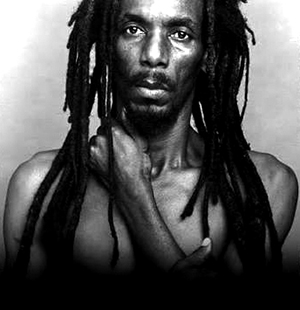



By Dr Jack Warner
Some artistes entertain a nation. Others give that nation a voice, a conscience and the courage to confront itself. Brother Valentino belonged to that rare company of cultural giants whose music was never merely about applause or popularity. It was about truth, justice, dignity and the enduring struggle of ordinary people to be heard.
Trinidad and Tobago has lost more than a calypsonian. We have lost a fearless social commentator, a cultural philosopher and a man who understood that music could become an instrument of national awakening.
Born Emrold Phillip, Brother Valentino emerged during an extraordinary period in our history, when the demand for social justice, Black consciousness and national identity was reshaping Caribbean society. He did not stand apart from those struggles. He gave them rhythm, language and conviction.
His calypso was never designed to make audiences laugh or dance. It challenged them to think.
In songs such as Life Is a Stage, Dis Place Nice and Stay Up Zimbabwe, Valentino demonstrated that the calypsonian could be both entertainer and educator, both storyteller and moral witness. He questioned hypocrisy, confronted injustice, and insisted that ordinary people’s experiences deserved a place in the nation’s conversation.
His voice carried the weight of conviction. His words possessed the force of lived experience. And his performances reminded audiences that the most powerful music does not merely reflect society; it asks society what it intends to become.
Valentino understood something that many in positions of authority too easily forget: a nation cannot achieve greatness by celebrating its achievements while remaining silent about its failures.
He loved Trinidad and Tobago enough to criticise it; that was the essence of his patriotism. He did not confuse loyalty with obedience, nor did he regard criticism as betrayal. For him, speaking uncomfortable truths was an expression of responsibility to the country and its people.
In an age when public discourse can be overwhelmed by political allegiance, personal ambition and manufactured outrage, his example remains profoundly relevant. He demonstrated that an artiste could possess a political conscience without surrendering independent judgment.
His contribution also felt deeply human. His songs spoke to the struggles, aspirations and contradictions of Caribbean life. He recognised the dignity of working people, the injustices that too often diminish them and the resilience that allows communities to endure. Through calypso, he helped preserve a people’s social memory.
Generations yet unborn will be able to listen to his music and discover not only what Trinidad and Tobago sounded like, but also what its people feared, challenged, hoped for and believed. That is the remarkable gift of the true cultural historian.
Brother Valentino’s legacy also challenges younger artistes. Popularity may be fleeting, and musical fashions inevitably change, but artistic integrity can endure beyond generations. His career reminds us that entertainment becomes something greater when it is guided by purpose.
We should therefore honour him not only through tributes, awards and ceremonial remembrance, but also by ensuring that his music remains accessible in our schools, cultural institutions and national archives.
Our children should know his name, understand his message, and appreciate the courage it took to speak truth through song.
For those who grew up listening to him, his passing marks the closing of another chapter in the extraordinary history of Caribbean calypso. Yet the values he championed have not disappeared. They survive wherever an individual refuses injustice, questions authority or insists that human dignity must never be compromised.
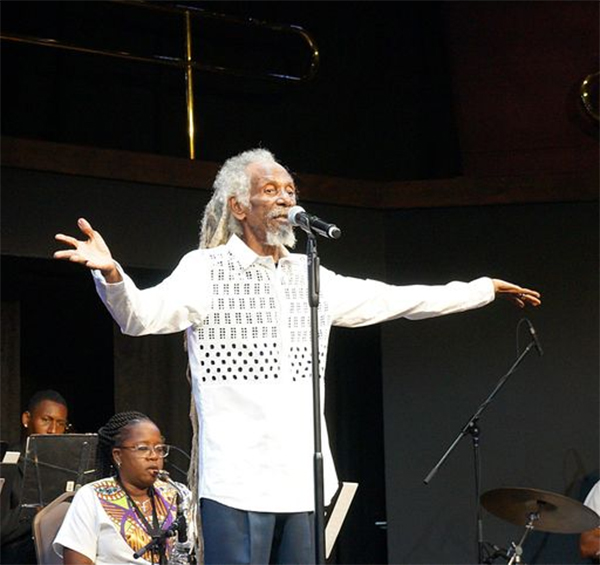
Brother Valentino has taken his final bow, but his message remains on the national stage.
May we remember him not simply as a great calypsonian but as a man who used the gift of music to defend his people’s dignity. His voice may now be silent, but his conscience will continue to speak through every generation willing to listen.
Rest peacefully, Brother Valentino. You sang for the people, stood with them, and left them a legacy time cannot erase.
