






By Dr Jack Warner
Caribbean Airlines’ inaugural nonstop flight from Toronto to Tobago on October 25, 2026, should represent more than another aviation milestone. It should mark the beginning of a determined national effort to transform Tobago into a competitive, sustainable and internationally recognised tourism destination.
For too long, Tobago’s extraordinary tourism potential has been celebrated in speeches without being fully translated into economic prosperity.
The island has what many destinations spend millions trying to create: magnificent beaches, an internationally recognised rainforest, spectacular marine environments, distinctive cuisine, vibrant cultural traditions, and communities renowned for their hospitality; yet natural beauty alone does not guarantee tourism success.
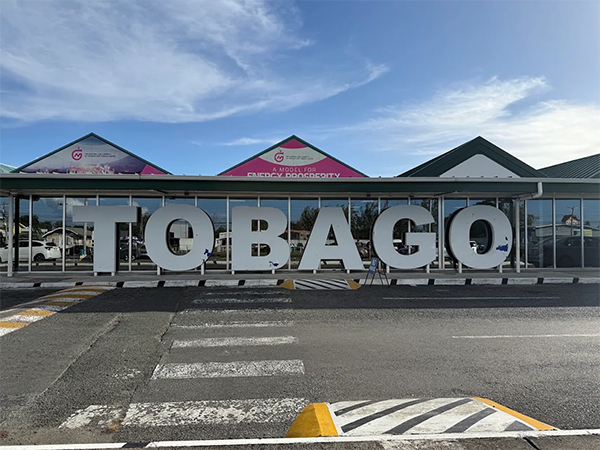
The new weekly Toronto–Tobago service, arriving at the recently opened A.N.R. Robinson International Airport terminal, offers an opportunity to change that reality.
The inaugural flight reportedly carried 61 passengers. While the occasion was understandably celebrated, this figure illustrates an important distinction: establishing an international route is one achievement; generating sufficient sustained demand to make that route commercially viable is another. Tourism development cannot end with ribbon-cutting ceremonies and welcoming speeches.
The new airport terminal represents substantial public investment. Its modern facilities and expanded capacity provide infrastructure for growth, but infrastructure generates economic value only when it is used effectively. The challenge now is to ensure that aircraft arrive regularly, visitors stay longer, businesses prosper and tourism revenue circulates throughout Tobago’s economy; that requires a comprehensive strategy.
First, Tobago must aggressively market itself internationally.
Canada offers considerable potential, particularly among travellers seeking warm-weather destinations during the northern winter. But competing Caribbean islands pursue the same visitors with substantial advertising budgets, established hotel partnerships, and extensive airline connections. Tobago cannot simply announce that it is open for business and expect tourists to arrive.
The Tobago Tourism Agency, Caribbean Airlines, hoteliers and tour operators must coordinate marketing campaigns that convert public awareness into confirmed bookings. Promotional activities should be measured against passenger arrivals, hotel occupancy, visitor spending and repeat visits.
Second, Tobago must develop tourism products that distinguish it from competing destinations.
The island should not attempt to imitate every large Caribbean resort economy. Its strength lies in its authenticity, environmental heritage and opportunities for meaningful cultural experiences.
Visitors should be encouraged to explore village communities, enjoy local cuisine, participate in cultural festivals, visit historical sites and experience the island’s natural attractions through professionally managed tours.
Community tourism can create income for farmers, fishermen, artisans, transport operators, musicians and small entrepreneurs, but these opportunities require training, financing, marketing assistance and reliable infrastructure.
Third, the accommodation sector must become more competitive.
International visitors expect cleanliness, comfort, dependable utilities, efficient service and transparent pricing. Tobago needs investment in existing hotels and guesthouses, alongside carefully planned new accommodation.
The proposed divestment of the Magdalena Grand Beach and Golf Resort presents an opportunity to examine whether private investment could revitalise an important tourism asset. However, any arrangement must protect public value, employment and Tobago’s long-term development interests.
Fourth, the island must address persistent weaknesses in basic services.

A modern airport cannot compensate for unreliable water supplies, poorly maintained roads, inadequate public facilities or inconsistent visitor services. Tourism competitiveness begins with the everyday conditions that residents experience. Indeed, improving infrastructure for visitors should simultaneously improve the quality of life of Tobago’s people.
Fifth, Tobago must invest in its workforce.
Hospitality training should extend beyond hotel management to include culinary arts, tour guiding, digital marketing, environmental conservation, customer service and small-business development. Young Tobagonians should see tourism not merely as seasonal employment but as a pathway to entrepreneurship, professional advancement and sustainable livelihoods.
The industry also urgently needs to protect the environment it depends on. Uncontrolled coastal development, marine pollution, damaged reefs and poorly managed waste threaten the very attractions that bring visitors to Tobago. Sustainable tourism requires effective environmental regulation, responsible development and meaningful community participation.
Finally, the Government and the Tobago House of Assembly must work together.
Tourism development cannot succeed if institutional disagreements delay investment, infrastructure improvements or marketing initiatives.
The recent announcement of approximately TT$1.5 million to support the Toronto route through marketing and a minimum revenue guarantee underscores the need for transparent financial management. Citizens should know how public resources are being used and what measurable returns are expected.
A tourism performance dashboard should therefore publish international arrivals, airline seat capacity, occupancy rates, visitor expenditure, employment and public support costs. The objective must be economic transformation, not simply more passengers.
Tobago does not need another decade of promises about becoming a world-class destination. It needs coordinated investment, professional management, sustained marketing and measurable results.
The Toronto flight has opened a new gateway. The airport has provided the infrastructure. Now Tobago must build the tourism economy that makes those investments worthwhile.
Real success will come when the benefits of tourism are visible not only in airport arrival halls and hotel accounts but also in the livelihoods, businesses, and communities of ordinary Tobagonians.
