


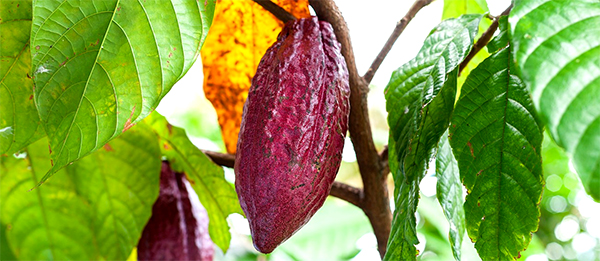



Trinidad and Tobago possesses one of the world’s most celebrated agricultural treasures, yet we have allowed much of its economic potential to remain unrealised.
For generations, our cocoa has earned international recognition for its exceptional flavour and quality. The famous Trinitario variety originated here, and our fine-flavour cocoa remains highly regarded among premium chocolate manufacturers.
Yet an uncomfortable contradiction remains: while the world values our cocoa, Trinidad and Tobago has struggled to build a substantial domestic industry around that reputation.
We have the raw material, the scientific expertise, the agricultural heritage and the international recognition. What we have lacked is sustained investment and a coordinated commercial strategy to turn these advantages into widespread prosperity.
Recent developments at The University of the West Indies offer renewed hope.
UWI Fine Cocoa Products Ltd, working alongside the university’s Cocoa Research Centre, is developing its premium SPIRITT chocolate brand and preparing to enter international markets, initially targeting the United States and Canada.
This initiative represents what Trinidad and Tobago urgently needs: transforming local agricultural production into high-value manufactured goods with a recognisable national identity. It is precisely the kind of economic diversification successive governments have promised; the opportunity is considerable.
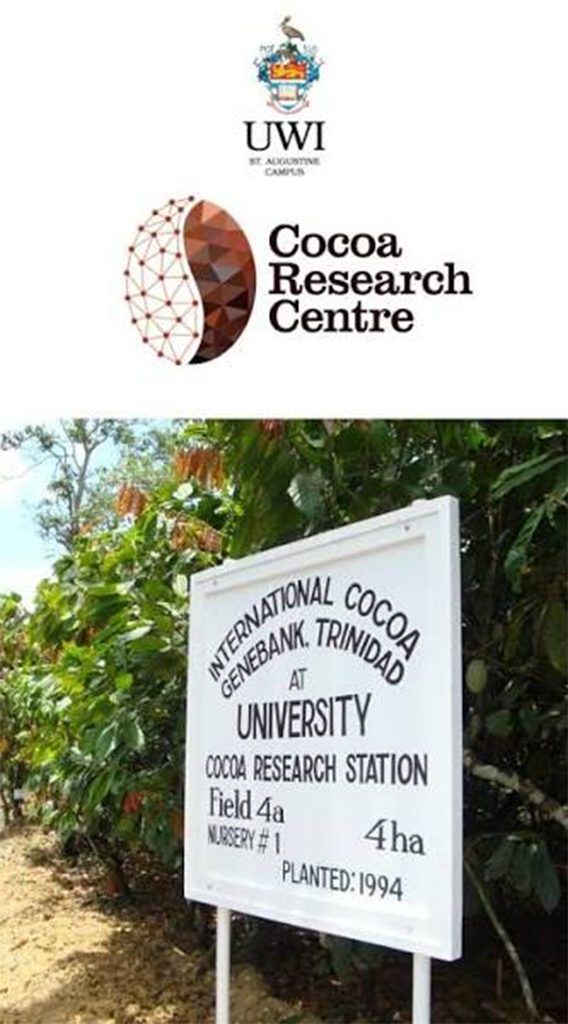
According to the UWI Cocoa Research Centre, cocoa cultivation has declined from approximately 90,000 hectares during the 1920s to around 3,500 hectares. Researchers have also highlighted low productivity, ageing plantations and inadequate investment.
These figures tell a troubling story of agricultural decline, but they also reveal the scale of the opportunity for renewal. We cannot rebuild this industry merely by encouraging farmers to plant more cocoa trees.
A modern cocoa economy must connect agriculture, scientific research, processing, manufacturing, branding, tourism and international marketing.
First, the Government should establish a comprehensive cocoa revitalisation programme with measurable production and export targets.
The Government should assess abandoned and underutilised estates for rehabilitation. Farmers need access to improved planting material, technical assistance, irrigation where appropriate, disease management and affordable financing.
Young people must also be encouraged to view cocoa cultivation as a commercially viable enterprise rather than an occupation associated with hardship and uncertain returns.
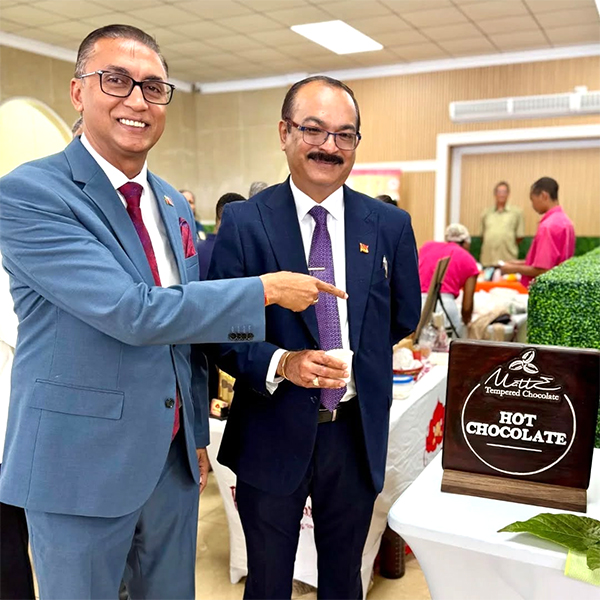
address at the 2025 Cacao of Excellence Recognition Ceremony
Second, Trinidad and Tobago must invest aggressively in value-added processing.
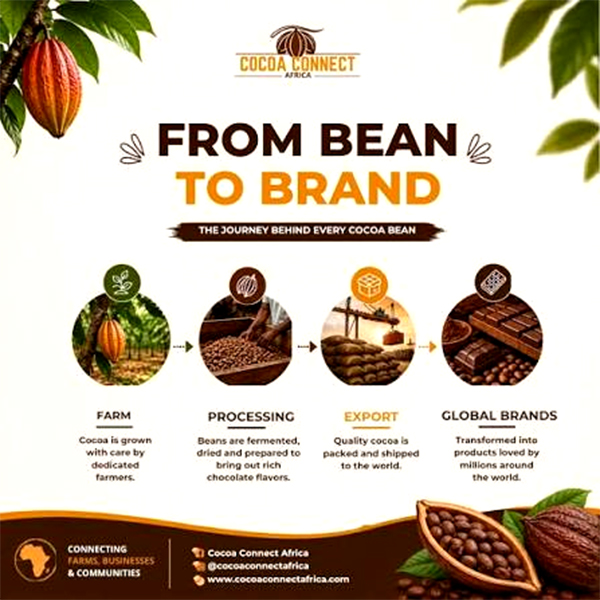
Exporting quality cocoa beans has commercial value, but processing those beans locally into premium chocolate, cocoa butter, cocoa powder and other products creates opportunities to retain additional value within the national economy. The UWI facility demonstrates how research and manufacturing can work together.
However, the objective should extend beyond one university-supported company. Small and medium-sized chocolate producers must have access to shared processing facilities, quality testing, packaging services and export certification.
Third, we must build an internationally recognised Trinidad and Tobago chocolate identity.
Countries and companies have demonstrated that consumers will pay premium prices for distinctive products supported by quality, traceability and compelling stories of origin. Our cocoa possesses these advantages.
A coordinated national branding strategy could promote Trinidad and Tobago as the birthplace of Trinitario cocoa and a producer of exceptional single-origin chocolate. Such a strategy must be supported by consistent product quality, professional packaging, reliable supply and effective intellectual-property protection.
Fourth, the industry must embrace technology.
A recently reported citizen-science initiative involving cocoa farmers, researchers and young people has collected agricultural and environmental observations to improve understanding of pest pressures, weather conditions and farming practices. This approach should be expanded.
Digital farm records, soil monitoring, climate information and improved fermentation techniques can help farmers increase productivity while protecting quality. The future of agriculture will depend increasingly on the intelligent application of science.
Fifth, export development must become a national priority.
Premium chocolate producers face demanding requirements for food safety, traceability, packaging, labelling, and reliable delivery.
Government agencies, export-promotion institutions and the private sector should provide practical assistance to help promising manufacturers meet these standards and secure international distribution. Participation in trade exhibitions is useful, but actual export contracts and repeat orders must become the measures of success.
Sixth, cocoa tourism offers another promising opportunity.
Visitors could experience working cocoa estates, traditional harvesting methods, chocolate-making demonstrations and tasting experiences. Such activities would create income for rural communities like Brasso Seco while strengthening the international reputation of our products.
Above all, farmers must receive a fair share of the industry’s growing value.
A successful chocolate export business means little to national development if the people cultivating the cocoa remain impoverished. Transparent purchasing arrangements, producer cooperatives and long-term supply agreements can help distribute economic benefits more equitably.
The Government has identified cocoa as an industry with export potential. That commitment should now be translated into a funded, time-bound development programme with publicly reported results.
Trinidad and Tobago must stop treating economic diversification as an annual Budget promise and begin building industries that can compete internationally.
Our cocoa industry will not replace the energy sector overnight. Nor should we pretend that every agricultural product can become a major export success. However, premium cocoa offers a credible opportunity to generate foreign exchange, strengthen rural livelihoods, encourage entrepreneurship and demonstrate what local innovation can achieve.
The SPIRITT initiative provides a useful starting point.
The challenge is to ensure that the next generation does not inherit another story of extraordinary national potential left unrealised. We have spent generations exporting cocoa that others transform into valuable products.
It is time to export more finished products, brands, and economic value ourselves.
