





By Corneilus George
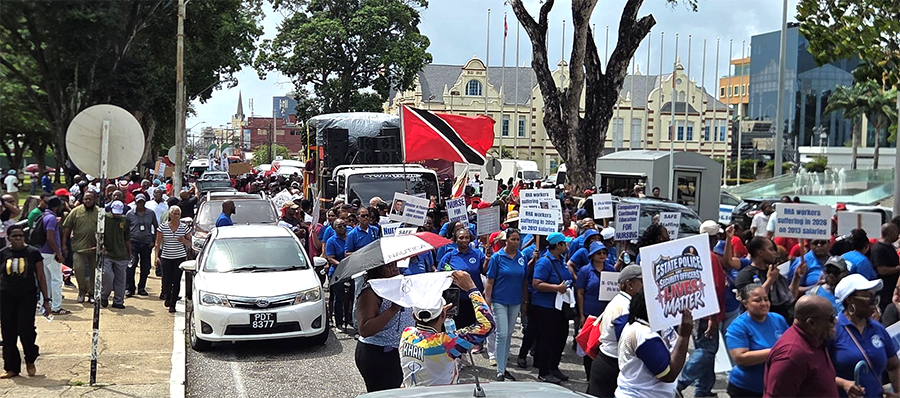
The streets of Port of Spain became the stage for another confrontation between organised labour and the Government on October 30, as trade union members marched to demand decent wages, job security, economic justice and respect for workers’ rights.
The significance of this demonstration extends far beyond the number of people who participated or the political personalities who joined them.
It raises a fundamental question about the kind of society Trinidad and Tobago is becoming: Can a country genuinely pursue economic recovery while large sections of its workforce remain uncertain about their livelihoods, outstanding wages and future?
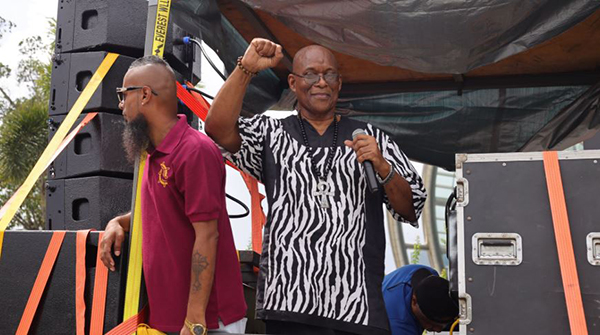
Twelve trade unions reportedly mobilised for the march, including organisations representing teachers, nurses, communications workers, steelworkers and other employees. Their grievances included unresolved collective bargaining agreements, outstanding salary arrears, retrenchment and deteriorating employment security. These concerns deserve serious examination, not dismissal.
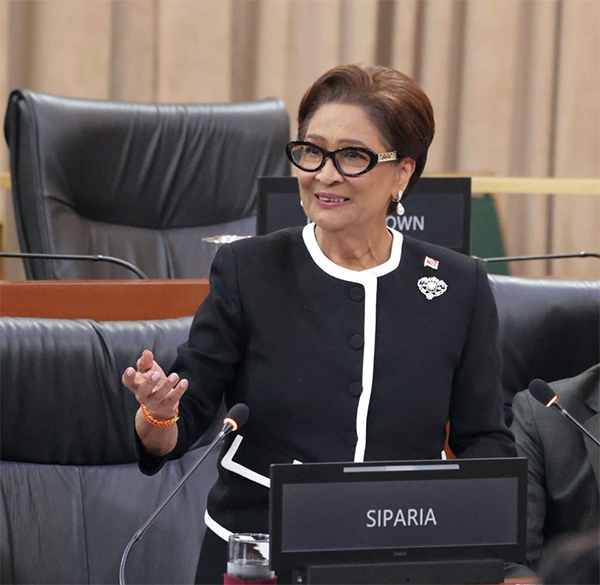
Prime Minister Kamla Persad-Bissessar has defended her administration’s record, pointing to progress on back pay, salary adjustments, ten per cent wage offers and labour legislation. She has also questioned the political motivations of parts of the trade union movement, particularly after opposition politicians participated. The unions, meanwhile, insist that their concerns are genuine and that their responsibility is to defend workers regardless of which political party holds office.
Both the Government’s stated achievements and the workers’ outstanding claims must be examined against documented agreements, payment records and the realities confronting affected employees.
The presence of opposition politicians does not automatically invalidate legitimate labour grievances. Equally, union leaders must maintain their independence and ensure workers’ interests remain central to their advocacy. This should not become another contest in which political allegiance matters more than citizens’ welfare.
Consider an employee whose salary remains tied to a collective agreement negotiated years ago. Meanwhile, the cost of groceries, transportation, housing, and other necessities continues to pressure household budgets.
For that worker, delayed negotiations are not an abstract industrial relations problem. They determine whether a family can meet its obligations, save for emergencies or provide opportunities for its children.
Outstanding wages are not simply numbers in a government accounting exercise. Where contractual obligations have been established, they represent money workers have earned and expect to receive.
The Government must also confront the consequences of retrenchment and economic restructuring. Reform may sometimes require difficult decisions, particularly when state enterprises are financially distressed. But workers should not be treated as disposable casualties of decisions over which they have little control.
Any restructuring programme should include meaningful consultation, transparent criteria, lawful severance arrangements and credible opportunities for retraining and re-employment.
At the same time, organised labour must recognise the financial constraints confronting Trinidad and Tobago.
Public expenditure cannot expand indefinitely without regard to revenue, debt obligations or economic productivity. Wage settlements must therefore be negotiated within a credible fiscal framework.
But fiscal responsibility should not become an excuse for indefinite delay, just as demands for better compensation cannot ignore the country’s capacity to finance agreements.
The solution lies in serious negotiation supported by reliable information.
The Government should urgently convene a structured national labour dialogue involving representative unions, employers and relevant ministries. Its immediate purpose should be to establish a verified register of outstanding collective agreements, arrears, affected workers and proposed settlement dates.
Each dispute should have a published timetable for negotiation and resolution, while protecting confidential information where necessary.
Where arrears cannot be settled immediately, the Government should present transparent, affordable payment schedules developed through genuine consultation. Workers should understand what is owed, when payments are expected, and what remedies exist if commitments are missed.
Equally important, the national conversation must extend beyond wages. Trinidad and Tobago needs a workforce development strategy that links education, technical training, emerging industries, and employment opportunities. Productivity improvements should be supported by investment in technology, management practices and employee development, not simply demands that workers produce more with fewer resources.
Industrial peace cannot be legislated into existence. It must be built through trust, fairness, consistency and respect.
Political leaders also have a responsibility to lower the temperature of public debate. Strong disagreements are inevitable in a democracy, but accusations about motives should not replace engagement with the substance of workers’ concerns.
Trade unions, too, must remain accountable to their members, communicate transparently and pursue negotiations in good faith.
Workers are not obstacles to national development. They are essential participants in it. The nurse caring for patients, the teacher preparing future generations, the technician maintaining essential services and the labourer building infrastructure all contribute to the country’s economic and social wellbeing. Their concerns cannot be separated from the nation’s future.
The October 30 march should therefore become more than another episode of confrontation. It should prompt a renewed commitment to constructive industrial relations.
Trinidad and Tobago needs a Government prepared to listen, unions prepared to negotiate and a shared determination to ensure that economic recovery produces meaningful improvements in working people’s lives. The negotiating table, not the political battlefield, is where that work must continue.
