


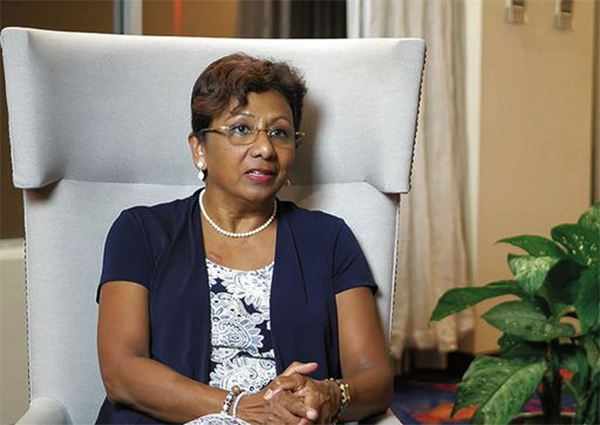



Dear Editor: While I agree with you that all members of the Commission of which Bliss Seepersad was the chairperson should also be held accountable and fined, I think that position, for several reasons, is secondary to the relevance and importance of the Judgment.
Seepersad was a political/cabinet appointee….as was everyone on the commission and from my experience of these organisations, the chairperson comes to meetings with instructions from the cabinet or the line minister. There will be discussions but at the end of the day those instructions as communicated by the chairperson carry.
Persons in similar positions would have been responsible for ensuring such to the extent of reconstructing the minutes accordingly, which I have seen happen.
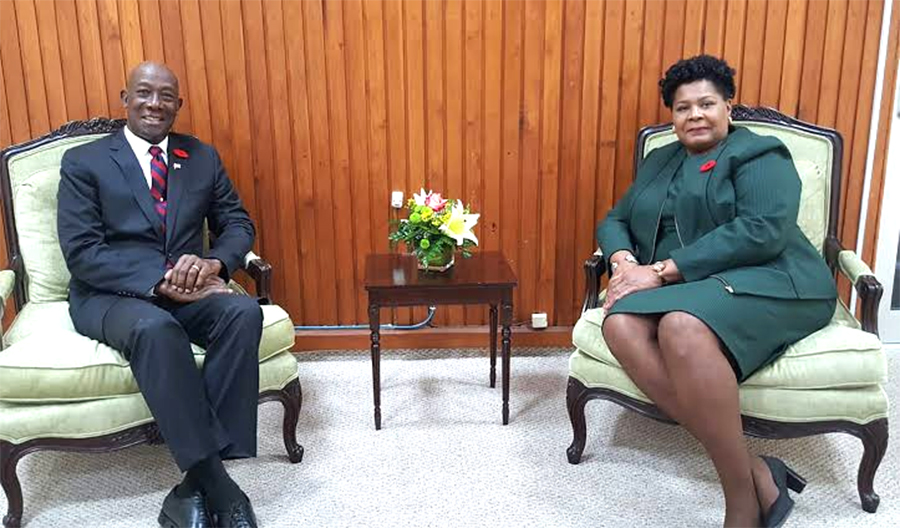
The burden of responsibility for the decision therefore rests squarely with the person, in this case, Ms Seepersad, who was the chairperson and who would have come to the meeting with instructions which other appointees on the commission had to follow.
The decision is a milestone one and brings to mind a similar one at the Nuremberg trials in which those in the position of leadership were penalised for the crimes committed.
The immunity enjoyed by members of cabinet should not be made available to those like Ms Seepersad who voluntarily submitted to a role of service to the cabinet that appointed her, and all that goes with it. In fact, in my opinion, it should have carried much more than the fines imposed on her by the Court.
She is the equivalent of those who sat as the accused in the Nuremberg trials and gave the orders for others below them to follow. Immunity protects the members of cabinet but it does not protect her. That should be a lesson to all persons who are appointed by cabinet – or worse just one particular minister – and see their role as being one of service to the cabinet; or even worse, one of service to one particular minister.
Eugene Reynold,
Diego Martin
