





“Water, water, everywhere,
Nor any drop to drink.”
— Samuel Taylor Coleridge, The Rime of the Ancient Mariner, first published in 1798.
History has demonstrated that water shortages, prolonged droughts and inequitable access to essential resources can generate widespread discontent and, in extreme circumstances, civil unrest.
Humanity has learnt a great deal from the past in science, technology and other fields of endeavour, yet continues to struggle to apply historical lessons to politics, economics and human behaviour. Regrettably, it appears that some of our leaders have not learnt sufficiently from our own history.
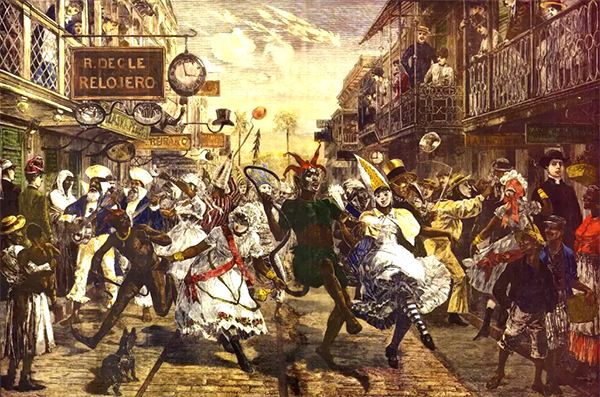
The Canboulay Riots occurred in February 1881 in Port of Spain and again in February 1884 in San Fernando and Princes Town. The British colonial authorities sought to restrict Afro-Trinidadian Carnival traditions, including drumming, stickfighting and the carrying of lighted torches (flambeaux).
Canboulay, derived from the French cannes brûlées, meaning burnt cane, became an expression of cultural identity, resistance and freedom among the formerly enslaved population. The colonial authorities, citing concerns about public safety and public order, attempted to suppress these celebrations, provoking violent confrontations.
The lesson should not be lost on our contemporary leaders. Culture must not be unnecessarily suppressed, and this includes calypso, which has historically served as a vehicle for social commentary, political criticism and the expression of public dissatisfaction.
Freedom of expression is not a privilege to be enjoyed only when the message is pleasing to those in authority.
The lessons of 1903
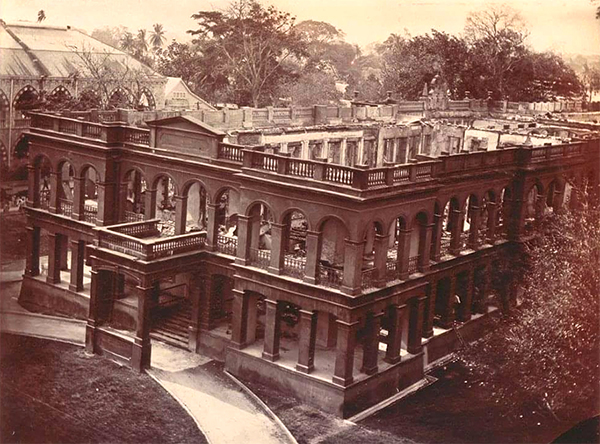
On March 23, 1903, Port of Spain witnessed the infamous Water Riots, during which protests against a proposed waterworks ordinance escalated into violent confrontation and the destruction by fire of the Red House.
The colonial government’s proposals concerning water charges, metering and distribution generated considerable opposition. Many residents regarded the measures as an infringement upon their access to a basic necessity. The Ratepayers’ Association, with prominent figures such as Emmanuel Mzumbo Lazare, organised opposition to the proposed legislation.
What began as a dispute over water became one of the most significant episodes of civil unrest in our country’s colonial history.
More than 123 years later, are we sufficiently sensitive to the grievances of citizens experiencing difficulties in accessing a reliable supply of potable water?
The recent introduction of nationwide water-use restrictions by the Water and Sewerage Authority (WASA), amid concerns about reduced rainfall associated with El Niño, should prompt serious consideration of our water security and the adequacy of our distribution infrastructure.
Conservation measures may be necessary, but they must be accompanied by effective management, equitable distribution, transparent communication and a genuine appreciation of the hardships experienced by affected communities.
It would be unfortunate if complaints from certain communities were dismissed as insignificant or regarded merely as attempts by the Opposition to score political points.
Water has no political affiliation. Neither thirst nor hardship distinguishes between supporters of the UNC and the PNM.
Responsible governance requires that emerging problems be addressed before they escalate. The longer legitimate grievances remain unresolved, the greater the potential for frustration, resentment and the erosion of public confidence.
The dangers of political complacency
We said it before and, in the circumstances, hasten to repeat it.
Prior to the 2025 General Election, we expressed the view that it would have been in the country’s best interest if neither of the two major political parties secured more than 23 parliamentary seats.
Our concern was that an overwhelming parliamentary majority could encourage excessive executive dominance and weaken the effectiveness of democratic checks and balances.
The UNC subsequently secured 26 of the 41 seats in the House of Representatives, giving it the numerical strength to satisfy the three-fifths voting threshold in that chamber required for certain legislation under Section 13 of the Constitution, although approval by the requisite majority in the Senate is also necessary.
Constitutional amendments are governed separately by Section 54, with certain entrenched provisions requiring two-thirds or even three-quarters majorities in the House of Representatives, together with prescribed majorities in the Senate.
We pensadores are not oracles, but we endeavour to be pragmatic and analytical in our assessment of political and human behaviour.
A vigilant, diligent and united Opposition, supported by an informed citizenry and independent institutions, remains essential to democratic governance.
An electoral mandate is not a licence to exercise power without restraint. Neither should a parliamentary majority be interpreted as an entitlement to disregard legitimate criticism or public dissatisfaction.

Governments of every political persuasion must resist the temptation to substitute attractive promises, political rhetoric and distractions for substantive solutions to national problems.
Remembering history is not enough
Preventing the mistakes of the past requires converting historical hindsight into enduring institutional safeguards.
Merely commemorating historical events does little to prevent their recurrence. Meaningful change requires effective laws, sound policies, institutional accountability and mechanisms through which citizens can express their concerns without fear of intimidation or retaliation.
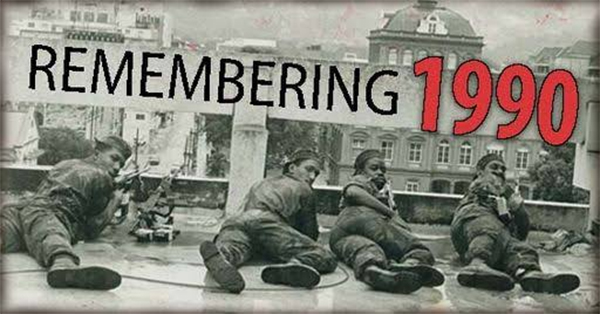
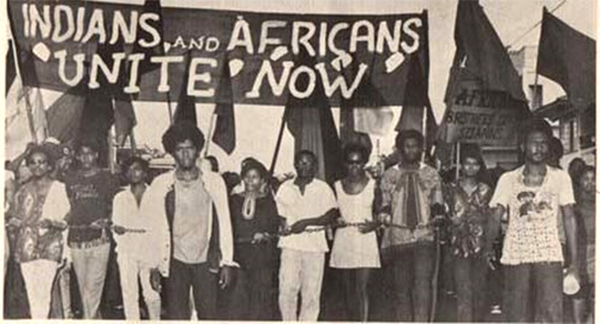
The Canboulay Riots, the 1903 Water Riots, the 1937 labour uprising in Fyzabad, the Black Power uprising and associated military mutiny of 1970, and the attempted coup of 1990 should have taught us the dangers of complacency.
These events arose from different circumstances and cannot be treated as identical. Nevertheless, they collectively demonstrate that political and social stability must never be taken for granted.
Too often, we reassure ourselves in our familiar local parlance:
“Dat ain’t go happen here.”
History has repeatedly challenged such assurances.
Fast-forward to the present. Citizens continue to express concerns about water shortages, restrictions on daily life, states of emergency, the cost of food, unemployment and crime.
It is imperative that we wake up and smell the coffee before these concerns further undermine public confidence in our institutions.
Let us ask ourselves, quite seriously: Is the campaign slogan, “When UNC wins, everybody wins,” being translated into tangible improvements in the lives of ordinary citizens, or will those words ultimately be left blowing in the wind?
The overwhelming majority of Trinbagonians desire peace, security and a better standard of living. They want to provide for their families, educate their children, secure meaningful employment and enjoy the fruits of their labour.
Their patience and peaceful disposition must never be mistaken for indifference, acquiescence or unconditional acceptance of government policy.
No administration should assume that because citizens have previously tolerated hardship, they will indefinitely accept deteriorating circumstances. Equally, citizens must pursue their grievances through peaceful, lawful and democratic means.
The responsibility of leadership is not merely to respond to crises after they emerge but to recognise and address the conditions that may produce them.
Prevention is invariably less costly than crisis management.
We respectfully advise our leaders to listen attentively, govern compassionately, exercise authority responsibly and address legitimate grievances before they become entrenched sources of national discontent.
History need not repeat itself, but preventing its recurrence requires wisdom, humility and foresight.
As the old adage reminds us, nip the problem in the bud.
