





Recent government pronouncements have left me wondering whatever happened to root cause analysis and, more importantly, taking corrective action based on its findings.
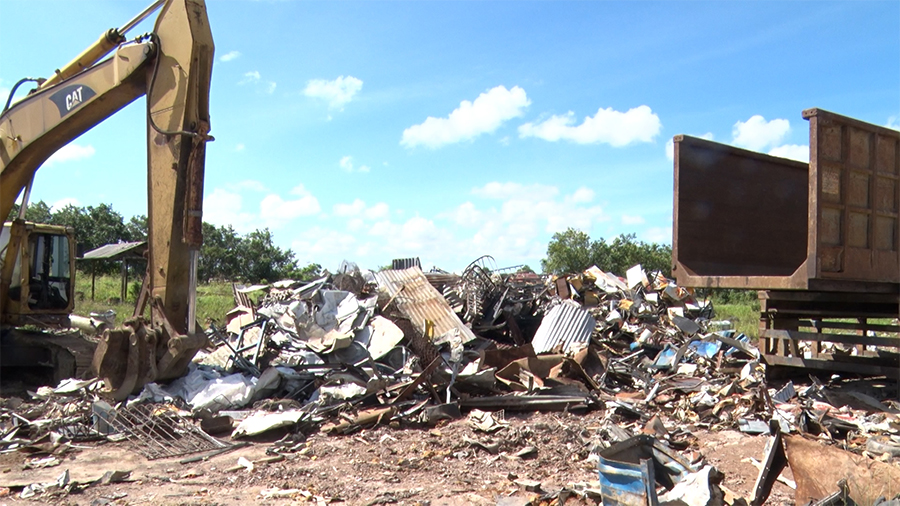
Consider the proposed ban on scrap metal exports because certain State properties are reportedly being vandalised. Is banning exports really the solution? Have we identified who is responsible, how stolen material is obtained, who purchases it and what weaknesses exist in our monitoring and export-control systems?
Why should legitimate scrap-metal operators and thousands of ordinary workers bear the consequences of the criminal activities of a few?
A more sensible approach might be tighter export controls, proper documentation, traceability, inspections and severe penalties for those involved in stealing and purchasing stolen material.
Another example is the reported imposition of fines on motorists whose names do not appear on their vehicle insurance certificates. Has anyone properly considered the inconvenience and implications for the wider population, particularly where vehicles are legitimately driven by family members or other authorised persons?
These are examples of why proper research, consultation and root cause analysis must precede sweeping government announcements.
BUT HERE IS AN OPPORTUNITY THAT COULD TRANSFORM OUR ECONOMY!
Why aren’t we seriously exploring the development of an international ship-recycling industry in Trinidad and Tobago?
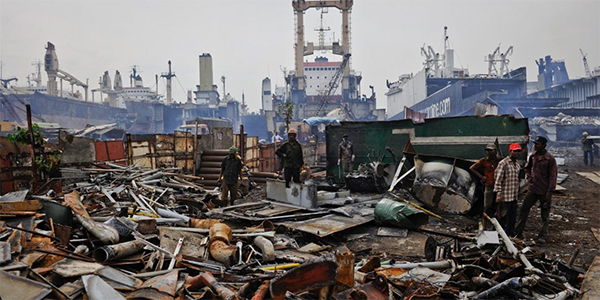
Look at India, particularly its Alang ship-breaking industry in Gujarat. India has developed a major ship-recycling enterprise, recovering millions of tonnes of steel annually from retired vessels and supplying its various steel mills and manufacturing industries.
Think about that!
The steel recovered from these vessels becomes valuable industrial raw material. Rather than importing all the raw materials required by its industries, India recovers and reuses enormous quantities from ships that have reached the end of their useful lives.
Why can’t Trinidad and Tobago develop a similar industry?
We have an industrial history, maritime experience, an established energy sector and the ambition to develop our iron and steel manufacturing capacity.
Imagine old, abandoned and decommissioned ships arriving here for environmentally responsible dismantling.
The possibilities are enormous:
1. Generate substantial foreign exchange from international ship-recycling contracts and exports of recovered materials.
2. Create thousands of direct and indirect employment opportunities, particularly for people lower down our economic ladder.
3. Supply recovered steel to our own iron and steel plants, reducing dependence on imported raw materials.
4. Export surplus recovered steel and other reusable materials.
5. Clean up abandoned vessels and obsolete metal, improving our environment.
6. Develop new businesses in transportation, engineering, logistics, equipment maintenance and maritime services.
7. Diversify our economy away from its traditional dependence on oil and gas.
WHY ARE WE NOT MARKETING THIS OPPORTUNITY INTERNATIONALLY?
This will not happen by sitting in government offices waiting for investors to knock on our doors.
Those in authority must get off their backsides and actively sell Trinidad and Tobago to the international maritime industry.
We should be approaching major international shipping companies, shipowners, marine insurance companies, Lloyd’s of London, British and American maritime interests, Panamanian shipping companies and other major international stakeholders.
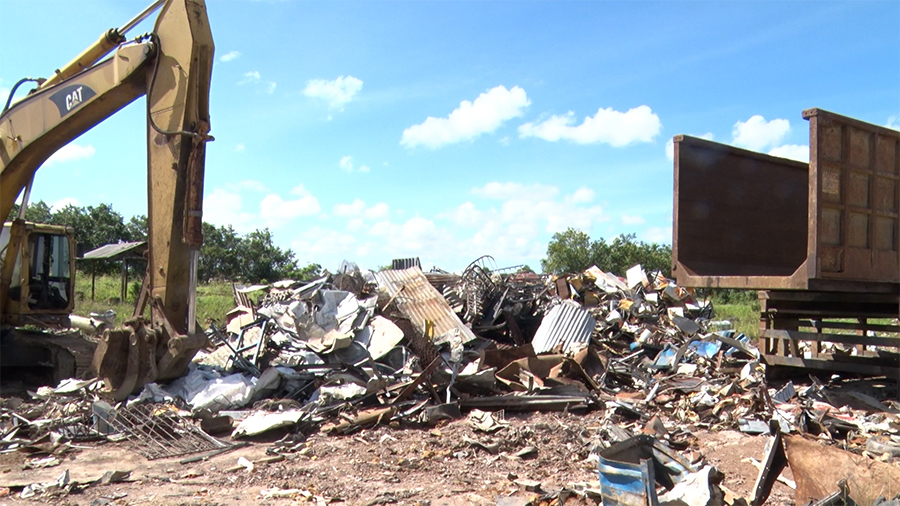
the growing wave of copper theft and vandalism targeting critical public infrastructure
across the country
We should be advertising in international shipping and insurance journals, attending maritime investment conferences and using international media, including CNN, to promote Trinidad and Tobago as a potential ship-recycling destination.
We must sell our geographical location, industrial infrastructure, workforce and potential to become a major regional ship-recycling hub.
This requires attractive investment incentives, transparent regulations, dedicated facilities and internationally recognised environmental and occupational safety standards. We must learn from India’s successes while ensuring that our own industry meets the highest environmental and worker-safety standards.
THIS IS ABOUT MUCH MORE THAN SCRAP METAL. IT IS ABOUT FOREIGN EXCHANGE!
At a time when Trinidad and Tobago is struggling with foreign-exchange availability, why aren’t we aggressively pursuing an international business that could bring substantial foreign currency into our economy?
We continually complain about unemployment, declining industrial activity, import dependence and the need to diversify. Here is an opportunity that could address several of these problems simultaneously.
Why must we continually reinvent the wheel when other countries have already developed successful models? There is absolutely nothing wrong with shamelessly adopting successful international models and adapting them to our circumstances.
Government must move beyond announcements, prohibitions and penalties. We need research, root cause analysis, consultation, international marketing, investment promotion and measurable results.
The world has thousands of ageing vessels requiring responsible disposal. Why should Trinidad and Tobago not compete for a share of this international business?
INVESTMENT DOES NOT ALWAYS COME LOOKING FOR US. SOMETIMES WE HAVE TO GO LOOKING FOR INVESTMENT.
India is not going to surrender this business without a fight. It has invested decades in developing its ship-recycling industry and will defend its position in the international market. We will have to compete aggressively for our share of this business.
We must be prepared to do the necessary homework, attract international investors, establish the infrastructure, offer competitive investment conditions and demonstrate that Trinidad and Tobago can become a serious player in this industry.
Nobody is going to hand us this business on a silver platter.
ARE WE PREPARED TO DO THE NECESSARY DIGGING, COMPETE FOR THE INVESTMENT AND FIGHT FOR THIS OPPORTUNITY?
OR ARE WE ONCE AGAIN WAITING FOR ANOTHER OPPORTUNITY TO FALL INTO OUR LAPS?
ARE WE UP TO THE CHALLENGE, TRINIDAD AND TOBAGO?
Gordon Laughlin,
Waetmoorings
