


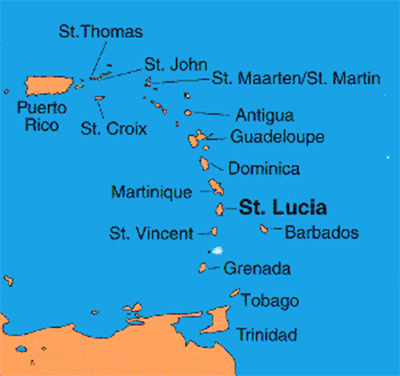



Governments in Saint Lucia, Saint Vincent and the Grenadines, and Barbados are continuing efforts to ease the impact of high food and fuel prices, as the cost of living remains a concern across the Eastern Caribbean.
Although global inflation has cooled since the surge following the Russian invasion of Ukraine, prices for basic goods and transportation remain elevated in many parts of the region, reflecting the Caribbean’s heavy dependence on imports.
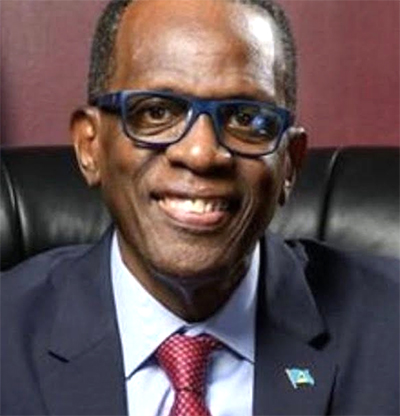
In Saint Lucia, Prime Minister Philip J. Pierre’s administration has maintained price controls on selected essential items and adjusted taxes on key imports in an effort to limit price increases for consumers. The measures are aimed at directly reducing pressure on household budgets.
In neighbouring St Vincent and the Grenadines, the Prime Minister Godwin Friday has taken a different approach, focusing on raising wages and supporting incomes rather than broad price controls. The government has moved to increase minimum wages to help workers manage higher living costs.

Barbados, under Prime Minister Mia Mottley, has emphasized social protection and economic stability, expanding support for vulnerable households while maintaining broader fiscal measures to support the economy.
Across the Organisation of Eastern Caribbean States, governments have used a mix of tax adjustments, targeted subsidies and social support programmes to cushion the impact of inflation.
However, economists note that the region’s reliance on imported food and fuel continues to limit how much governments can control prices.
Despite policy efforts, the cost of living remains a key issue for households, underscoring the ongoing challenge facing small island economies exposed to global price shocks.
Caribbean NewsFluencers
