





Dr. Jack Austin Warner, Former Minister of National Security
What are we to believe now?
What explanation will the Commissioner Allister Guevarro offer? What carefully worded statement will DCP Suzette Martin deliver to a nation that is no longer merely anxious, but wounded, humiliated, and enraged?
For months, we have been told to trust the system. We have been urged, even cajoled, into believing that the police were regaining control, that the State of Emergency was working, and that the tide of crime was turning. We were fed assurances, statistics, and narratives of progress. We were told to hold the line, and we’re seeing this now.
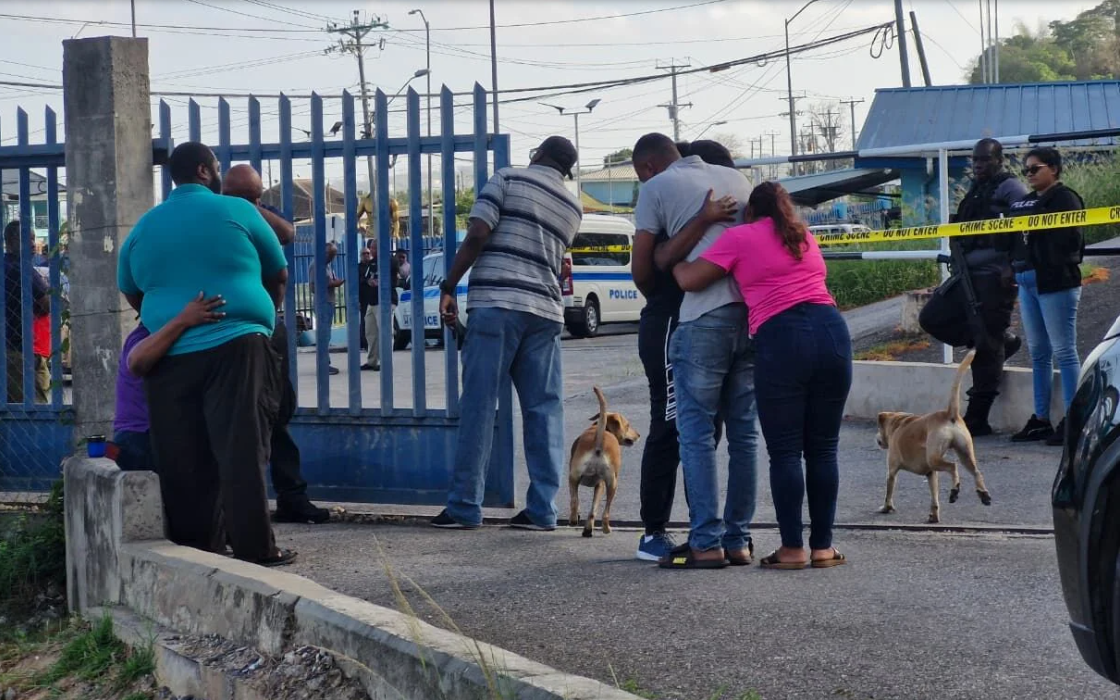
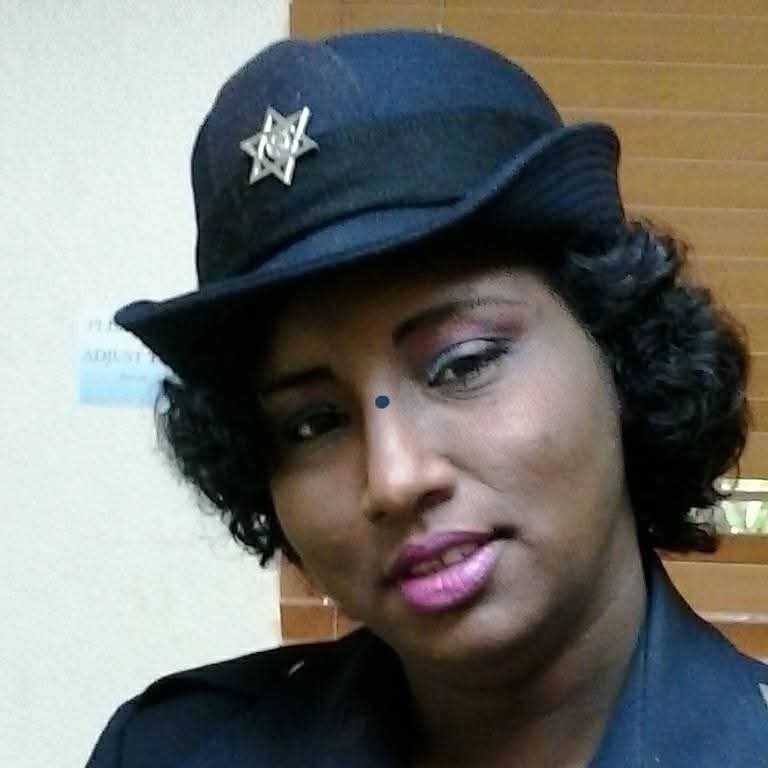
A police station, supposedly one of the most secure spaces in the country, has been violated; not breached, not tested, but violated. A female officer, Acting Corporal Anusha Eversley, is dead. A cache of weapons, Glocks, shotguns, rifles, and thousands of rounds of ammunition has vanished into the criminal underworld.
This was not a home invasion. This was not a robbery in the night of some unsuspecting family. This was an invasion of the State itself. The very institution entrusted with protecting citizens has been exposed as porous, penetrable, and fatally compromised, and still, we are expected to believe that things are under control. That the fear of crime is more damaging than crime itself
This is not just another crime statistic, Mr Commissioner; Madam DCP. This is not a line item in a weekly briefing. This is a moment of national rupture, because when criminals can enter a police station, kill an officer, and walk away with an arsenal, the message is clear: there is no safe space left in Trinidad and Tobago.
What does the State of Emergency mean now? What does it mean when the extraordinary powers granted to law enforcement cannot even secure their own strong rooms? What does it mean when the Government, which boasted that it had solutions, now presides over a reality more chaotic and dangerous than before?
We are not dealing with ordinary lawlessness anymore. This is systemic failure, deep, structural, and undeniable, and yet, the most galling part of this tragedy is not just the act itself; it is the deafening silence that follows. The instinct to manage perception rather than confront truth. The temptation to issue platitudes instead of accountability. The reflex is to reassure rather than to reckon, but this country is past reassurance.
We are tired
We are tired of being told that progress is being made when our lived reality tells us otherwise. We are tired of being treated as if we cannot see what is unfolding before our eyes. We are tired of a governance culture that equates narrative with results.
A police officer is dead, not on patrol, not in pursuit of criminals, but inside a police station. That fact alone should shake this nation to its core. It should provoke outrage at every level of leadership. It should trigger an immediate, transparent, and uncompromising investigation, not just into the perpetrators, but into the systems that allowed this to happen, because this did not occur in a vacuum.
Weapons do not simply disappear from a strong room without failure, whether through negligence, complicity, or both. Security does not collapse overnight without warning signs. Institutions do not become this vulnerable without years of erosion.
So, we must ask the questions that no one seems eager to answer. Who is responsible for securing that facility? What protocols failed? What warnings were ignored? What culture allowed such a breach to be possible? And perhaps most importantly of all: why should the public trust a system that cannot protect itself?
This is the crisis we now face: not just crime, but the collapse of confidence. Not just violence, but the growing belief that the State is losing its grip.
If this moment is met with spin, with deflection, with the same tired script of “we are investigating,” then the damage will go far beyond this single tragedy. It will cement a perception that leadership is either unwilling or incapable of confronting the scale of the problem, and that is how nations unravel: not in a single event, but in the steady accumulation of failures that are never honestly addressed.
Trinidad and Tobago is hurting. Our people are angry and afraid, and we are watching.
This is not the time for careful words. It is time for truth.
