





By Peter Green
Governments facing labor unrest usually have two choices: lower the temperature or pour fuel on the fire.
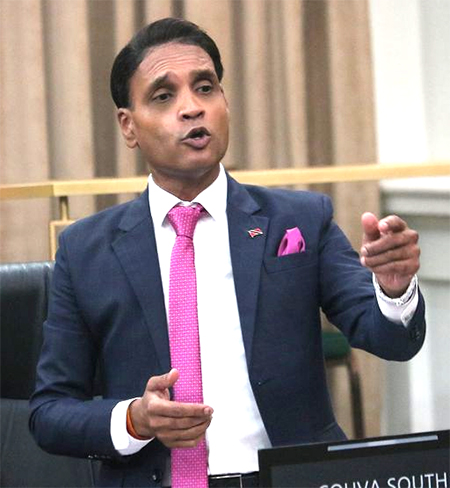
Unfortunately, Minister Barry Padarath’s response to the nurses’ association appears to have done the latter.
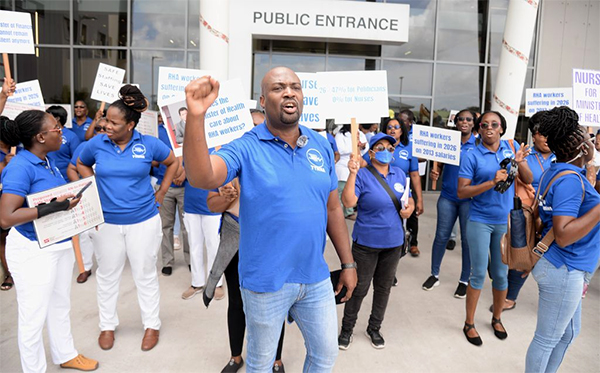
At a time when healthcare workers are raising concerns about stagnant salaries, stalled negotiations ahead of the June 15 Mid-Year Review, and restrictions on protest activity during the State of Emergency, many expected the Government to calm tensions and provide clarity. Instead, the national conversation took a sharp and dangerous turn.
In defending the Government’s position, Padarath claimed the actions and threats coming from unions were being driven by what he described as “hatred for the UNC, racism and prejudice.”
Those are not small accusations.
In a country like Trinidad and Tobago, where politics and race have often collided in unhealthy ways, public officials should be extremely careful about introducing that kind of language into an already tense national discussion. Words matter. Once those fires are lit, they are not easily controlled.
And many citizens listening to the exchange would have noticed something else.
The idea of protesting outside politicians’ homes did not suddenly appear overnight. The Trinidad and Tobago National Nurses’ Association itself referenced past demonstrations by other unions, including the Oilfields Workers’ Trade Union, which used similar tactics years ago. Controversial? Yes. Uncomfortable? Certainly. But new? Not at all.
That is why the Government’s response feels inconsistent to some people.
If this form of industrial pressure existed before under previous administrations, why is it now being framed as evidence of racial hostility or political conspiracy?
To be clear, protesting outside private homes is not something most citizens would encourage. Public officials have children, spouses, elderly relatives, and neighbours who should not feel intimidated because of political disputes. Reasonable people can agree on that without difficulty.
But there is still a major difference between condemning a tactic and condemning the motives of the people behind it.
Right now, nurses and healthcare workers are not asking for luxury. They are asking basic questions that thousands of working citizens across this country are quietly asking themselves every day.
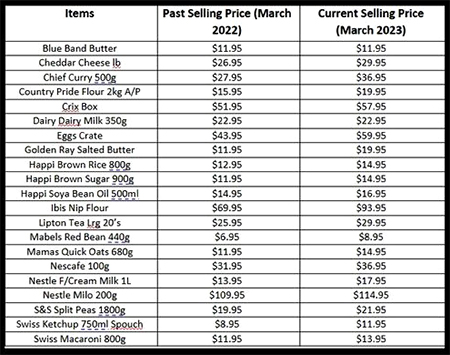
After years of rising food prices, inflation, economic strain, and the emotional exhaustion left behind by the pandemic years, where do they stand financially? Will there finally be movement on salaries? Will the Mid-Year Review bring relief or more uncertainty?
Those are legitimate concerns.
And this is where the Government may be making a serious political mistake.
When people feel unheard, they become louder. When workers feel dismissed, frustration grows. But when leaders begin responding to labour unrest by suggesting hidden racial motives or political sabotage, the public often starts wondering whether the real issue is being avoided altogether.
Healthcare workers carried this country through one of the most difficult periods in modern history. They worked through fear, exhaustion, overcrowded hospitals, staff shortages, and emotional trauma while the rest of the population depended on them to hold the healthcare system together. Many of them now feel that when they raise concerns about wages and working conditions, they are being treated less like professionals and more like political enemies.
That perception is dangerous for any government.
The smarter approach would have been simple, meet with TTNNA president Idi Stuart, clarify the Government’s wage position ahead of the review, acknowledge public frustration, and lower the political temperature before the situation escalates further.
Because in the end, this national conversation should never become a debate about race, tribal loyalty, or political enemies.
It should remain focused on a far simpler question: whether the people who keep Trinidad and Tobago’s healthcare system functioning still feel valued by the country they continue to serve.
And a Government that begins seeing every expression of frustration as political hostility eventually risks losing the ability to hear the people it was elected to represent.
