






By FRANCIS JOSEPH
Seventy-one years after a woman was hanged in the United Kingdom for murder, the King has granted a conditional pardon to her.
But did the pardon exonerate her from the guilty verdict which led to her execution? The answer is NO. Although the British Government recommended that a conditional pardon be granted, it stated that it does not erase the fact that she was guilty of killing her abusive lover.
That was made quite clear by Deputy British Prime Minister, David Lammy, in the House of Commons on Wednesday. The woman’s family sat in the public gallery in Parliament to hear the matter and while the pardon does not bring back their relative, their campaign over the years has given them satisfaction.
THE HANGING
Ruth Ellis was hanged at London’s Holloway Prison in 1955 after being convicted of murdering her lover, David Blakely.
Her family campaigned for her murder conviction to be overturned, arguing she was a victim of domestic abuse and was physically and emotionally abused by Blakely before shooting him.
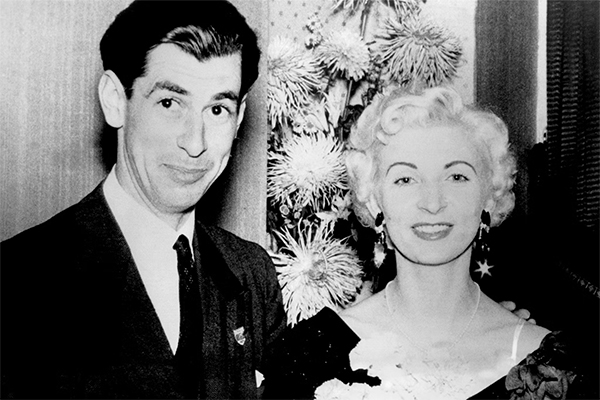
Deputy Prime Minister Lammy told MPs that King Charles had granted the pardon, adding: “While the pardon does not claim she was innocent of killing David Blakely, it replaces the death penalty with a sentence of life imprisonment to recognize a profound injustice in this exceptional case.”
Ellis, from Rhyl, Denbighshire, shot Blakely outside The Magdala pub in Hampstead, London, following a tumultuous relationship involving infidelity on both sides.
Ellis had an abortion, which was illegal in the United Kingdom at the time, and was physically abused by Blakely – including being punched in the stomach during an argument that led to a miscarriage.
The judge told the jury in her case to disregard the fact that the mother-of-two had been “badly treated by her lover” as a defence. The case occurred two years before legal changes saw diminished responsibility introduced as a defence.
On Wednesday in the House of Commons, Labour MP Pam Cox asked Lammy, MP for Tottenham, for the pardon on behalf of her grandchildren, who were watching proceedings from the public gallery. She said: “Ruth Ellis was the last woman to be executed in this country.
“Her case serves as a haunting reminder of a time when our justice system ignored the realities of domestic abuse and coercive control.
“In the decades since, members of Ruth’s family and supporters have campaigned unwaveringly for her to receive a posthumous pardon.
“Will the deputy prime minister agree with me that their courageous campaign, and the terrible lessons of Ruth’s case, must strengthen the government’s resolve to free women from devastating cycles of abuse?”
Lammy responded: “I have the honour to say that His Majesty the King has accepted our advice to grant Ruth Ellis a conditional pardon, the last woman to be hanged in the United Kingdom.
“While the pardon does not claim she was innocent of killing David Blakely, it replaces the death penalty with a sentence of life imprisonment to recognise a profound injustice in this exceptional case.”
He added: “We hope this brings a measure of peace to Ruth Ellis’ family, who have carried the weight of what happened to her for over 70 years.”
