


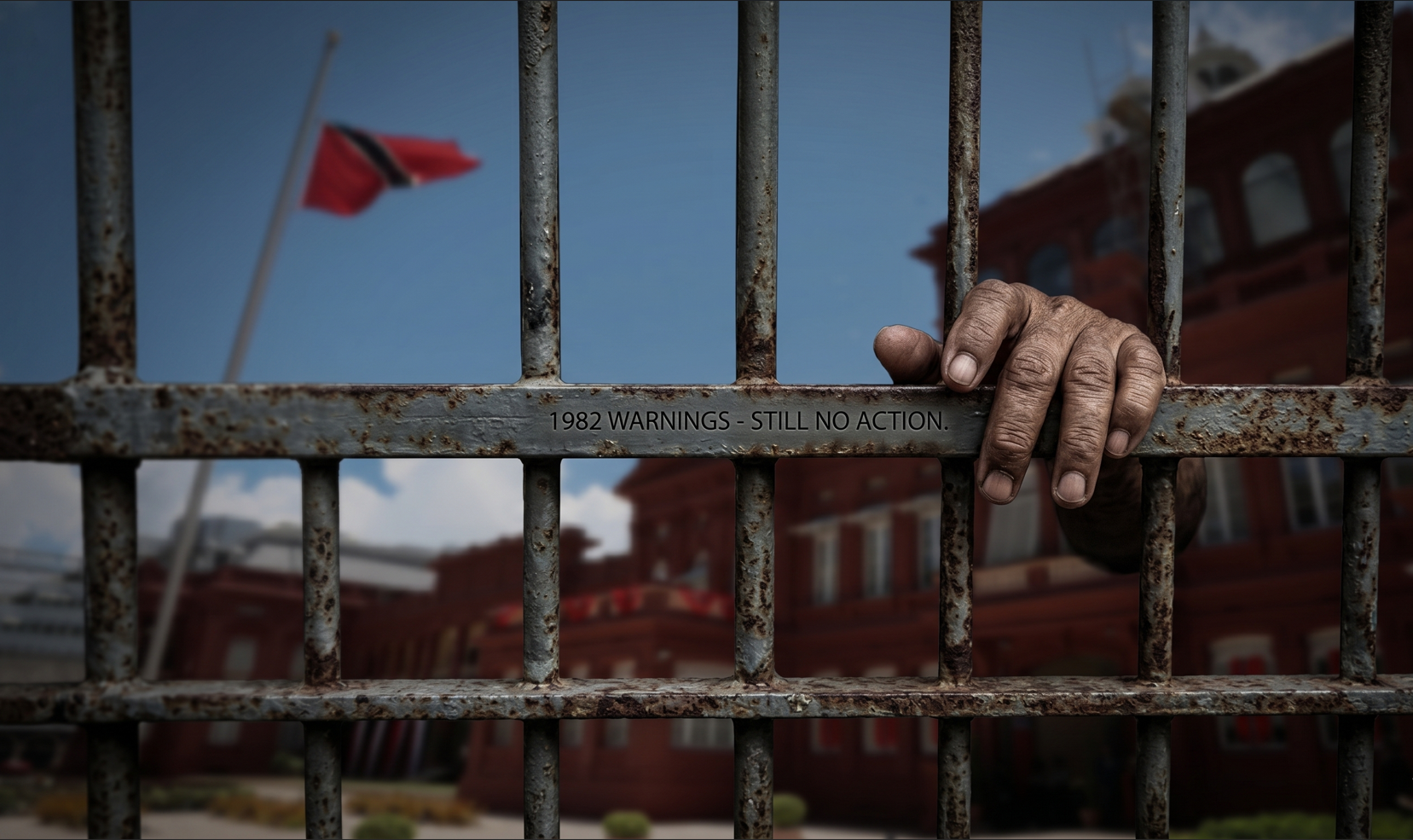



“Histories make men wise,” wrote Francis Bacon. In Trinidad and Tobago, it seems we prefer to remember history only long enough to ignore it.
In December 1982, one of our pensadores, a former professor and lecturer, issued a warning that now reads like an indictment. He asked a simple but uncomfortable question: When the time comes to account for our contribution to improving the quality of life in this country, what will we say? His answer was damning—many would claim they spoke out, only to be dismissed as troublemakers and rabble-rousers.
He did not stop there. He wrote of being “horrified” by the conduct of parliamentarians, describing arrogance, poor manners, and open contempt for the opposition. That was 1982.
Fast forward to 2026, and the picture is not just unchanged—it is worse. Today’s Parliament too often resembles a street quarrel rather than the highest forum of national debate. Threats, insults, and crude exchanges have become routine.
Statements like “Don’t point at me or I will cuff you down” are not slips—they are symptoms of a deeper rot. This is what leadership looks like? This is what we present to a nation already struggling with discipline and respect?
The same 1982 article warned about rising crime, noting that citizens were being forced to “cage ourselves in our homes and cars” and impose curfews on their own families. Forty years later, that is still the reality. The difference is that the fear is now more widespread, more entrenched, and more dangerous.
So let us stop pretending. This is not stagnation. This is decline.
After one year in office, the government must face scrutiny—not applause. The slogan, “When UNC wins, everybody wins,” now rings hollow. Who, exactly, is winning? Certainly not the citizens who continue to live behind burglar-proof bars, nor the young people facing limited opportunities, nor the businesses struggling in an uncertain economy.
Where are the results? Where is the measurable progress on crime? On employment? On economic stability? Talking points and political spin cannot substitute for governance. The country is not short on speeches—it is short on solutions.
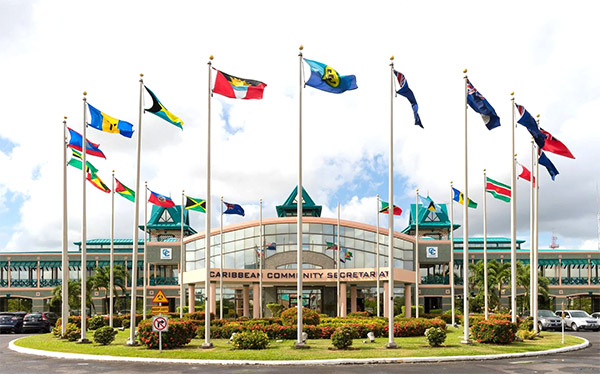
Foreign policy offers little reassurance. Relations with Venezuela are strained, CARICOM ties appear unsettled, and there is a growing impression that blind faith in alignment with the United States is being treated as strategy. It is not. No serious country outsources its diplomacy or substitutes slogans for statecraft.
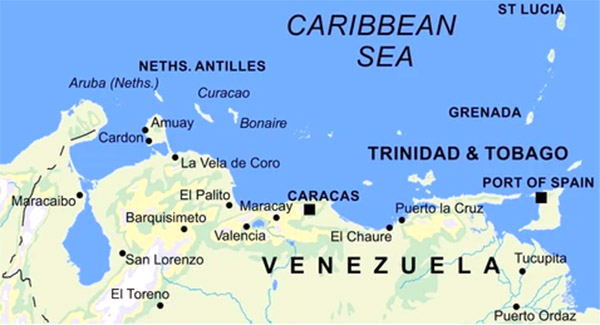
And then there is the silence on key questions. What is the real status of our relationship with Venezuela? Where do we stand on regional obligations? Why has the government been so reluctant to engage independent experts, many of whom are ready and willing to contribute? Is competence being sacrificed on the altar of political loyalty?
On April 25, the Prime Minister will address the nation to mark one year in office. The timing is convenient. The expectations are not. Citizens are not waiting for celebration—they are waiting for answers.
Enough with the rehearsed optimism. Enough with the excuses. Enough with the performance.
The warning was issued in 1982. It was clear then, and it is undeniable now: a nation that refuses to learn from its past condemns itself to repeat it—only in worse form.
If this government cannot change course, then it must at least be honest about where the country is heading.
Because right now, Trinidad and Tobago is not moving forward.
It is drifting—and dangerously so.
