





Jesus Christ did preach spiritually, yes, but he didn’t exactly “stay out” of power structures. He avoided leading a political revolt against Roman Empire, but he still challenged authority in ways that had political consequences. For example, his actions in the Temple, driving out money changers, directly confronted a system tied to both religious and political leadership. His teachings about justice, hypocrisy, and the treatment of the poor were sharp critiques of those in power, including the Pharisees.
He also famously said “render unto Caesar what is Caesar’s,” which suggests a distinction, not total separation, between spiritual and political life. It’s less “stay out completely” and more “don’t confuse the mission.”
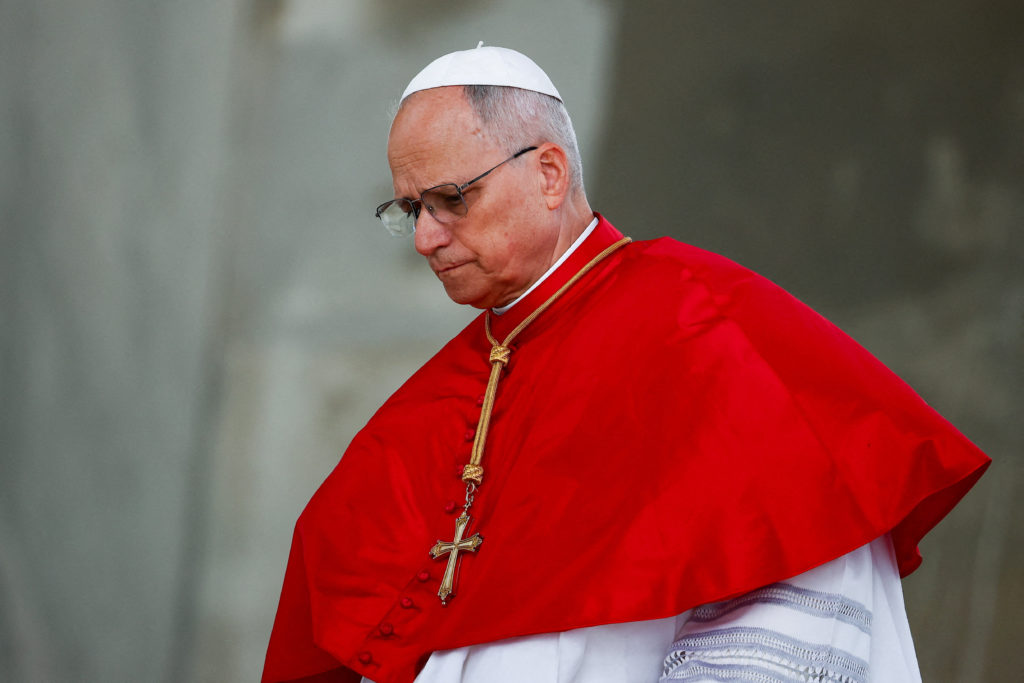
As for the Pope, the role itself has evolved. The Pope isn’t just a preacher; he’s also a global moral voice. When Popes speak on issues like poverty, war, or justice, they often see it as part of applying Gospel principles to real world conditions, not partisan politics, but moral guidance.
So the real tension isn’t whether the Pope should speak at all, it’s where to draw the line between moral leadership and political involvement. That line has always been debated, even within Christianity itself.
Gordon Laughlin
