



By Joey Bartlett
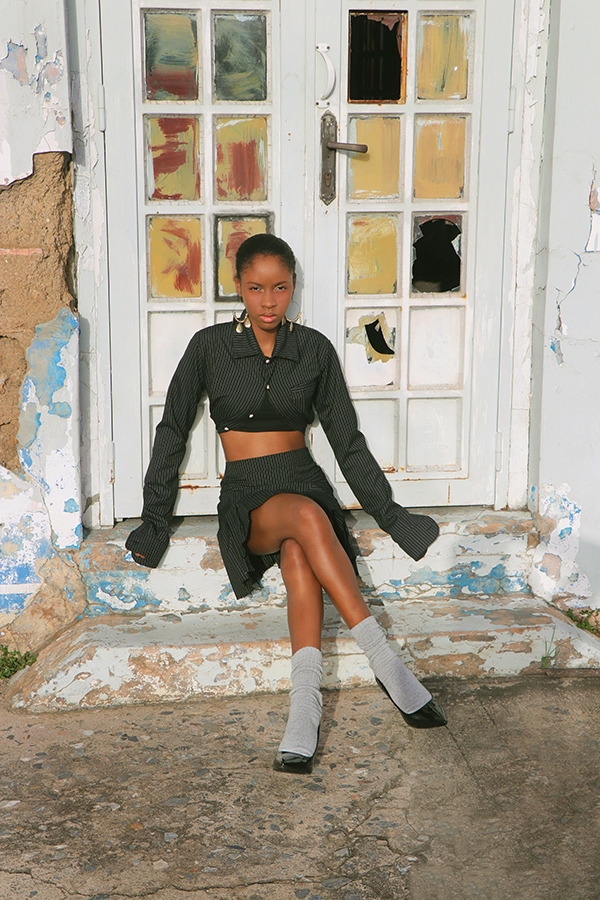
Model: Angel Alexander
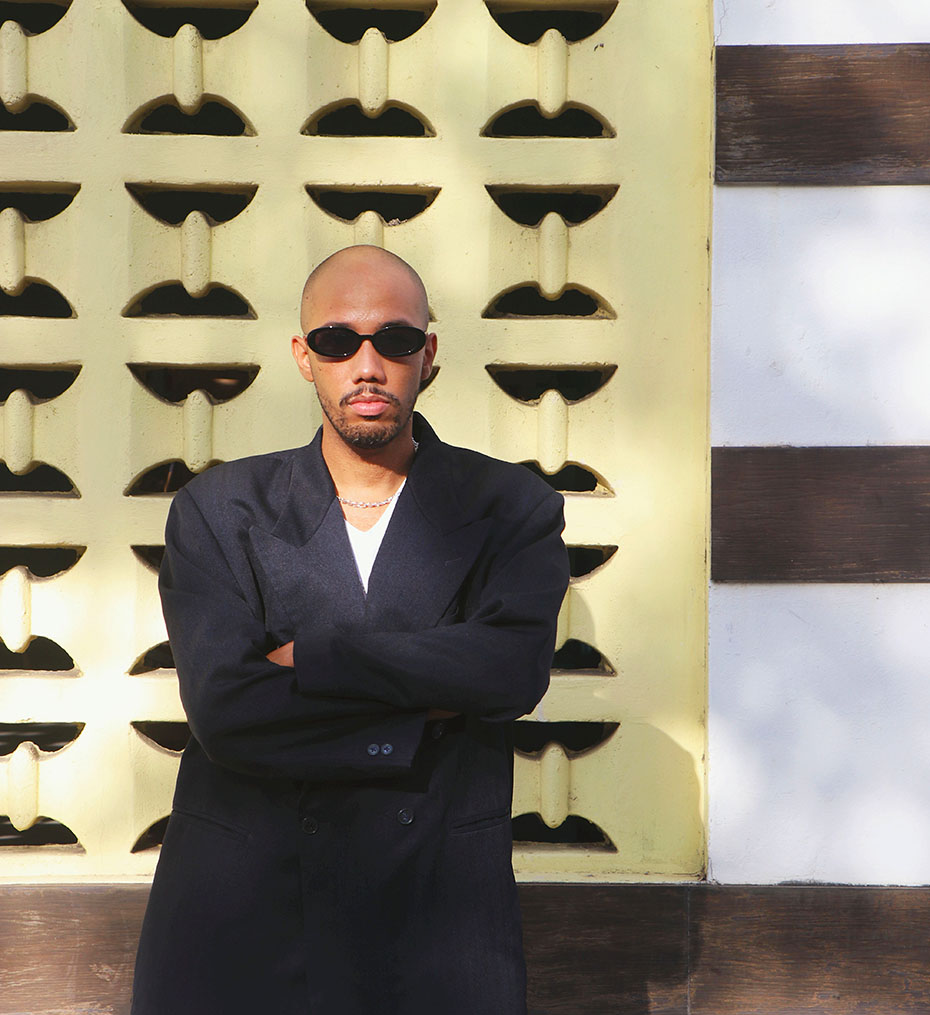
Inclusivity has become a buzzword in fashion, but for designer Kambe Lovelace, it is not performative. It is part of the ethos of his self-funded brand, Kambe the Brand, as he steadily charts his own path through Trinidad and Tobago’s evolving fashion landscape.
Lovelace’s avant-garde designs are the result of years of development, and the brand’s move into retail was anything but rushed.
“In 2015 I’d say [the brand was created]. However, I officially started retailing in 2024,” Lovelace told Sunshine Today.
That near-decade-long incubation period speaks to an approach rooted more in intention than impulse. For Lovelace, fashion was never a fleeting interest. It was always a dream, having grown up around fashion and believing his work could offer a distinctive perspective.
Turning that perspective into a functioning business, however, required more than vision. Like many independent designers, Lovelace faced challenges with production and funding.
Many of his designs begin in his bedroom, develop in his studio and are produced by local manufacturers, although he continues to contribute directly to certain pieces. The hands-on approach results in limited runs and gives each release a sense of exclusivity.
Asked to define Kambe the Brand, Lovelace keeps it simple.
“Cool, fun, polished and street.”
The description reflects the balance at the centre of his work: clothing that is accessible while maintaining a sense of play. His philosophy is equally direct: “Don’t be afraid to challenge, stand out and be excessive.”
“My unique voice and storytelling translate to model selections, campaigns, content creation and branding. It portrays a cool but very ‘fashion’ perspective.”
Collaboration is also central to his process. Lovelace works with emerging creatives, photographers, videographers and models whose sensibilities complement his own. The result is a brand that, regardless of its cut, style or flair, remains unapologetically Trinbagonian.
Local roots, global references
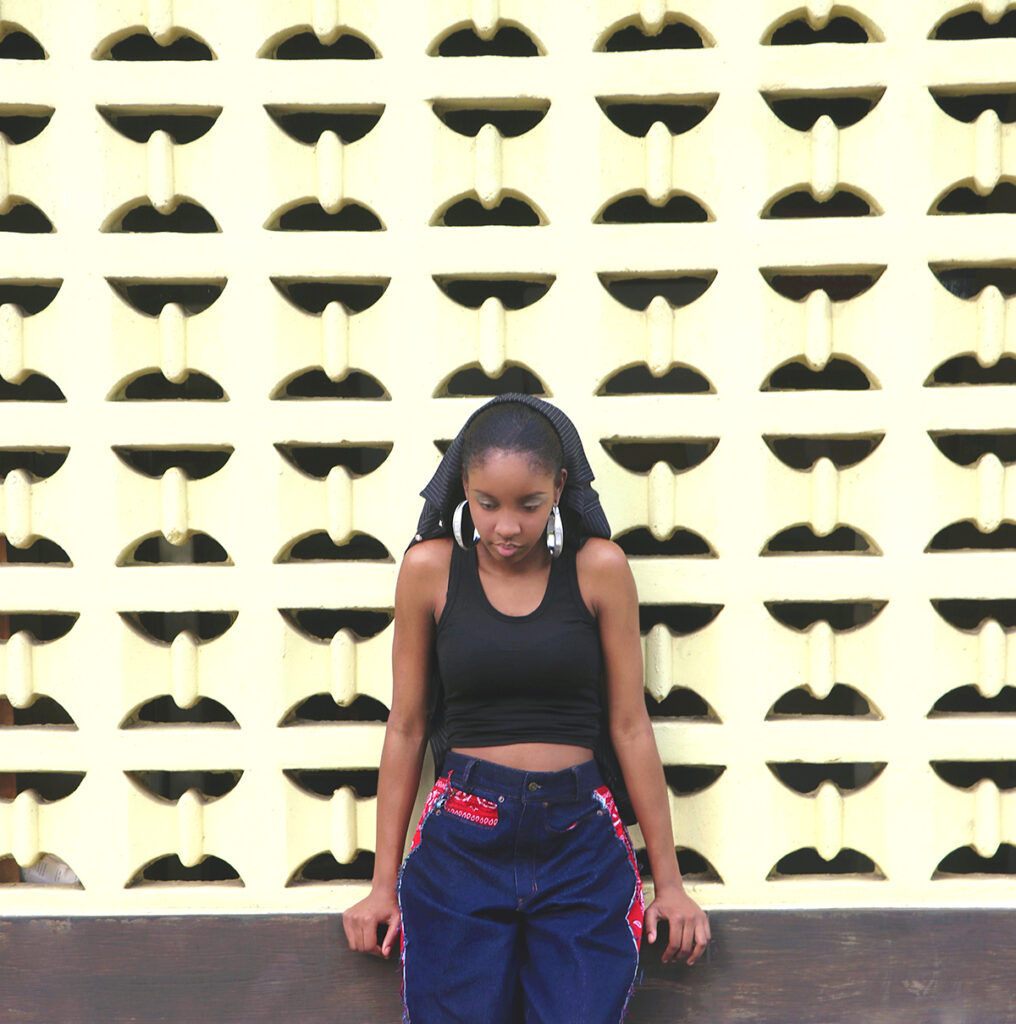
The region’s influence on Lovelace’s work is unmistakable. But his interpretation moves beyond expected tropical motifs. Instead, he draws inspiration from everyday life, the people he sees on the streets and what he describes as the unfiltered reality of Caribbean style.
His influences range from the theatrical storytelling of Peter Minshall, particularly Under The Mas by Jeff Henry, to international designers Alexander McQueen, Thierry Mugler and Vivienne Westwood.
Inspiration also comes from observation.
Whether it is his sisters and their circles or a stranger across a room, Lovelace is constantly reimagining the ordinary. He is currently in the early stages of developing his next collection, although there is no release date yet.
“The end result might be different from where I’m at now, but the one thing I know is I intend on making the pieces versatile for different body types. I want it to be comfortable to wear, and I want the wearer to feel special when it’s on their body; they must always stand out.”
Fashion for everyone
So, who is the Kambe customer?
“Someone comfortable in their skin, unafraid and comfortable with compliments.”
Lovelace describes his customers as confident, expressive and willing to take risks, but he maintains an open-door approach.
“I am welcoming to anyone who wants to wear my designs. Fashion is for everyone, and if you like what I make, we can work together.”
Balancing experimentation with wearability is where the technical side of his craft comes into play. Fabric selection and construction ground his more unconventional ideas in garments people can actually wear.
“You like jeans? Here’s a pair of jeans with frayed edges in a place you’d never think to have frayed edges. You like a mini skirt? How about one made of bandanas?”
Although still in its early retail stages, Kambe the Brand has already found an audience among notable figures, including Miss Environment 2025 Rebecca Baptiste, Natasha Hackett and international model Crystal Noriega. His work is available at 36 Cornelio in Woodbrook and Poshh Collections at Grand Bazaar.
For Lovelace, the reward comes from seeing people experience the clothes.
“The reactions I get when someone tries on a piece… the models, seeing them enjoy wearing my pieces for photoshoots or runway shows,” he says. “It makes me feel like I’m doing a good job.”
Building the business
Running an independent fashion brand also means balancing creativity with business realities.
“Well, a budget helps,” he laughs. “Every creative who owns a business should have one. Also, it’s important to be discerning about what creative efforts you want to invest in. The creative should bring returns into your business.”
Looking ahead, Lovelace plans to expand across Trinidad and Tobago before taking Kambe the Brand to the international market. His advice to emerging designers is straightforward: “Be sure this is what you want to do because it’s a lot of work.”
And his definition of success?
“$5 billion in revenue for the year, much like Gucci, yunno?”
