






President Nayib Bukele of El Salvador has taken an extraordinary step by deploying approximately 2,500 Salvadoran troops to Haiti to assist in combating heavily armed criminal gangs following the kidnapping of four Salvadoran aviation technicians.
This development raises an important question for the Caribbean: Could El Salvador’s approach to fighting organised gangs offer lessons for Trinidad and Tobago and the wider region?
We cannot continue treating organised crime as though it is an ordinary policing problem. Criminal gangs are becoming increasingly powerful, heavily armed and deeply entrenched in communities. They threaten public safety, undermine economic activity and erode citizens’ confidence in their governments.
El Salvador’s experience demonstrates what can happen when a government makes the fight against organised crime a national security priority. However, military operations alone cannot guarantee lasting peace. Human rights, accountability, effective courts, intelligence gathering and rehabilitation must also form part of the strategy.
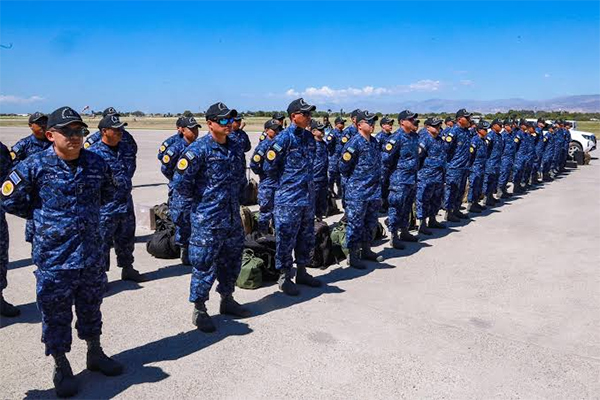
Haiti to assist in combating heavily armed criminal gangs following the kidnapping of
four Salvadoran aviation technicians
Here in Trinidad and Tobago, citizens deserve to know whether our Government has a comprehensive, measurable and properly coordinated plan to dismantle criminal networks, seize illegal firearms, disrupt drug trafficking and reclaim communities held hostage by gang activity.
Why should law-abiding citizens have to adjust their daily lives, restrict their movements and live in fear while criminal elements continue to operate?
We need more than announcements, temporary operations and political promises. We need sustained action, measurable results and accountability.
I am not suggesting that Trinidad and Tobago blindly copy El Salvador. Our circumstances are different. But we should certainly examine what is working, what is not, and what lessons can be adapted to our own environment.
The Caribbean cannot afford to sit back and watch organised crime become more powerful than the institutions established to protect its citizens.
Our people deserve to live without fear. Our children deserve safe communities. And our governments have an obligation to deliver both.
The question is no longer whether we have a crime problem. The question is whether we have the determination and the strategy to confront it.
Gordon Laughlin.
Westmoorings
