





By PETER GREEN
The topic of body cameras for the Trinidad and Tobago Police Service is back on the front burner.
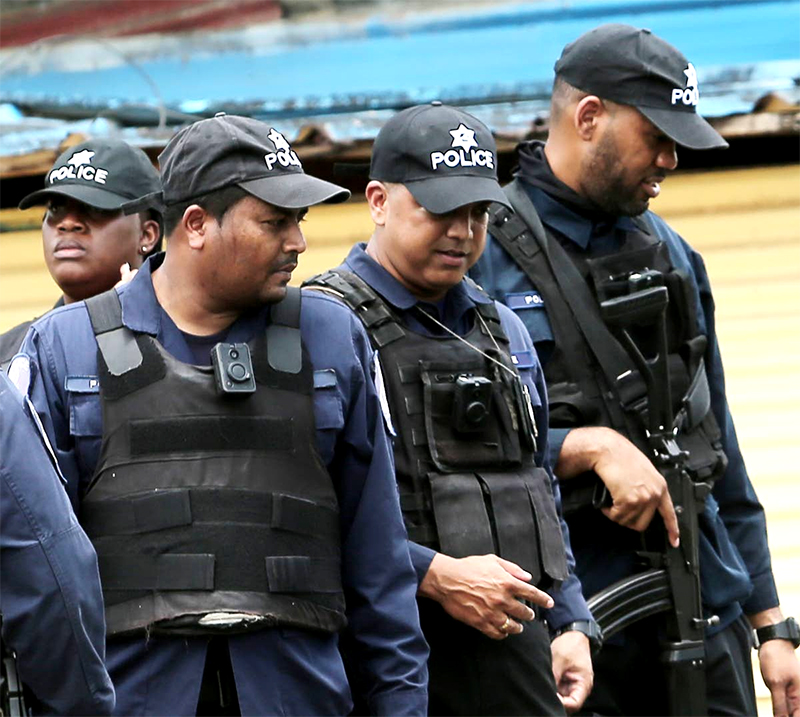
On Thursday, in response to the proposed Special Operations Bill 2026, Commissioner of Police, Allister Guevarro, said that the Police Service has about 100 working body cameras, with a battery life of two hours.
His remarks drew an immediate response from former Commissioner of Police, Gary Griffith.

Griffith said in a Facebook Post on Friday:
“1) It took me just two months to acquire more than 1,000 of them.
Five years and three Commissioners of Police later, they refused to properly utilize those 1,000 cameras, yet somehow have not had the capability to acquire even one more in those five years.
The Prime Minister has said to utilize body cameras.
Then just do it — and stop making damn excuses.
2) This Commissioner says that the 1,000 body cameras I acquired have only about one hour of battery life per shift.
These are Axon and Getac body cameras. Search Google for yourself. — equipment designed for professional law-enforcement use across the US and other parts of the world. Note the lifespan.
You change the damn batteries.

You have 1,000 body cameras and seem determined to find every excuse not to use them.
The Prime Minister has said to utilize body cameras.
Then just do it — and stop making damn excuses.
3) The majority of the 1,000 body cameras I acquired have a minimum battery lifespan of eight hours, before charging is required.
And even if battery life were the issue, what do you do when the batteries in a flashlight die?
A police patrol shift is four hours. So, if after two shifts the battery hasn’t been recharged, of course it will eventually die.
The solution is simple: charge the damn battery after every shift.
The Prime Minister has said to utilize body cameras.
Then just do it — and stop making damn excuses!”
