





By Dr Jack Warner
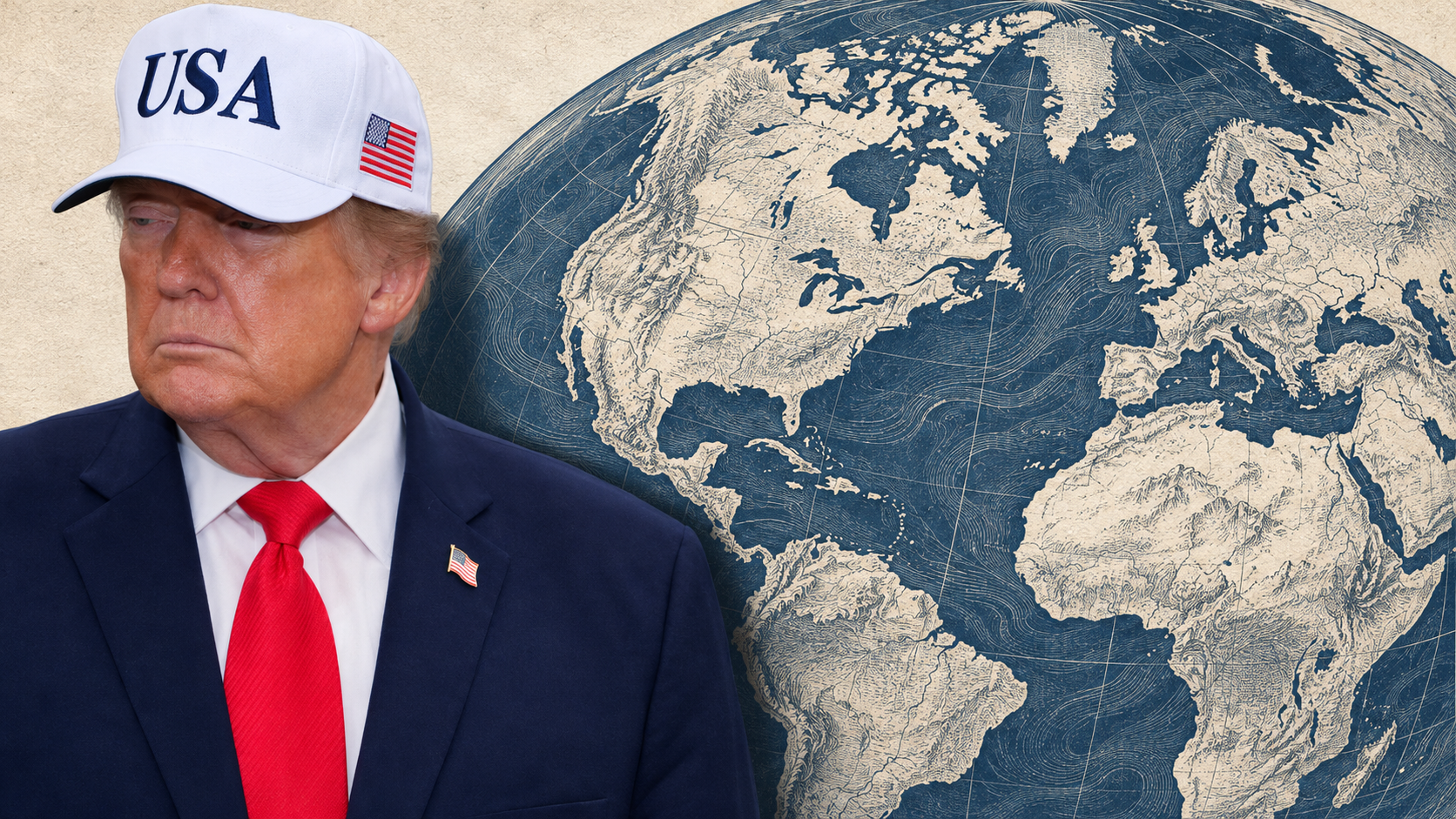
Donald Trump’s humiliating midterm defeat is reverberating far beyond American shores. From the Toronto Stock Exchange to the corridors of European power, from war-ravaged Ukraine to Iran and China, governments and investors are reassessing their relationships with a president whose political authority has suffered a major setback.
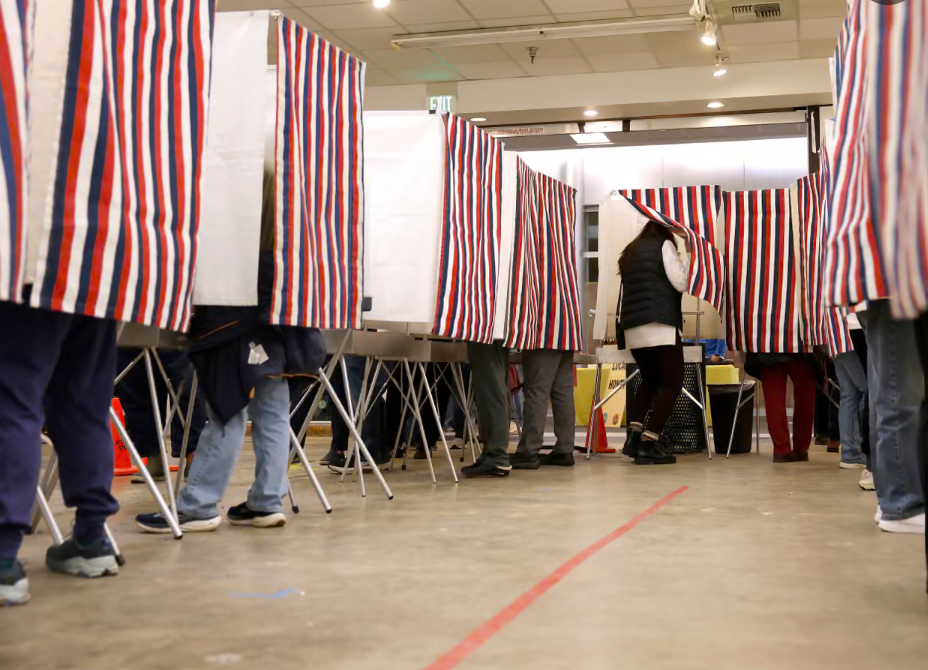
The November 3 elections handed Democrats control of both houses of Congress, ending Republican dominance of Washington and introducing new constraints on Trump’s remaining presidency.
However, the international reaction reveals something more consequential: America’s domestic political upheaval is forcing its allies, adversaries and trading partners to reconsider how much they can depend upon Washington.
In Canada, financial markets offered an early indication of changing expectations. Reuters reported that futures tracking the Toronto Stock Exchange’s benchmark S&P/TSX index rose approximately 1.3% early Wednesday as investors absorbed the Democratic congressional victory.
This was not a declaration of support for either American political party. Investors were responding to expectations about economic policy, regulation and the implications of divided government.
Deborah Cunningham, chief investment officer at Federated Hermes, observed that divided government frequently obstructs major legislation, creating conditions financial markets have traditionally regarded favourably because policy uncertainty may diminish.
Nevertheless, Trump’s tariff authority remains substantial. Canadian businesses cannot assume that congressional defeat automatically ends the threat of American protectionism.
Across the Atlantic, European political leaders offered revealing reactions. Spanish Prime Minister Pedro Sánchez interpreted the outcome as a rejection of right-wing politics, while Norwegian Prime Minister Jonas Gahr Støre welcomed opportunities for closer cooperation on climate policy, international affairs and development assistance. Their responses reflected hopes that Washington might become more receptive to multilateral cooperation.
But European leaders also understand the election’s limits. Trump remains president. He retains substantial authority over foreign policy and trade, while Congress cannot simply reverse every executive decision. European governments must therefore balance opportunities for renewed cooperation with the need to strengthen their own strategic independence.
Ukraine, on the other hand, faces perhaps the most consequential uncertainty.
For President Volodymyr Zelensky and his government, American political decisions can determine access to military equipment, intelligence cooperation, financial assistance and diplomatic support.
Trump’s approach to Russia and Ukraine has generated serious disagreements with European allies and concern in Kyiv. Democratic control of Congress could strengthen congressional oversight and create opportunities for renewed assistance.
Democratic Representative Mike Levin has pledged to use legislative and oversight mechanisms to support Ukraine, while Representative Gregory Meeks has advocated stronger American security and economic assistance, but neither statement guarantees that additional resources will reach Kyiv.
Trump retains veto authority, and implementation disagreements could obstruct assistance even where congressional support exists. Ukraine’s immediate challenge remains securing dependable commitments, not celebrating American election results.
Iran
Iran’s reaction was considerably more confrontational.
Mohammad Bagher Ghalibaf, Iran’s parliamentary speaker and chief negotiator in talks with Washington, said American voters had rejected war. His message was explicit: Americans had said no to military confrontation.
That interpretation reflects Tehran’s political position, not an independently established explanation of every American vote. Nevertheless, the war with Iran has become a major source of domestic controversy for Trump.
The president himself acknowledged that rising gasoline prices associated with the conflict contributed to Republican electoral losses.
For Iran, the election introduces another variable into an already dangerous confrontation.
A Democratic Congress may increase scrutiny of military operations and presidential decisions. But congressional opposition does not automatically produce peace, nor does electoral defeat eliminate the president’s military authority.
China, meanwhile, has adopted a notably restrained official position.
Foreign Ministry spokesperson Mao Ning described the midterms as an internal American matter and indicated that Beijing would continue managing differences while expanding cooperation with Washington.
Behind that diplomatic language lies a complicated commercial relationship.
China and the United States remain engaged in sensitive negotiations involving tariffs, technology, investment and strategic competition.
Economist Saul Eslake suggested that Chinese President Xi Jinping would recognise Trump’s weakened political position and consider how it might affect negotiations.
However, Alicia García-Herrero of Natixis warned that Democratic congressional control could also restrict Trump’s ability to offer concessions, particularly involving advanced technology and semiconductor supply chains. China therefore faces both opportunities and constraints.
The broader message is that Trump’s electoral defeat has changed international calculations without removing his presidential powers.
Some foreign governments anticipate greater congressional restraint. Others fear prolonged political paralysis or intensified confrontation.
Financial markets are assessing the economic consequences, while countries that depend on American security guarantees must distinguish political promises from enforceable commitments.
For Trinidad and Tobago and the Caribbean, the lesson is clear.
Small states cannot build their foreign policies around the fortunes of one American president or political party.
Our interests in trade, energy, investment and regional security require durable diplomatic relationships across American institutions.
Trump’s defeat has not ended his presidency, but it has altered the international environment in which he exercises power.
The world is now watching whether Washington’s divided government produces greater restraint, deeper paralysis or new confrontation.
America has voted. The consequences will be felt far beyond America.
