





By Guest Writer Josephine Bailey
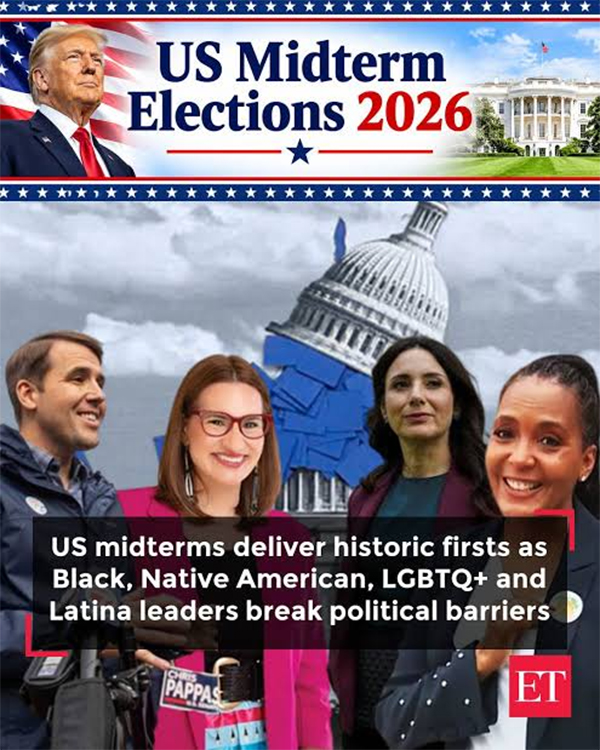
America’s 2026 midterm elections will be remembered not only for the dramatic shift in congressional power but also for an extraordinary breakthrough in women’s political leadership.
Across the United States, women shattered longstanding barriers, captured governorships, entered the Senate and challenged assumptions about who can exercise political authority.
The results represent an important chapter in the continuing struggle for gender equality and political representation.
Perhaps the most historic victory occurred in Georgia, where Democrat Keisha Lance Bottoms became the first Black woman elected governor of an American state. Her achievement carries enormous symbolic importance.
For generations, Black women have played central roles in American political organisation, civil rights advocacy and voter mobilisation. Yet the governorship of an American state remained beyond their reach. Bottoms’ victory changes that history.
A former mayor of Atlanta, she defeated Republican businessman Rick Jackson, ending more than two decades of Republican control of Georgia’s governorship. Her election shows how political experience, community organisation, and shifting electoral coalitions can open doors previously closed to women from historically under-represented communities.
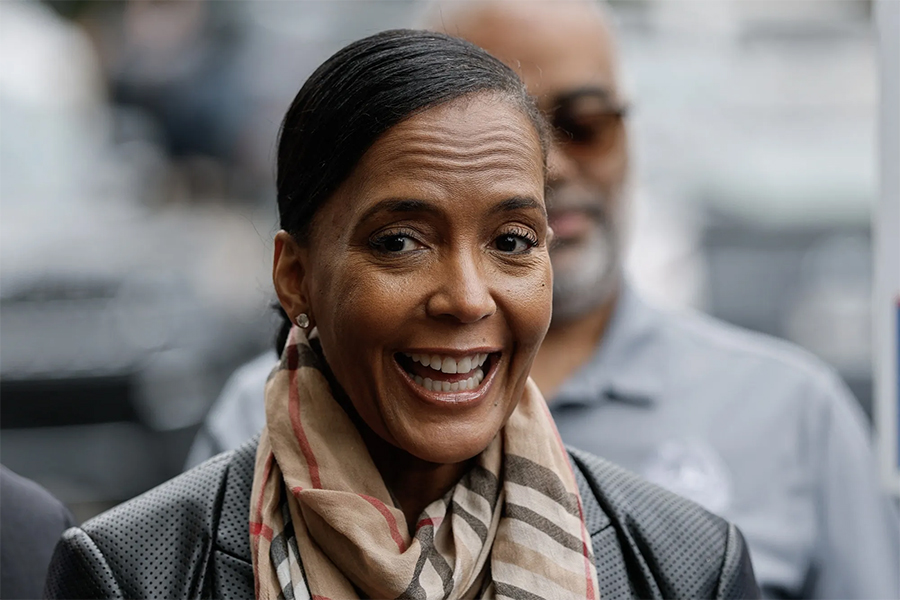
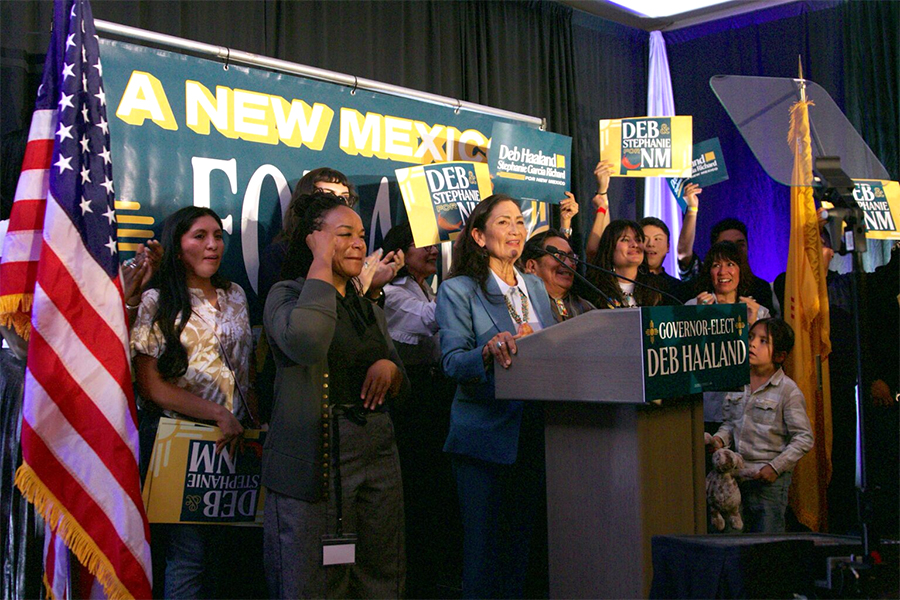
Another breakthrough came in New Mexico, where Democrat Deb Haaland became the first Native American woman elected governor of an American state. A member of the Laguna Pueblo, Haaland previously served as U.S. Secretary of the Interior. Her victory is particularly significant given the long history of political exclusion experienced by Indigenous Americans.
In Minnesota, Peggy Flanagan, a member of the White Earth Band of Ojibwe, became the first Native American woman elected to the United States Senate. These victories are more than personal achievements. They expand the range of experiences represented in institutions responsible for decisions affecting millions of citizens.
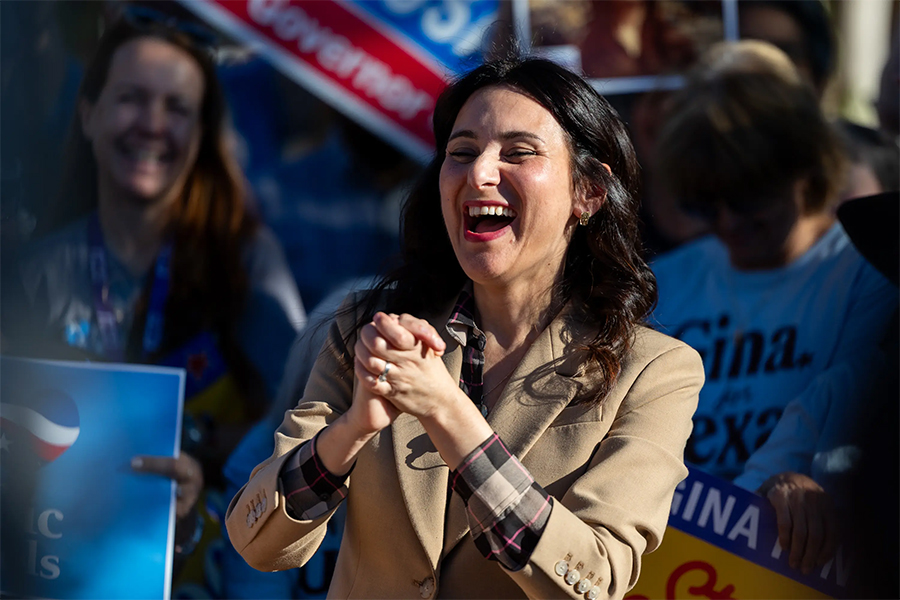
Texas produced another historic result when Democrat Gina Hinojosa became the state’s first Latina governor. Ohio elected Democrat Amy Acton as its first woman governor, while Minnesota chose Amy Klobuchar as its first female governor. The Republican Party also contributed to this expansion of representation. In Tennessee, Republican Marsha Blackburn became the state’s first woman governor. These victories show that women’s advancement in political leadership is not confined to one party.
Women with different ideological convictions are securing positions historically dominated by men.
The Senate also witnessed significant developments.
Illinois elected Democrat Juliana Stratton, who will serve alongside Tammy Duckworth. Their representation will make Illinois the first state with two women of colour serving simultaneously in the United States Senate. Stratton’s election also means that three Black women will serve in the Senate during the next congressional term.
These achievements are particularly noteworthy because women, despite representing about half the population, have historically held a disproportionately small share of America’s highest political offices.
The 2026 elections also attracted an unusually large number of female candidates.
According to the Centre for American Women and Politics at Rutgers University, nearly 300 women, including incumbents, ran for Congress. Nineteen Democratic women and seven Republican women sought governorships. These figures reflect growing participation, although they do not establish that women have achieved equal representation.
This political transformation extends beyond gender. It challenges traditional assumptions about leadership, authority and political competence.
For too long, women entering politics have confronted barriers involving campaign financing, party selection, public scrutiny, family responsibilities and discriminatory attitudes. Women from racial and ethnic minorities have often encountered additional obstacles.
The latest election demonstrates that such barriers can be overcome, particularly when political parties recruit capable candidates and voters evaluate their leadership credentials. Nevertheless, representation alone does not guarantee effective government.
Female politicians, like their male counterparts, must be judged by their integrity, policy decisions, administrative performance and accountability. Electing women should not mean lowering standards or assuming that gender automatically produces better leadership. Rather, democracy becomes more representative when qualified candidates are not excluded because of gender, race or background.
This offers an important lesson for Trinidad and Tobago and the wider Caribbean. Our region has produced distinguished female political leaders, including Kamla Persad-Bissessar, Mia Mottley and other women who have occupied senior positions in government and public administration.
Their achievements demonstrate that Caribbean women possess the experience and ability to lead at the highest levels. Yet significant barriers remain.
Women seeking political office frequently encounter personal attacks, unequal access to political networks, financial disadvantages and expectations that are not imposed equally upon men.
Political parties should therefore strengthen programmes that identify, mentor and support women interested in public service.
Young women need opportunities to develop leadership skills through local government, community organisations, professional associations and parliamentary politics. Campaign financing arrangements should also be examined to ensure that capable candidates are not excluded because they lack access to established political donors.
Equally important, political discourse must reject harassment and personal degradation directed at women in public life. The American election offers an opportunity to reconsider how we cultivate and evaluate political leadership.
The real achievement is not simply that women have won positions once reserved for men. It is that voters have expanded the possibilities of democratic representation.
These victories will acquire their greatest meaning through the policies, institutional reforms and public services delivered by those elected.
America’s political glass ceiling has developed significant cracks. The challenge now is to ensure that greater representation produces lasting opportunities for future generations.
For Trinidad and Tobago, the message is equally relevant: leadership talent must never be restricted by gender, and democracy is strengthened when every citizen has a fair opportunity to serve.
