





By Dr Jack Warner
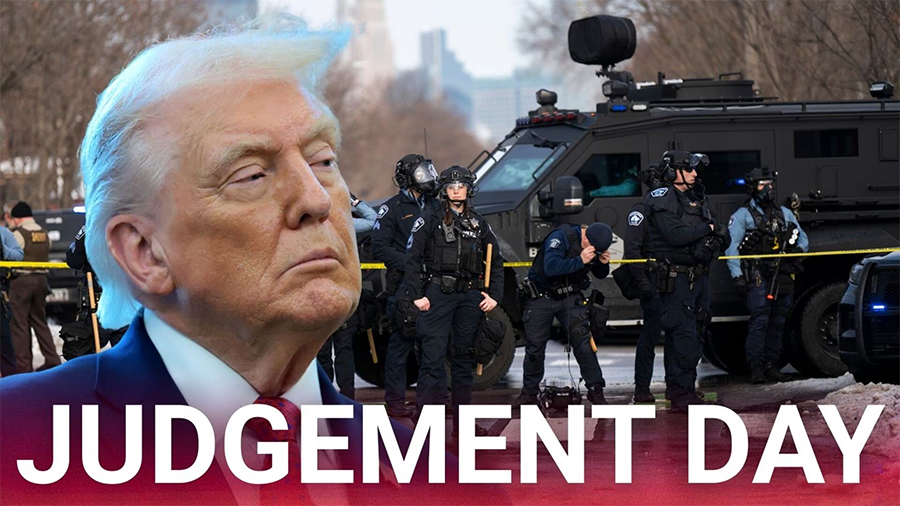
Donald Trump asked Americans to treat the 2026 midterm elections as a referendum on his presidency. They obliged. The result was a devastating rejection of Republican control of Washington and a warning about the consequences of governing through confrontation, economic disruption and disregard for public dissatisfaction.
On November 3, Democrats captured both the House of Representatives and the Senate, making extraordinary gains in Republican strongholds, including Texas, Kansas and South Carolina.
The Republican defeat cannot be explained away as a routine midterm setback. Its breadth demands serious examination of the policies and political culture that shaped Trump’s second administration.
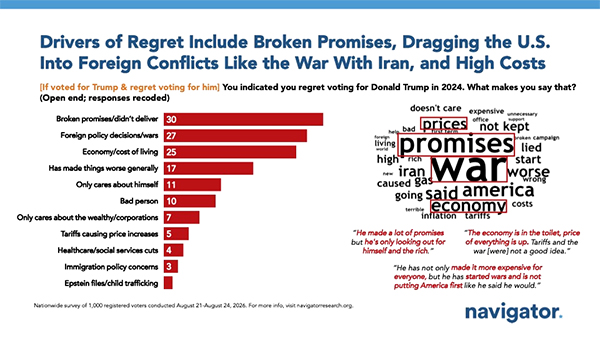
Trump returned to the White House promising to restore prosperity, reduce inflation, strengthen American industry and end costly international conflicts. Instead, his administration pursued sweeping tariffs, became embroiled in war with Iran and presided over mounting public frustration with the cost of living. The contradiction between promise and performance became central to the election.
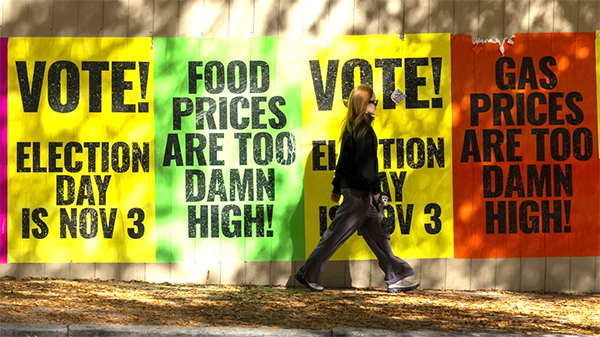
According to national exit polling, nearly nine in ten voters considered the cost of living a crucial or major factor in their decision. Approximately two-thirds blamed Trump for high prices, while seven in ten wanted Congress to impose stronger checks on presidential power.
These are not insignificant expressions of discontent. They reveal how deeply economic anxiety and concerns about presidential authority had penetrated the electorate.
Trump’s tariff policies deserve particular scrutiny. Presented as tools to defend American workers and strengthen domestic manufacturing, tariffs also increased costs for businesses importing goods and materials. Businesses can pass those costs along to consumers through higher prices.
Supporters argue that tariffs provide bargaining leverage, encourage domestic investment and protect industries exposed to unfair foreign competition. But economic nationalism cannot be judged by its patriotic language alone. It must be assessed against its consequences for households, employment, investment and purchasing power.
For families struggling with groceries, housing, healthcare and transportation, promises of eventual national prosperity offer little relief when immediate expenses continue rising. The administration’s war with Iran compounded these pressures.
Trump had cultivated an image of a leader determined to avoid prolonged foreign entanglements. Yet military confrontation brought additional uncertainty to energy markets and international commerce.
For Americans already worried about inflation, foreign policy became inseparable from household economics. The consequences were politically significant.
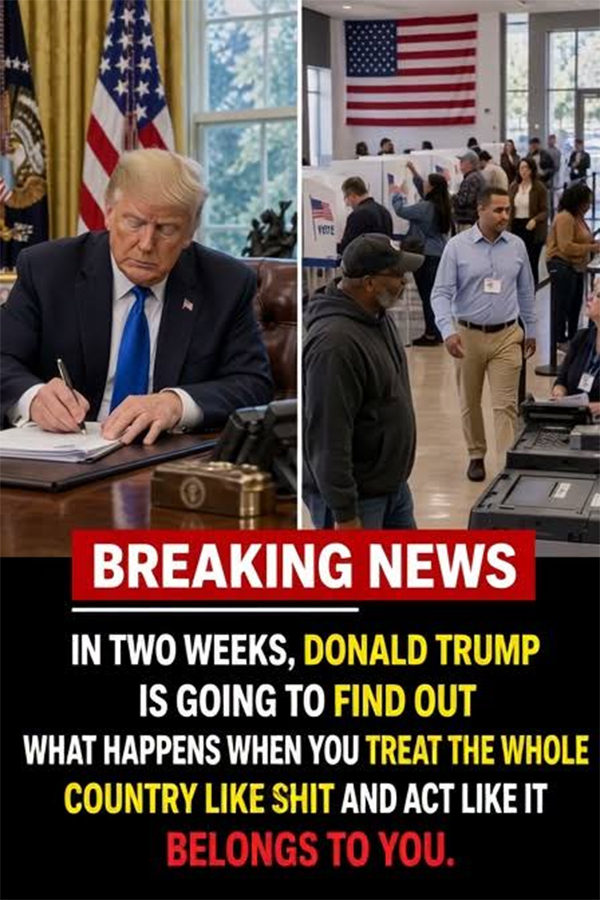
A president who promises economic security cannot reasonably expect voters to disregard policies they believe have made everyday life more expensive. Political priorities also failed in a damaging way.
Political spectacle does not pay one’s mortgage
While households demanded relief from financial pressure, Republican campaigning frequently emphasised cultural controversies and attacks on political opponents. Questions involving identity, immigration and national values are legitimate subjects of democratic debate, but they cannot substitute for credible answers about wages, prices, healthcare and economic opportunity.
Political spectacle does not pay the mortgage. Partisan confrontation does not reduce grocery bills, and repeated declarations of national greatness mean little to citizens who believe their standard of living is deteriorating.
Trump’s governing style created another vulnerability. His presidency has been characterised by aggressive executive action, sharp attacks on opponents and an insistence on personal political loyalty.
Supporters regard this approach as necessary to confront an entrenched political establishment resistant to change. Critics see a dangerous concentration of authority and a weakening of democratic restraint. The election revealed substantial public concern about that balance.
A democracy does not grant a president unlimited authority merely because he wins an election. Constitutional checks and balances exist precisely because political power must remain accountable. For two years, Republican control of Congress gave Trump considerable room to pursue his agenda; that arrangement will change in January, when Democratic majorities assume control.
Congress will be positioned to investigate administration decisions, scrutinise public expenditure, challenge legislation and exercise greater oversight. This is not an obstruction of democracy. It is democracy functioning through its constitutional institutions. The results also raise uncomfortable questions for Republican leaders.
Political loyalty must never excuse abandoning independent judgment. Legislators have responsibilities to their constituents and the Constitution, not merely to the president who leads their party.
When elected representatives defend every presidential decision, regardless of its consequences, they risk surrendering the scrutiny essential to responsible government.
Republicans must now examine whether their commitment to Trump’s political programme overshadowed their obligation to respond to public concerns.
Yet the Democratic victory should not be mistaken for a permanent ideological transformation. Trump retains millions of supporters, and debates over immigration, trade, national identity and the role of government will continue.
Nor does an electoral defeat establish that every administration policy was unsuccessful. The significance lies in the collective political consequences of an agenda that many voters judged unsatisfactory.
Trump’s historical legacy will now be shaped by an uncomfortable reality.
He returned to power with an opportunity to demonstrate that his unconventional political movement could deliver durable economic improvement and effective government. Instead, his party has lost congressional control halfway through his second term.
The remaining years will test whether he can negotiate with political opponents, accept institutional constraints and address the economic concerns that dominated this election.
The warning from November 3 is unmistakable: political power cannot indefinitely substitute confrontation for competence, slogans for economic relief or personal loyalty for public accountability.
For Donald Trump, the midterm defeat represents a serious challenge to his governing record.
For the Republican Party, it demands a reckoning with the consequences of its policy choices.
And for democracies everywhere, it reinforces an enduring principle:
Governments may command attention through political theatre, but they are ultimately accountable for the consequences of their decisions.
