





…………..from Venues to Value
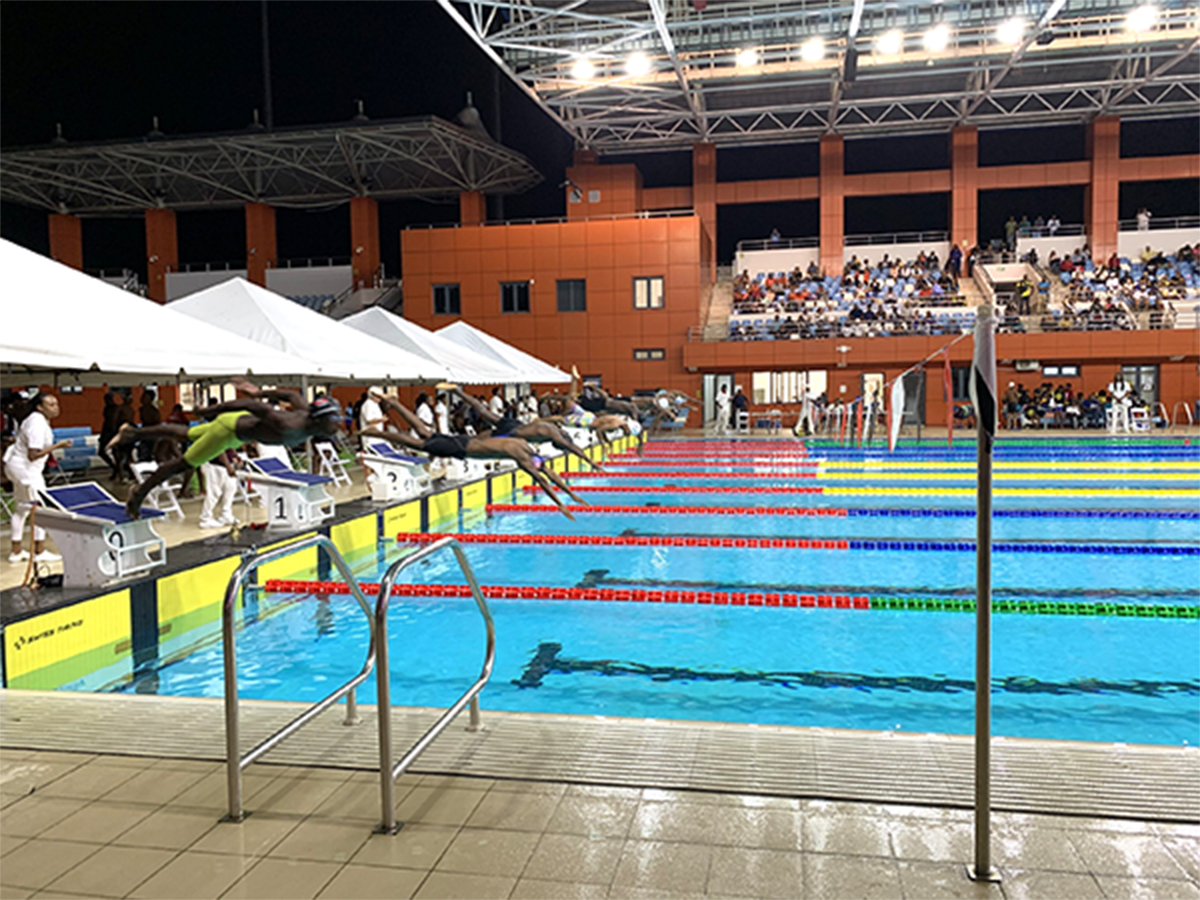
When I look at Trinidad and Tobago’s sporting infrastructure: five stadia, five athletic Mundo tracks, an elite cycling track, a full aquatics centre with 3-metre and 10-metre diving pools, and dedicated hockey and tennis facilities, I do not see underused venues. I see an unpackaged tourism product.
Sport tourism is not about hosting the occasional event and hoping visitors follow. It is about selling performance experiences; training, preparation, competition, and recovery in a way that fits the global sporting calendar.
Right now, Trinidad and Tobago has the hardware, the climate, and the geographic advantage, but what we lack is a coordinated commercial strategy.
The starting point is positioning. Trinidad and Tobago should brand itself as a year-round warm-weather performance hub. For teams in North America and Europe, winter training is expensive and unpredictable.
Athletes need reliable weather, professional facilities, and manageable travel times. We can offer all three. The cycling track becomes a winter base for professional and semi-professional teams. The aquatics centre becomes a destination point for swim and dive squads seeking long-course training and certification.
Stadia host football and athletics camps. Hockey and tennis facilities support regional and international tournament circuits. Each asset has a role, and together they form a portfolio.
Sport tourism succeeds when stays are long and repeatable. That is why the focus must shift from single events to training blocks and competition windows. Instead of one cycling race, we build a multi-week Caribbean cycling series.
Instead of a standalone swim meet, we pair competition with coaching clinics and officiating courses. When teams come for three to six weeks, hotels benefit, transport providers benefit, and local staff gain consistent work. This is how destinations move from spectacle to sustainability.
Revenue does not primarily come from ticket sales. The most reliable clients are teams, federations, universities, and academies. They pay for facility access, accommodation, sports medicine, recovery services, and logistics.
A single national team training camp can generate more revenue than a packed stadium for one night. Understanding this shifts how we market. We sell packages, not seats.
Hospitality must be integrated, not improvised. Athlete-friendly hotels, long-stay pricing, nutrition-appropriate catering, transport coordination, and access to medical and recovery services are part of the product.
If these elements are fragmented, visiting teams choose other destinations. When they are seamless, teams return year after year. Loyalty is one of the most powerful drivers of sport tourism revenue.
One of the strongest growth areas globally is youth and academy sport tourism. Parents and schools are willing to travel for credible, safe, and professionally run programmes. Trinidad and Tobago can host international youth tournaments, training academies, and talent identification camps across multiple sports.
These programmes fill hotel rooms outside peak tourist seasons and simultaneously raise local sporting standards through exposure and competition.
None of this works without coordination. Sport tourism fails when facilities operate in silos and events compete rather than complement. A single national sport tourism unit must be responsible for packaging assets, negotiating with international federations, marketing internationally, and tracking economic impact.
From a manager’s perspective, accountability and data are non-negotiable. We must know which events generate revenue, which clients return, and where value leaks occur.
The climate advantage must be marketed relentlessly. Trinidad and Tobago offers something many competitors cannot: predictability. No snow delays, no indoor compromises, no shortened seasons. In sport tourism, reliability is currency.
Trinidad and Tobago has already invested heavily in sporting infrastructure. The question now is whether we allow those facilities to remain cost centres or transform them into income-generating assets.
With focus, packaging, and professional delivery, sport tourism can become a steady source of foreign exchange, employment, and international visibility. The venues are ready. It is time for us to sell the experience.
