


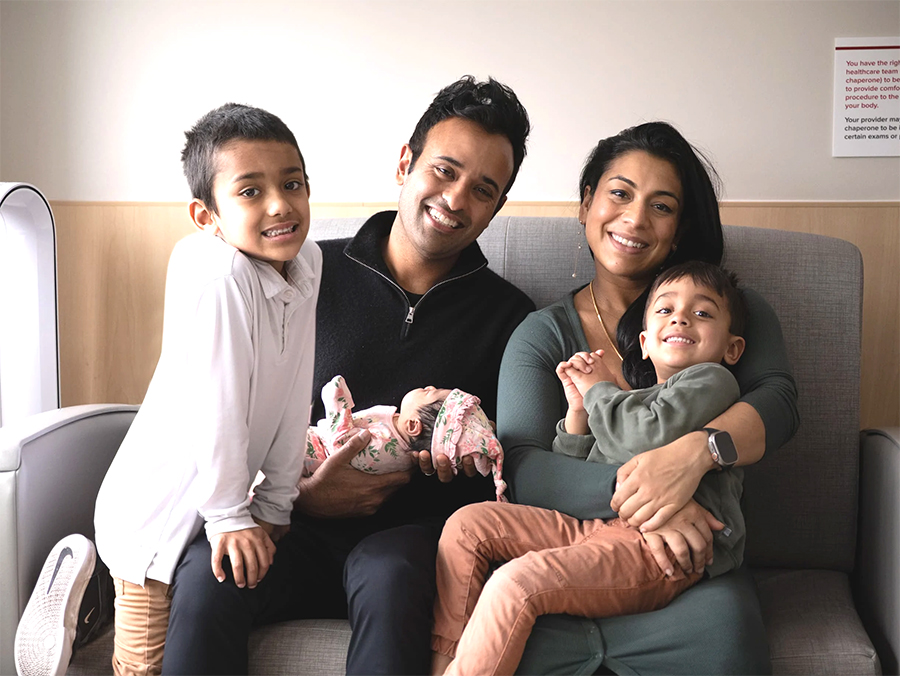



I have spent considerable time reading, listening, and watching everything that has unfolded, and I must say that the entire episode is both deeply disturbing and politically revealing.
What I find particularly troubling is the manner in which Vivek Ramaswamy appeared to embrace, defend, and align himself with a political movement whose rhetoric and underlying racial dynamics raise profound questions about belonging, acceptance, and the limits of political assimilation. His experience in Ohio offers a sobering reminder that proximity to political power does not necessarily translate into acceptance by those who wield it. One can champion a movement, defend its leadership, adopt its language, and make every conceivable effort to demonstrate allegiance, yet still discover that one’s racial and ethnic identity remains an obstacle in the eyes of those one seeks to appease.
Ann Coulter’s remarks during the previous presidential campaign were particularly revealing. Her acknowledgment of Ramaswamy’s intelligence, followed by her declaration that she could never vote for him because he was Indian, exposed an uncomfortable dimension of American political discourse: qualifications, accomplishments, and intellectual ability can become secondary when racial identity enters the equation. That exchange should not be dismissed as an isolated incident. It raises a much larger question about the conditional nature of acceptance within certain political circles.
Equally troubling are the inflammatory remarks, the rhetoric directed at Muslims, and the broader pattern of language that has contributed to an increasingly hostile political environment. These are not inconsequential matters of political style. Words carry consequences, particularly when they come from individuals occupying positions of extraordinary influence.
There is also something profoundly instructive about the treatment of people of color who have invested their political allegiance in movements that have not always demonstrated reciprocal regard for them. Political loyalty should never require the surrender of one’s dignity, the denial of one’s heritage, or the rationalization of rhetoric that demeans entire communities. At some point, individuals must confront the distinction between being welcomed as politically useful and being genuinely accepted as equals.
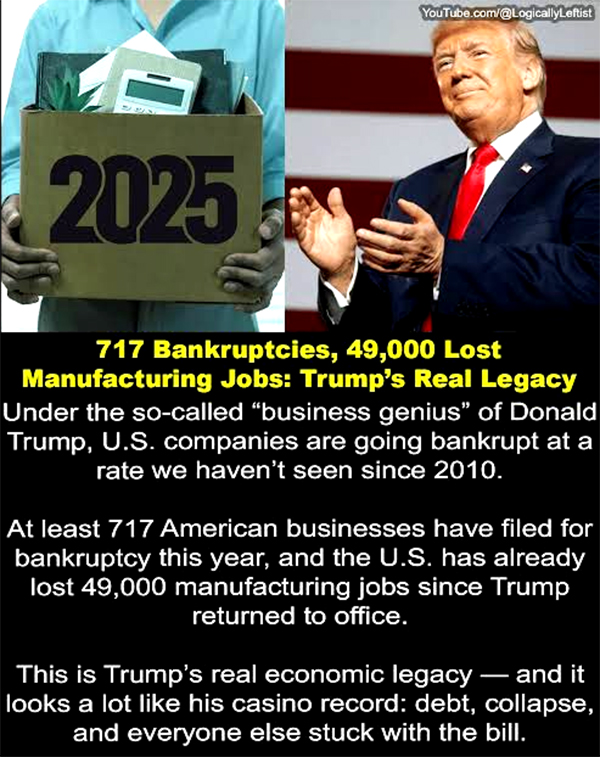
The broader questions surrounding Donald Trump’s business record, the bankruptcies associated with his business ventures, the financial enrichment of his family, cryptocurrency interests, and the use of presidential clemency also warrant serious public scrutiny. These matters deserve rigorous examination, transparency, and consistent ethical standards. The presidency should never become an instrument through which public office and private financial interests appear to intersect without meaningful accountability. Pardons, in particular, must remain exercises of constitutional authority rather than become subjects of legitimate concern about access, influence, or financial considerations.
And let us consider the extraordinary double standard in American political life. Barack Obama operated under an intensity of scrutiny that was often relentless, extending to his family, personal history, qualifications, and every consequential decision of his administration. It is therefore reasonable to ask why conduct and rhetoric that would have generated extraordinary controversy under one president are treated so differently under another. Accountability cannot be selective, determined by political affiliation, racial identity, or partisan convenience.
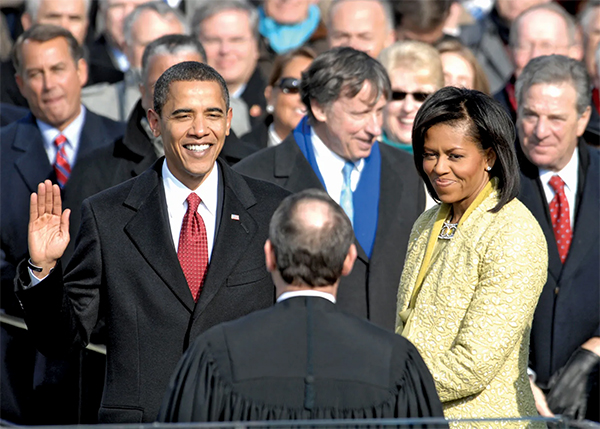
United States, January 20, 2009
Ultimately, what this episode illustrates is the danger of confusing political proximity with genuine belonging. No individual should have to prove their worth by attaching themselves to a movement that questions the dignity or legitimacy of people who share their background. Nor should any community mistake political representation for meaningful solidarity.
The lesson is larger than one candidate, one election, or one political movement:
Never surrender your dignity in exchange for a seat at a table where others have already decided that you do not belong.
American democracy demands something better than personality cults, racial double standards, selective accountability, and the normalization of conduct that would otherwise be considered unacceptable. Public office is a public trust, not a personal entitlement. And those who exercise extraordinary power must be held to standards that are equally extraordinary in their consistency, transparency, and accountability.
