


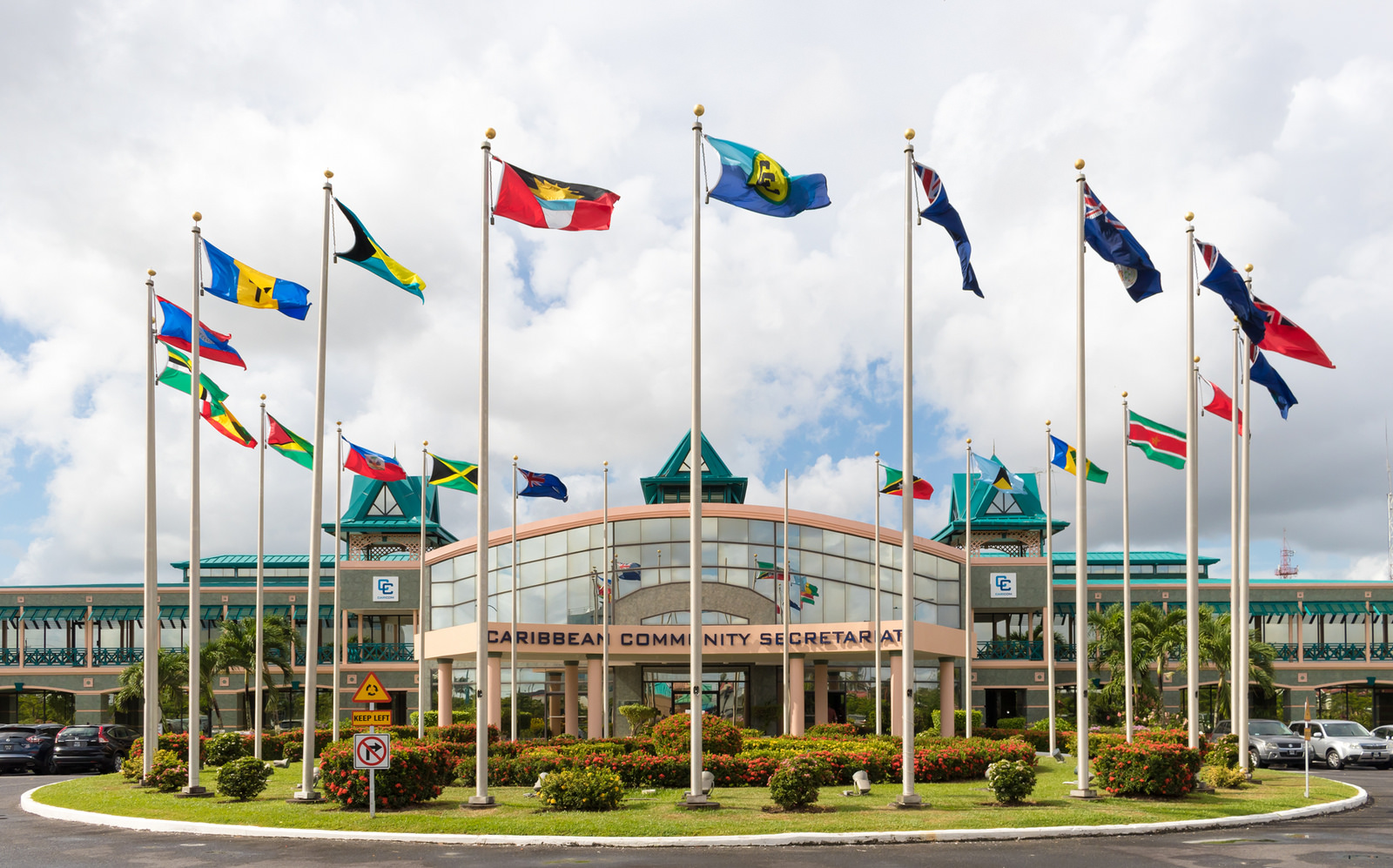



CARICOM Must Pay for the Truth
By Dr. Jack Austin Warner
The call by Brent Thomas for an independent investigation into his ordeal is not merely understandable; it is necessary. When a citizen alleges that his liberty was violated in circumstances that may involve state actors and regional cooperation mechanisms, the matter transcends a personal grievance. It becomes a question about the credibility of institutions and the integrity of governance across the Caribbean. However, alongside the call for an investigation lies another equally important question: who should fund it?
If this case, as it does, strikes at the heart of regional governance and the responsibilities embedded within the Caribbean Community framework, then the financial burden should not rest on Trinidad and Tobago. The investigation should be funded by CARICOM itself.
The Brent Thomas matter has already generated intense public scrutiny and legal debate. At its core are allegations that challenge how regional law enforcement cooperation operates and how the rights of Caribbean citizens are protected when cross-border issues arise. When such concerns surface, they inevitably touch on the wider architecture of regional governance.
CARICOM was created on the promise of integration, shared responsibility, and the protection of citizens moving freely within the Community. Those ideals cannot exist only in speeches delivered at summits. They must also guide institutional behaviour when controversies emerge.
If a CARICOM citizen believes he has been wronged within a system that involves regional collaboration, then the investigation into that claim must reflect the regional nature of the issue. Allowing a single member state to shoulder the financial and administrative burden risks reducing what is fundamentally a regional concern into a narrow national dispute. More importantly, it risks eroding public confidence in the investigative process itself.
Even if Trinidad and Tobago were to commission a professional and transparent inquiry, the perception problem would remain. Critics could argue that the same state whose agencies may be implicated is also financing the investigation. That alone would cast a shadow over any findings, regardless of how rigorous the process might be. An investigation funded by CARICOM would avoid that dilemma.
It would signal that the regional body recognises that its credibility is intertwined with the outcome. It would demonstrate that the Caribbean Community is willing to examine difficult questions about governance and accountability without shifting the burden onto individual member states. Regional authority must carry regional responsibility. After all, CARICOM is not without fault.
Regional institutions cannot escape accountability
Too often, CARICOM appears most visible during ceremonial occasions: summits, declarations, and diplomatic statements about unity. Yet when real tests arise, particularly those involving accountability or legal responsibility, the instinct sometimes shifts toward national containment. That pattern weakens the legitimacy of regional integration. The Brent Thomas case presents an opportunity to move in the opposite direction.
By funding an independent investigation, CARICOM would show that it is prepared to defend the rights of Caribbean citizens even when the issues involved are uncomfortable. It would reinforce the principle that the rule of law operates above institutional sensitivities, and it would reassure citizens that their rights do not become uncertain when they interact with systems influenced by regional cooperation. There is also a broader lesson here about the maturity of Caribbean governance.
Regional institutions cannot demand respect or relevance while avoiding the costs associated with accountability. If the Caribbean Community wishes to be seen as a serious governance structure rather than a symbolic alliance, it must be willing to invest in transparency when controversies arise.
Funding an independent investigation into the Brent Thomas affair would not be an admission of guilt by any party. It would be an affirmation of principle. It would say to Caribbean citizens that the institutions created in their name are prepared to seek the truth openly and fairly. Accountability cannot be preached collectively and funded selectively.
If the credibility of CARICOM is at stake, then the responsibility to investigate must also be collective. The promise of CARICOM was never merely economic cooperation. It was the idea that Caribbean citizens would share a framework of protection and justice that transcends national borders. Now is the moment to demonstrate that this promise is more than rhetoric.
