


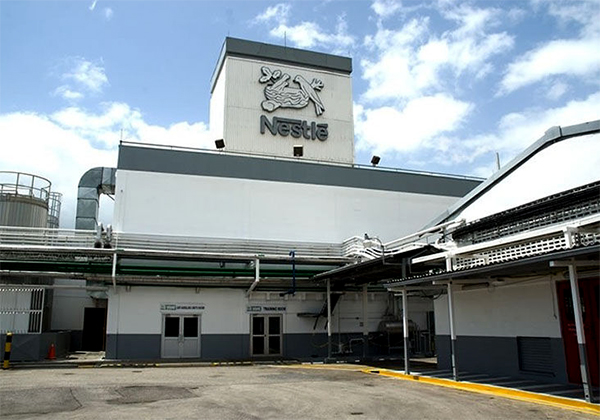



Recent reports that long established manufacturers are reassessing their operations in Trinidad and Tobago point to a broader structural shift in the economy that deserves attention.
For decades, companies such as Nestlé and Unilever contributed to local manufacturing capacity, supporting jobs, exports, and foreign exchange earnings. Increasingly, however, there appears to be a transition away from production toward a distribution based model.
While distribution remains an important commercial function, it does not replace the economic benefits of manufacturing. It generates fewer capital investments, reduces export output, and increases reliance on imported finished goods, thereby weakening the country’s foreign exchange position.
This shift is occurring in the context of changing energy economics, which previously formed a key advantage for energy ntensive manufacturing in Trinidad and Tobago. As that advantage has moderated, so too has the country’s attractiveness as a production hub.
If the national objective is to expand non energy exports and diversify the economy, then greater urgency must be placed on competitiveness, energy pricing, infrastructure efficiency, and the ease of doing business. Without this alignment, the drift away from production based activity may continue.
This is not alarmist, but reflective. The signals are visible. The question is whether policy will adapt quickly enough to shape the direction of change, or simply respond after the fact.
Gordon Laughlin
Westmoorings
