





There comes a time when public safety must rise above political allegiance, personal ambition and partisan point-scoring. What is unfolding in Maloney is one such moment. Yet, instead of concentrating on the circumstances that brought the community to this point, some appear more interested in turning the Government’s response into another political confrontation.
From my understanding, the recent violence did not emerge overnight. There were reports of an understanding between rival gangs, which eventually broke down. The fallout appears to have unleashed renewed hostility, with gunmen taking to the streets and residents caught in a dangerous confrontation. The reports require confirmation, but what were the authorities expected to do as the situation escalated?
The violence became particularly alarming when footage circulated showing children scrambling for cover as gunfire erupted. Imagine being a parent wondering whether your child will return home safely, or fearing a stray bullet when gangs settle their differences. Imagine ordinary citizens dodging bullets as gunmen fire indiscriminately, as though they were using the streets for target practice.
This is not politics. It is a public safety crisis.
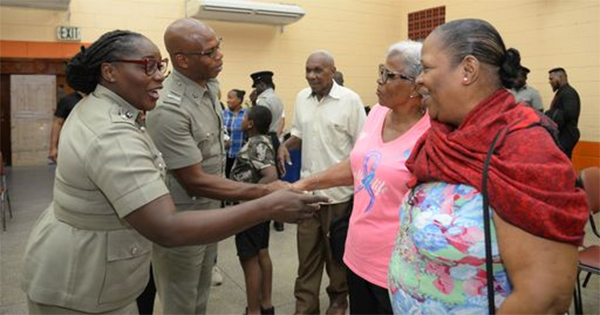
speak to members of the public after a town hall meeting in Maloney
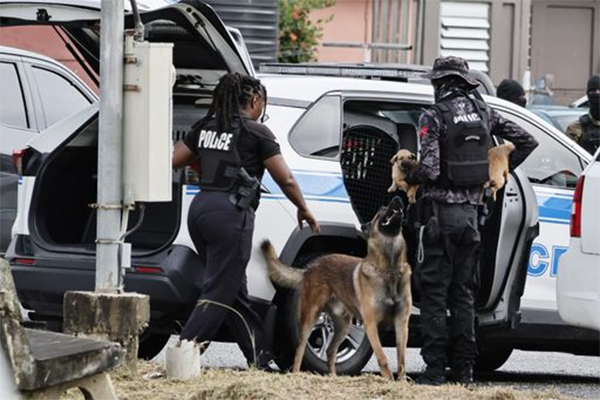
Against this background, the police moved to contain the situation. On November 10, Maloney Buildings Housing Development became the first community declared a closed area under the Special Operations Act, 2026. A nightly curfew from 9 p.m. to 5 a.m. was imposed.
Must the police wait until someone is killed before taking decisive action? Is preventing a murder less important than investigating one afterwards? The absence of fatalities does not mean the absence of danger. Preventing bloodshed must surely be preferable to counting bodies.
Yet the Government finds itself in a familiar political trap: damned if it does and damned if it doesn’t. When authorities appear reluctant to confront criminal activity, they are accused of weakness. When they take concrete action, the restrictions become the subject of political condemnation.
That brings us to Camille Robinson-Regis, the MP for Trincity/Maloney. There is nothing wrong with an elected representative questioning Government policy. Holding the Government accountable is her responsibility. Residents deserve clear information, fair treatment and practical arrangements.
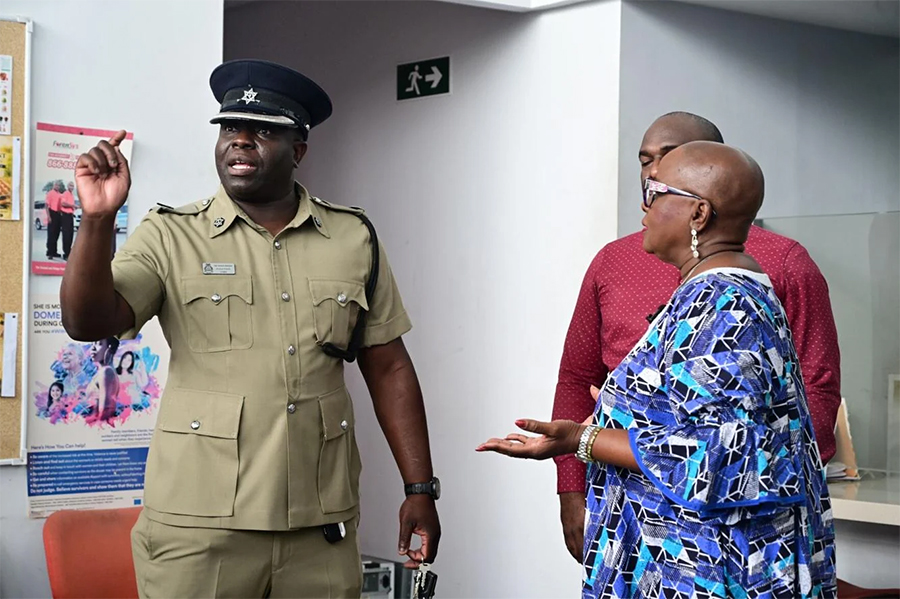
But there is a difference between constructive representation and political grandstanding. Her decision to turn up at the police station to challenge the operation raises a question about priorities. Was that the most useful way to represent her constituents? Rather than creating a confrontation at the station, she could have focused on ensuring residents understood the restrictions, permits were accessible and genuine difficulties were brought to the authorities for resolution. The priority should have been residents’ safety, not an opportunity to embarrass the Government.
Her question about why Maloney was singled out when violence has occurred elsewhere deserves consideration. The police must explain the selection and ensure their actions are proportionate. However, violence in other communities does not make intervention in Maloney unjustified. Police action should be guided by the intelligence and threat confronting each community, not by a requirement to impose identical restrictions everywhere.
Then there are complaints about nurses and transportation. These concerns deserve attention, but the actual hours matter. Nursing shifts generally begin around 6–7 a.m. and 6–7 p.m., while the curfew runs from 9 p.m. until 5 a.m. The normal starting times for both shifts therefore fall outside the restricted period. Some journeys may still be difficult, particularly for staff finishing overnight shifts or responding to emergencies. The authorities must facilitate essential workers. But it is misleading to suggest that nurses generally cannot get to work without acknowledging the hours in which the curfew operates.
The Government must communicate clearly. Residents should know how to obtain permits and how emergencies will be handled. A necessary security operation must be properly administered, proportionate and subject to scrutiny. Supporting the police does not mean giving them unlimited authority or excusing mistakes.
What troubles me is the eagerness to turn Government action into partisan advantage. If the Government does nothing, it is accused of failing the population. If it acts, the inconvenience becomes the headline. Meanwhile, Maloney residents must live with the fear and disruption caused by gang violence.
Let us not lose sight of the real issue. The enemy is not the curfew. It is the criminal violence that made extraordinary intervention necessary. Residents deserve to sleep without gunfire, raise their children without fear and move about their community without being terrorised.
Can we, for once, put political mileage aside? The question should not be whether the PNM or the UNC benefits. It should be whether Maloney is safer because action was taken. If the intervention is necessary, lawful and proportionate, the authorities should be allowed to do their job while remaining accountable.
Public safety must never become a casualty of political ambition in Trinidad and Tobago.
