





By FRANCIS JOSEPH
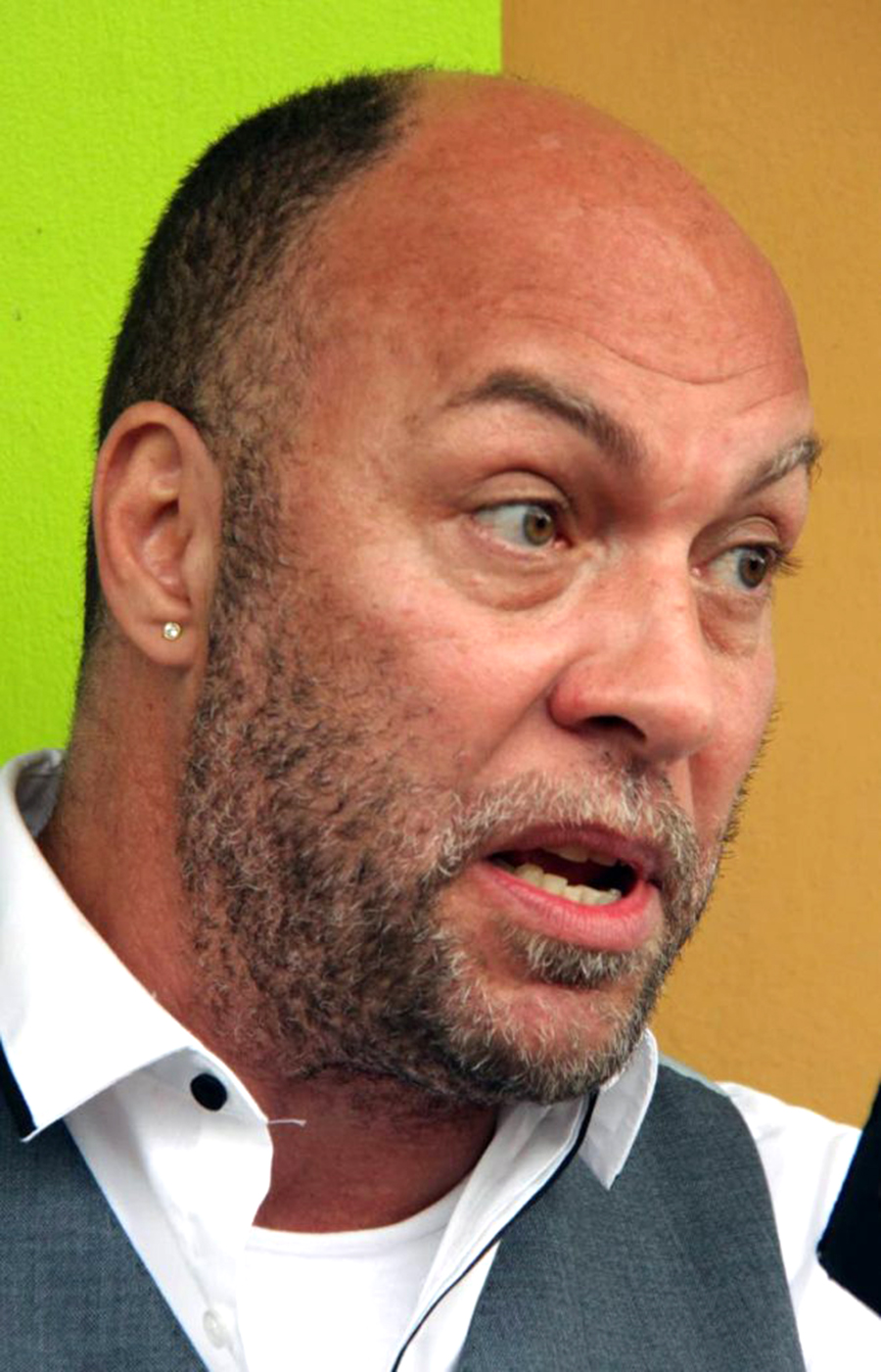
Gay activist Jason Jones scored a major victory in the Privy Council on Tuesday. The five British judges struck down Sections 13 and 16 of the Sexual Offences Act 1986.
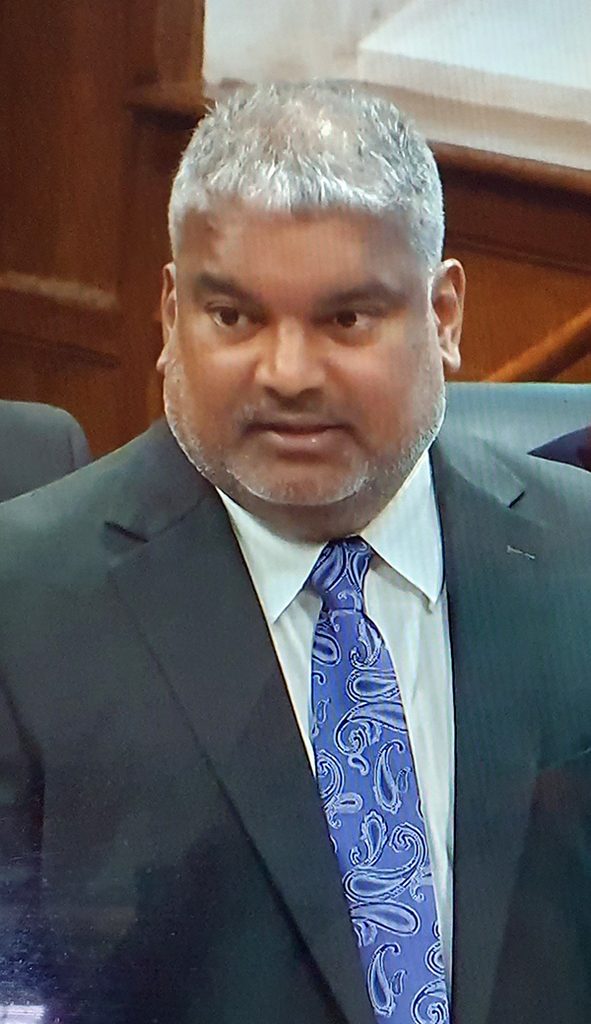
Jones’ lawyer Anand Ramlogan SC was elated with the victory.
Ramlogan welcomed the Privy Council’s decision Jones’s constitutional appeal as a landmark victory “for gay rights, equal dignity and respect for private and family life in Trinidad and Tobago. Gay rights form part of the wider struggle for human rights. Every person is entitled to the protection of the Constitution, regardless of their sexual orientation.”
Ramlogan said the Privy Council didn’t just overturn the Court of Appeal and reinstate the judgment of trial judge, Justice Devindra Rampersad, it also dismissed the Attorney General’s cross-appeal which sought to protect the buggery law on the ground that it was passed with a special parliamentary majority.

In a unanimous judgment, all five judges found that sections 13 and 16 of the Sexual Offences Act 1986 must be interpreted consistently with the Constitution so that they do not criminalize private, consensual sexual relations between adults of the same sex.
The judgment recognizes the human reality at the heart of the case. The Privy Council stated: “The ability to form a deep connection with another person through an intimate and loving relationship is a vital interest for all human beings.”
It expressly recognized that a loving relationship between two men engages the constitutional protection of family life. For LGBTQ+ people who have lived with stigma, fear and the threat of criminal punishment, that recognition has profound personal significance.
Ramlogan added, “We congratulate Jason Jones on his courage and perseverance. His evidence described harassment, violence and fear of arrest. His determination has secured a decision that affirms the constitutional protection of an intimate and fundamental part of human life.”
THE CASE
The central focus of the appeal concerned the rights of gay men in Trinidad and Tobago. The underlying question is whether sections 13 and 16 of the Sexual Offences Act 1986 are unconstitutional because they infringe the right to private and family life protected by sections 4 and 5 of the Constitution of the Republic of Trinidad and Tobago Act 1976.
In general terms, sections 13 and 16 criminalize private, consensual sexual relations between same-sex couples. More specifically, section 13 criminalizes “buggery” defined to mean “sexual intercourse per anum by a male person with a male person or by a male person with a female person”; and section 16 criminalizes “serious indecency” except where committed in private between a male person and a female person over the age of 16 both of whom consent to the commission of the act.
Jason Jones, is a citizen of Trinidad and Tobago, born on the 5th of September 1964 and raised in Port of Spain. He has been openly gay since the age of 16. After experiencing harassment and discrimination by reason of his sexual orientation, he relocated to England in 1996.
Jones returned to reside in Trinidad from 2010 to 2014 before relocating again to England. Between 1996 and 2010 and since 2015, Jones has regularly visited his home country. In an affidavit, dated 23 February 2017, filed for the purposes of the proceedings in the High Court, Jones described some of the details of his experience of being gay in Trinidad and Tobago.
The Attorney General for Trinidad and Tobago put forward no evidence so the affidavit was unchallenged. Jones was harassed and verbally abused on an almost daily basis while out in public; and he had to avoid taking public transport out of fear for his safety. His performances as a singer led to him on several occasions being attacked with rocks, glass bottles and pieces of wood.
The police failed to protect him. He was constantly anxious and afraid that he would be arrested, questioned, charged and brought before the courts and severely punished because of his sexual orientation.
THE DECISIONS
On the 23rd of February 2017, Jones filed a claim in the High Court of Trinidad and Tobago pursuant to section 14 of the Constitution, seeking declarations that sections 13 and 16 of the Sexual Offences Act 1986 infringed his fundamental rights guaranteed by sections 4 and 5 of the Constitution.
On the 12th of April 2018, Justice Devindra Rampersad delivered his judgment.
Having charted the history of the offence of buggery and its religious origins, the judge held that sections 13 and 16 were not saved as existing law under section 6 of the Constitution; that they breached a number of Jones’ fundamental rights and freedoms, especially his right to respect for his private and family life; and that sections 13 and 16 were not “reasonably justifiable” under the proviso set out in section 13 of the Constitution.
The Court of Appeal by a majority (Justice Nolan Bereaux and Charmaine Pemberton,with Vasheist Kokaram dissenting) allowed the Attorney General’s appeal as regards the application of section 6(1) of the Constitution but upheld Justice Rampersad conclusion that the requirement of reasonable justification in section 13 was not met. The leading judgment for the majority was given by Justice Bereaux, with whom, in a concurring judgment, Justice Pemberton agreed.
In a 33-page judgment, the British judges allowed Jones’ appeal. They concluded that Sections 13 and 16 infringed Jones’ fundamental rights “and must be interpreted subject to the Constitution so as to make it clear that they do not apply to criminalize private, consensual sexual relations between adults of the same sex.” The Board agreed with Justice Rampersad.
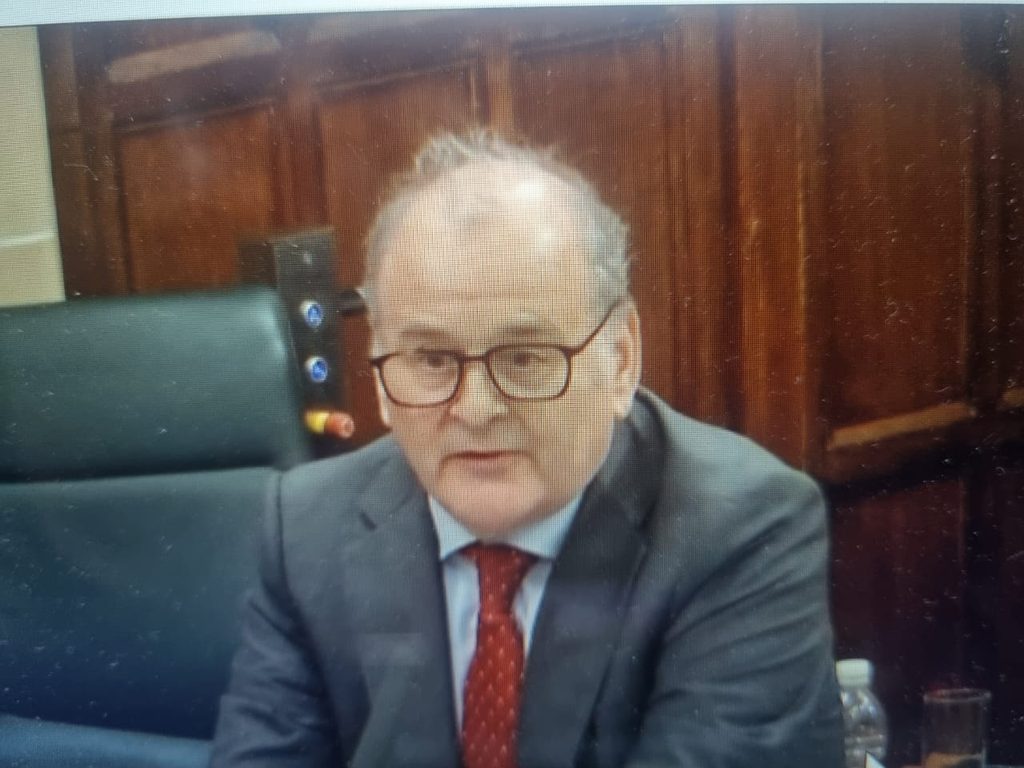
The Privy Council comprised Lord Reed, Lord Sales, Lord Briggs, Lord Burrows, and Lady Rose. Peter Knox KC represented the Attorney General.
