





A 7-POINT PLAN TO SAVE THE SCRAP IRON INDUSTRY
By Dr Jack Warner
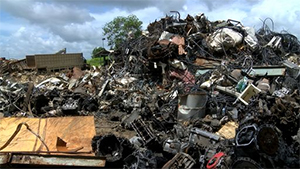
The Government’s consideration of banning the scrap iron industry presents Prime Minister Kamla Persad-Bissessar with a dilemma. While the theft of public infrastructure, telecommunications cables and privately owned metals demands decisive intervention, eliminating the industry does not eliminate the waste it processes. What happens to discarded refrigerators, abandoned vehicles, damaged machinery, obsolete industrial equipment and thousands of tonnes of metal generated through legitimate commercial and domestic activities?
Scrap metal will continue to accumulate regardless of whether the industry exists or not. An outright ban could therefore transform a criminal and regulatory problem into an environmental and economic crisis. The challenge facing the Prime Minister is not simply how to suppress the illegal scrap metal trade but how to preserve the legitimate economic and environmental benefits of recycling while making stolen metals commercially difficult to dispose of.

Allan Ferguson
Trinidad and Tobago has already experimented with restricting scrap metal exports. The temporary export prohibition introduced in 2022 demonstrated the Government’s willingness to intervene. However, temporary prohibitions cannot substitute for a sustainable national waste management and regulatory framework.
The Government should consider seven complementary measures:
First, establish designated metal recovery centres. Through the Solid Waste Management Company Limited (SWMCOL), the State could establish regional collection and processing facilities, operated directly or through competitively selected private contractors. Citizens and businesses would have authorised locations to dispose of unwanted metal, reducing illegal dumping and pressure on landfills.
The State need not assume the entire financial burden. Revenue generated from legitimate metal sales could help offset operational expenditure.
Second, introduce a mandatory digital traceability system. Every commercial scrap metal transaction should generate an electronic record identifying the seller, purchaser, material description, weight, declared origin and payment details. Photographic evidence should accompany transactions involving designated high-risk materials.
Police, Customs and regulatory authorities should have appropriate access to these records. Dealers unable to establish the legitimate origin of suspicious materials should be prohibited from purchasing them.
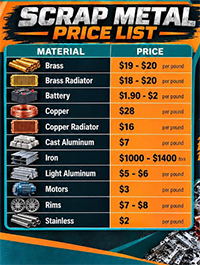
Third, prohibit cash transactions for commercial scrap metal purchases. Payments should be made through traceable electronic transfers or other regulated payment mechanisms. Anonymous transactions facilitate the disposal of stolen property. Removing anonymity would strengthen accountability and provide investigators with valuable financial evidence.
Accessible payment arrangements must nevertheless be available for legitimate small-scale collectors who lack conventional banking facilities.
Fourth, introduce restricted categories of scrap metal. Telecommunications cables, electricity transmission equipment, water infrastructure, manhole covers, railway components and other identifiable public assets should only be accepted from verified owners or authorised contractors.
Possession of such materials without satisfactory documentation should trigger investigation. Utility companies should maintain accessible identification records to assist enforcement officers and licensed dealers.

Fifth, strengthen licensing and enforcement. Scrap metal dealers should satisfy stringent requirements concerning security, surveillance, recordkeeping, environmental protection and ownership transparency. Licences should be subject to periodic renewal, unannounced inspections and suspension or revocation following established violations.
The Government must also target exporters and intermediaries who knowingly facilitate the trade in stolen metals. Arresting individuals who steal cables while allowing the commercial networks purchasing them to operate is an inadequate crime-prevention strategy.
Sixth, explore domestic metal recycling and manufacturing. Trinidad and Tobago possesses an industrial tradition, technical expertise and infrastructure that could support greater domestic processing of recyclable metals.
The Government should commission a feasibility study examining metal sorting, shredding, baling, foundry operations and the potential for manufacturing selected construction and industrial products. Rather than exporting all recoverable material, the country could retain greater economic value through local processing where commercially viable.
Such an initiative could contribute to economic diversification, employment creation and the development of a circular economy. However, investment decisions must be supported by realistic assessments of energy costs, available feedstock, environmental requirements and market demand.
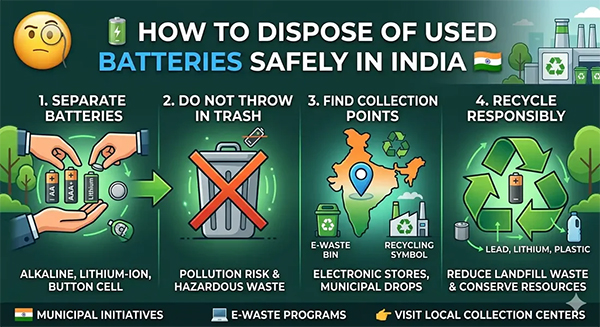
Seventh, establish a national metal waste collection programme. Municipal Corporations should coordinate periodic collections of bulky metal waste, abandoned appliances and unwanted vehicles. Manufacturers, importers and distributors could also participate in take-back programmes, accepting responsibility for products reaching the end of their useful lives.
This would reduce indiscriminate dumping, environmental degradation and the accumulation of waste in communities.
The Prime Minister must recognise that scrap metal possesses economic value even when its original purpose has expired. Destroying the legitimate market does not destroy that value. It may instead encourage underground trading, criminal profiteering and illegal exports.
The Government should therefore pursue a policy that distinguishes legitimate recycling from criminal acquisition, protects public infrastructure and preserves employment.
A regulated industry supported by technology, effective enforcement and responsible waste management offers a more sustainable solution than permanent prohibition.
The objective must be to make stolen metal commercially worthless while ensuring that legitimately discarded metal remains economically valuable.
Trinidad and Tobago does not need to abolish recycling to defeat metal theft. It needs to abolish the conditions that make metal theft profitable.
