





By Dr Jack Warner
Trinidad and Tobago has developed an expensive, deeply troubling habit: letting valuable public buildings, infrastructure, and equipment deteriorate until rehabilitation becomes a financial emergency. Successive governments have treated routine maintenance as an expense to postpone, only to discover that neglect eventually produces bills far greater than prevention. Taxpayers, not the officials responsible for these decisions, bear the consequences, repeatedly financing the restoration of assets their money originally purchased.
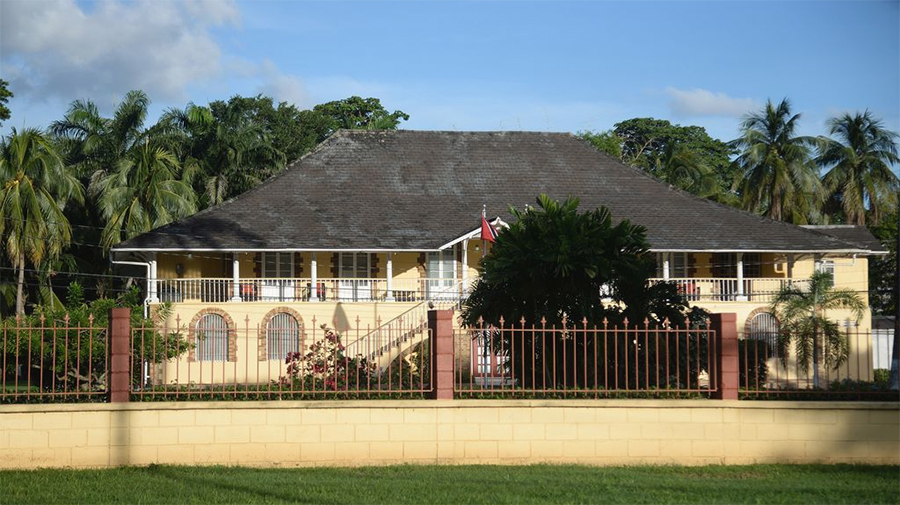
The proposed $6 million refurbishment of the Commissioner of Police’s official residence at St James Barracks offers a disturbing illustration of this longstanding failure in public asset management.
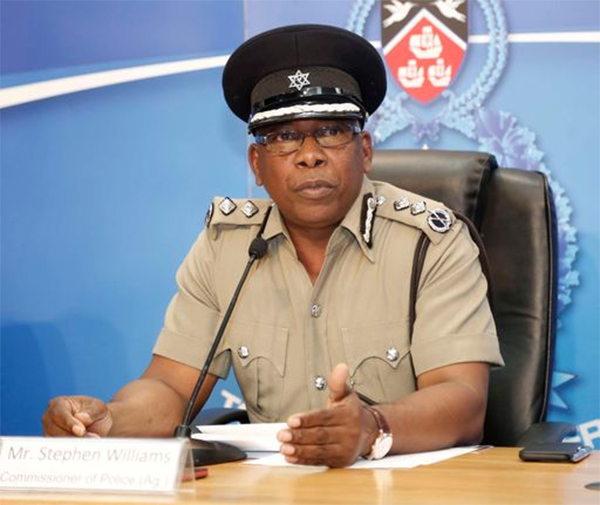
During Parliament’s examination of the 2027 Budget, Homeland Security Minister Roger Alexander disclosed that the residence had become uninhabitable, with mould-infested walls, deteriorating facilities and a neglected swimming pool. Former Police Commissioner Gary Griffith later explained that the property, reportedly more than 150 years old, had remained largely unused for about two decades under successive commissioners. Former Commissioner Stephen Williams recalled an earlier rehabilitation estimate exceeding $10 million.

These disclosures raise a far more consequential question than whether the current allocation is excessive: how was a valuable government property allowed to deteriorate for so long without an effective maintenance programme?
The answer lies in a public administration culture that often rewards new construction while neglecting preservation.
Governments find political advantage in commissioning buildings, opening facilities and announcing ambitious infrastructure programmes. Maintenance, by contrast, rarely attracts headlines. Repairing a roof, servicing electrical systems, replacing damaged plumbing or treating water infiltration produces few ceremonial opportunities.
Yet these unglamorous activities determine whether public investments retain their value.
When maintenance is deferred, minor defects become major structural problems. Water penetration damages ceilings and electrical installations. Unrepaired plumbing contributes to deterioration. Neglected mechanical systems become expensive replacements. Buildings that could have remained functional through scheduled upkeep eventually require extensive rehabilitation.
The financial implications extend beyond one official residence.
Across Trinidad and Tobago, deteriorating schools, public buildings, health facilities, roads, and government properties have repeatedly prompted calls for emergency repairs and rehabilitation. Each instance raises questions about inspection schedules, maintenance budgets, managerial accountability and whether early warnings were acted upon.

It would be irresponsible to suggest that every infrastructure failure results from neglect. Ageing assets, environmental exposure, design deficiencies and extraordinary events also contribute, but these realities make preventive maintenance more important, not less.
The real economic damage occurs when government postpones manageable expenditure today and transfers a substantially larger obligation to tomorrow’s taxpayers.
There is also an opportunity cost that receives insufficient attention.
Every additional dollar required to restore an unnecessarily deteriorated asset is a dollar unavailable for other public priorities. Resources consumed by avoidable rehabilitation could otherwise support classrooms, medical equipment, police technology, community infrastructure or essential social services.
In a country facing fiscal deficits, constrained revenue, and competing development demands, such inefficiency is not a minor administrative weakness.
It is a serious fiscal management problem.
The Police Commissioner’s residence illustrates another failure: the absence of clear responsibility for preserving government property across successive administrations. Ministers change, permanent secretaries are reassigned, departmental heads retire, and maintenance obligations become trapped between institutions.

Eventually, a new administration discovers the deterioration, announces a major rehabilitation programme, and presents the expenditure as unavoidable.
The public is then asked to pay again, frequently without learning who failed to maintain the asset or why earlier interventions were not undertaken.
This cycle must end.
Trinidad and Tobago needs a mandatory national public asset management framework. Every ministry and state agency should maintain an updated register of its buildings, infrastructure, and major equipment, including their condition, maintenance requirements, estimated replacement costs, and responsible officers.
Annual budgets should provide protected allocations for preventive maintenance, supported by documented inspection schedules and independently reviewed expenditure.
More importantly, Parliament should require ministries to disclose the accumulated maintenance backlog and identify assets at risk of serious deterioration. These reports should become part of the annual budgetary examination, allowing citizens to distinguish unavoidable capital expenditure from the consequences of deferred upkeep.
Accountability must extend beyond approving repair funding. Where documented maintenance failures stem from negligence, persistent non-compliance, or disregard for professional recommendations, appropriate administrative consequences should follow.
The Government should also assess whether rehabilitation remains economically justified before committing substantial public funds. Not every deteriorated building should automatically be restored; some may be more efficiently repurposed, replaced or disposed of through transparent procedures.
The $6 million proposed for the Police Commissioner’s residence may ultimately be justified. But its condition should warn of the financial consequences of letting public assets deteriorate.
A government that builds but fails to maintain is not investing responsibly in national development. It is creating tomorrow’s liabilities with today’s taxpayers’ money. Trinidad and Tobago must stop paying repeatedly for assets it already owns simply because successive administrations failed to protect them.
