


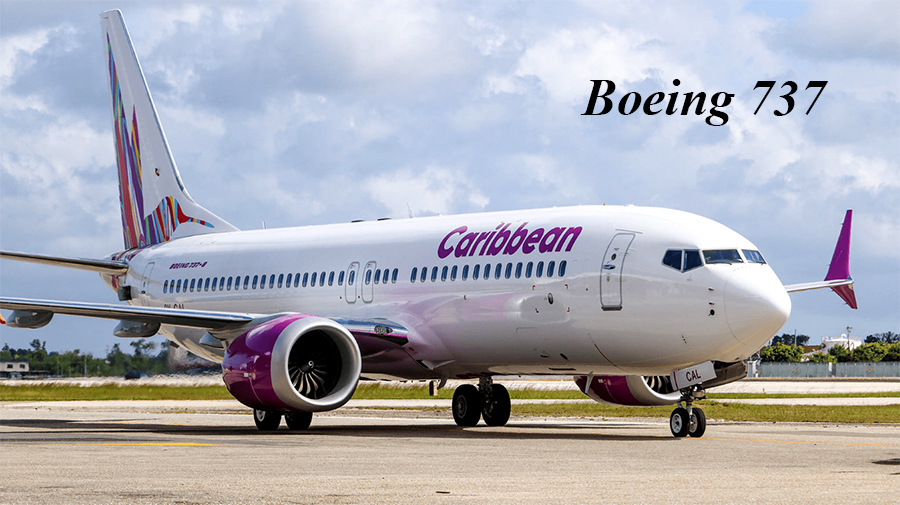



Caribbean Airlines (CAL) reportedly showed an increase in performance during the first quarter of 2026. However, the layperson must understand that the first quarter coincides with the Carnival season, traditionally a period of increased travel and passenger demand. Is this improvement evidence of a sustainable turnaround, or is it simply the seasonal boost that Carnival provides?
While CAL restructures its operations and cancels flights to destinations reportedly generating negative returns, the airline continues to face serious challenges, including high jet-fuel costs, outstanding salaries owed to pilots, and the substantial cost of operating its fleet. It has been estimated that refuelling a Boeing 737 can cost approximately US$24,000, depending on fuel requirements and prevailing prices.
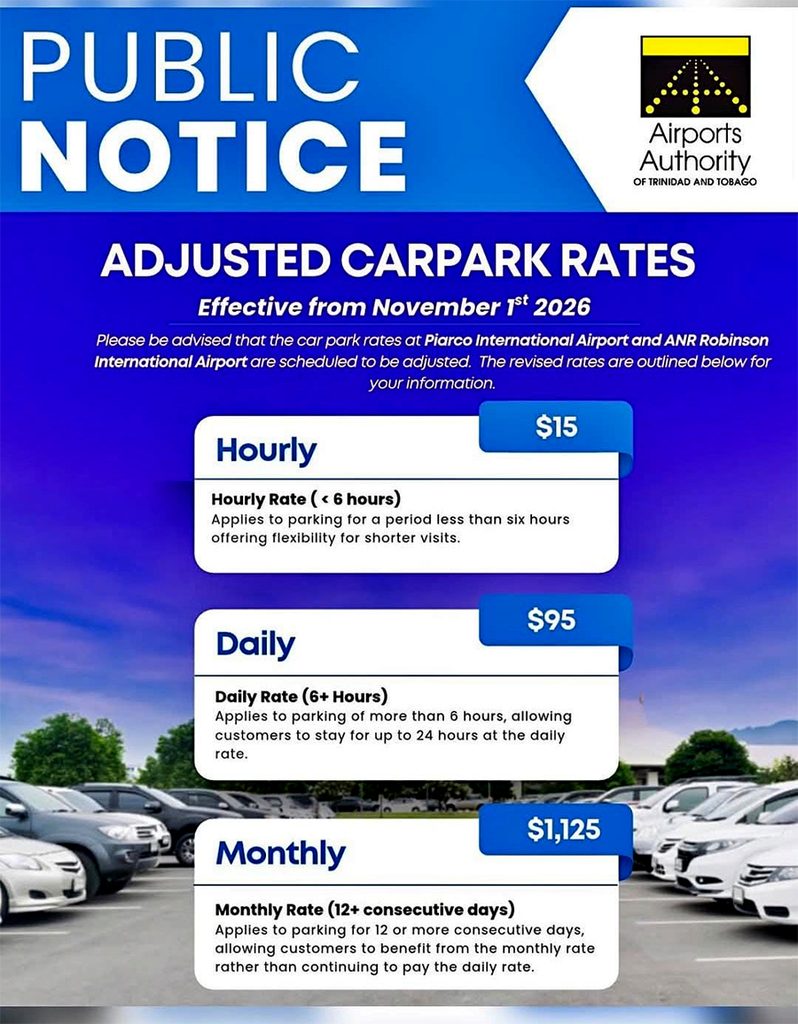
Now comes another blow to the travelling public: a reported 50% increase in airport parking charges. This could have implications beyond the airport itself. Many Trinidadians travelling to Tobago for Carnival may ordinarily leave their vehicles at Piarco Airport while they travel. Will the increased parking costs encourage them to reconsider that convenience, or even their travel plans?
CAL must be judged on more than a promising Carnival quarter. The real test is whether it can maintain profitability throughout the year, control operating expenses, meet its obligations to employees, and provide reliable service without continually placing additional financial burdens on the travelling public.
The question is simple: Is CAL on the road to a genuine recovery, or are we celebrating a seasonal increase while the underlying problems remain unresolved?
The public deserves transparency on CAL’s financial performance, its outstanding obligations, the profitability of its routes, and the long-term strategy for keeping our national airline financially sustainable.
CAL’s weak management structure raises serious doubts about its ability to achieve a profit in 2026. A good first quarter, coinciding with Carnival, does not necessarily signal a sustainable recovery. Restructuring routes and cancelling unprofitable flights may reduce losses, but what is the long-term strategy for increasing revenue, controlling costs, settling outstanding pilot salaries and improving operational efficiency?
A national airline cannot survive on seasonal passenger demand alone. CAL needs strong leadership, sound financial management and clear accountability. The public deserves to know whether the airline is genuinely moving towards profitability or whether taxpayers will once again be expected to shoulder the burden of its financial difficulties.
My question is simple: Where is the management strategy that will take CAL from survival to sustainability?
Gordon Laughlin,
Westmoorings
