


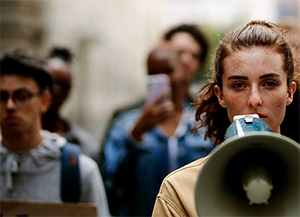



Meeting new people, enjoying good conversations and exchanging opinions are part of everyday life. Yet, increasingly, one has to think carefully about what one says, how one says it and, perhaps most importantly, to whom one says it.
What has changed in Trinidad and Tobago?
Have we reached a stage where people feel uncomfortable expressing their honest opinions for fear of being misunderstood, misrepresented or having their words repeated in the wrong quarters?
Our Constitution protects freedom of expression, but freedom on paper and freedom in practice are two different things.
A democracy cannot flourish when its citizens feel compelled to weigh every word before speaking. We must be able to question those in authority, criticise government policies and disagree with one another without being treated as enemies.
Freedom of speech does not give anyone the right to spread malicious falsehoods or destroy another person’s reputation. However, legitimate criticism and honest differences of opinion must never be confused with wrongdoing.
Trinidad and Tobago belongs to all of us, regardless of political affiliation, race, religion or social standing. No government, political party or individual should make citizens feel that speaking their minds is a risk they must carefully calculate.
The real test of freedom of speech is not whether we are allowed to speak, but whether we feel free to do so without fear.
If we can no longer enjoy an honest conversation without wondering who might repeat our words or what consequences might follow, then we must ask ourselves: Are we becoming a society that speaks freely, or one that has learned to remain silent?
That is a question every citizen should be asking.
Gordon Laughlin,
Westmoorings
