






The indicators are telling us that all is not well in Trinidad and Tobago. Families are under financial pressure, children are angry and frustrated, nutritious food is becoming harder to afford, parents are struggling to find employment, and many cannot afford extracurricular activities for their children.
Then we blame the children and the parents for the consequences.
But we must examine the root causes.
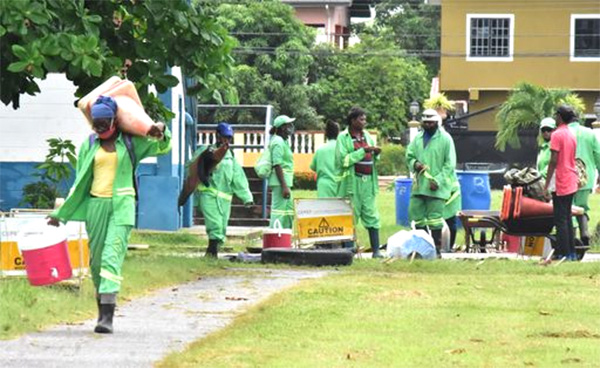
When CEPEP workers and others lose employment, money stops circulating. Construction slows, businesses suffer and families lose purchasing power. At the same time, taxes and utility costs were increased rapidly, placing even greater pressure on citizens already struggling to maintain their dignity.
Crime cannot be separated from these realities. An SOE has been maintained for a prolonged period, yet crime remains a major problem. Citizens are paying taxes to provide security, salaries and resources, but they are still not receiving the security they deserve.
We also need to rethink our approach to young people. Every school leaver who is unemployed should have the opportunity to undertake two years of national service, including training in discipline, skills and responsibility.

But discipline requires leadership by example. How can we demand discipline from our children when those in authority often provide little evidence of it themselves?
History gives us warnings. When ordinary people are continually squeezed to fill the coffers of those in power, eventually the pressure becomes too great. William Wallace and the Scottish struggle against oppressive taxation and rule remind us that people will only tolerate so much.
Government must understand this: you cannot continually squeeze the people and expect society to remain stable.
The children are not the root of the problem. They are increasingly becoming the evidence of it.
A concerned citizen
Gordon Laughlin
Westmoorings
