





Dear Editor,
There is a growing and uncomfortable conversation taking place in Trinidad and Tobago about the role of the media, and it can no longer be ignored or dismissed.
Journalism is supposed to stand above political warfare, not become an active participant in it. It is supposed to interrogate power, not align itself openly or subtly with one side of the political divide while relentlessly scrutinizing the other.
Yet many citizens are now openly questioning whether parts of the media landscape have drifted away from that principle.
The concern is not trivial. It goes to the heart of democracy.
When media coverage consistently mirrors the tone, priorities, and framing of a political opposition, people begin to ask hard questions about independence. When headlines appear structured to amplify criticism of the Government while giving far less visibility to competing facts, context, or achievements, the issue is no longer perception it becomes a public trust problem.
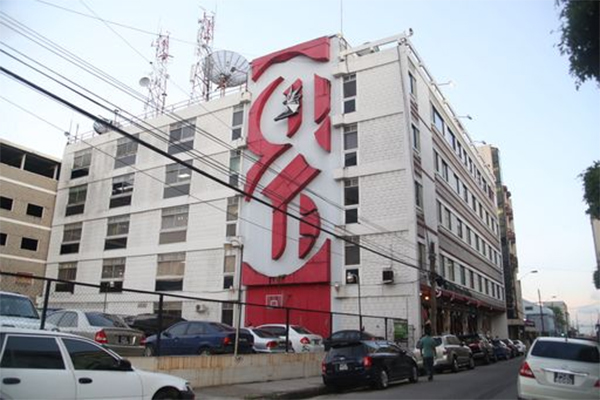
In that context, serious questions are being raised about Guardian Media’s editorial posture and whether its coverage has, intentionally or otherwise, become closely aligned with the messaging of the PNM Opposition.
Why does the framing of certain stories appear so consistently tilted toward political damage rather than balanced reporting? Why does coverage of Prime Minister Kamla Persad-Bissessar and the UNC Government so often emphasize controversy, conflict, or criticism while other dimensions of governance receive comparatively limited attention? Why does the tone of reporting in key political stories increasingly resemble opposition talking points rather than neutral journalism?
These questions are being asked repeatedly in public discourse, and they will not disappear simply because they are uncomfortable.
No media house is above scrutiny. None.
If journalists demand accountability from elected officials, then journalists must also accept accountability from the public they serve. That includes scrutiny of editorial decisions, story selection, framing, and emphasis.
The line between journalism and political messaging must remain absolute. Once that line begins to blur, trust collapses and without trust, journalism loses its authority entirely.
This is not about silencing criticism of government. Governments must be challenged, and power must never go unchecked. But challenge must be consistent.. It cannot be selective. It cannot appear calibrated to one political narrative while ignoring others.
When citizens begin to feel that media institutions are no longer neutral observers but active participants in political struggle, confidence in the entire democratic information system is weakened.
That is the danger Trinidad and Tobago is now facing.
Guardian Media, like all major media institutions, has a responsibility to demonstrate clearly through consistent practice that it is not operating as an extension of any political force. That responsibility is not met through statements. It is met through balance, fairness, and equal intensity of scrutiny applied to all political actors.
If that balance is absent, the public is not wrong to question what is driving editorial direction.
Democracy depends on informed citizens. Informed citizens depend on trustworthy media. Trustworthy media depends on independence not proximity to political narratives, and not alignment with political pressure from any direction..
This is the standard the public expects. Anything less is a failure of duty.
Curtis Obrady
Arima
